

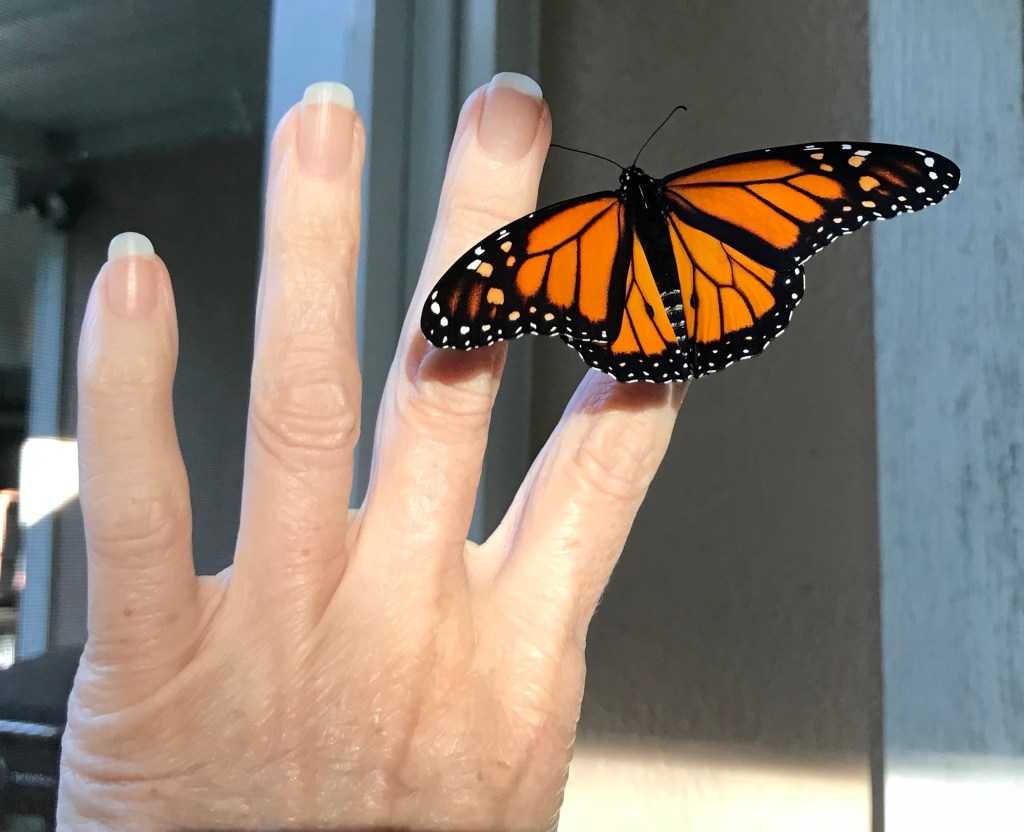
Danaus plexippus
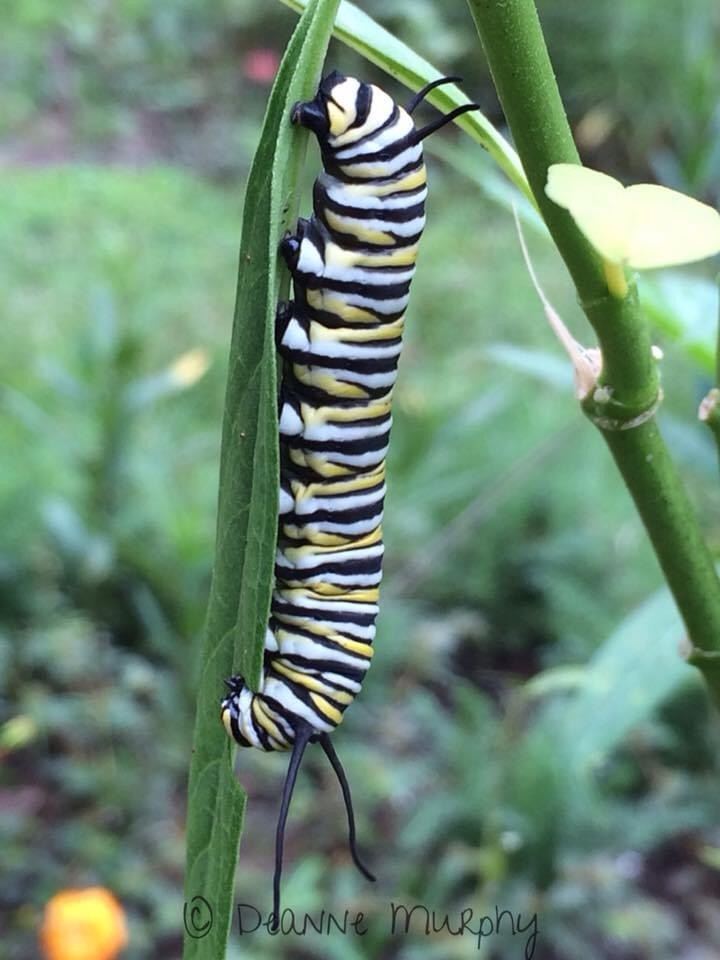
“The caterpillar does all the work, but the butterfly gets all the publicity.” –George Carlin
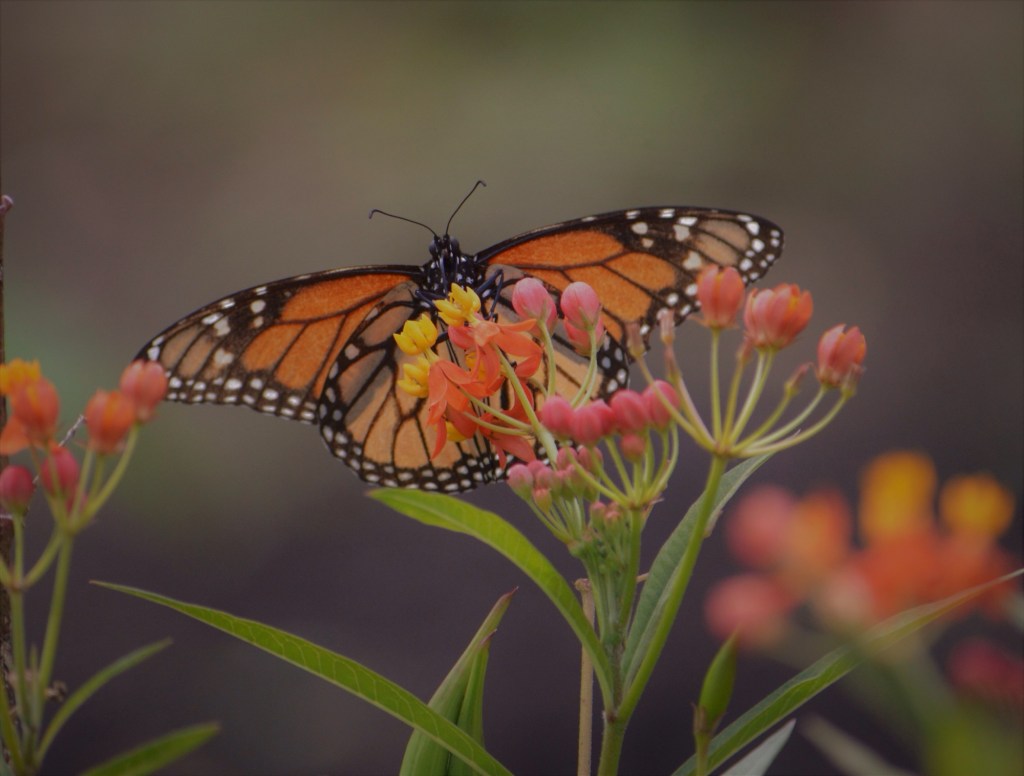
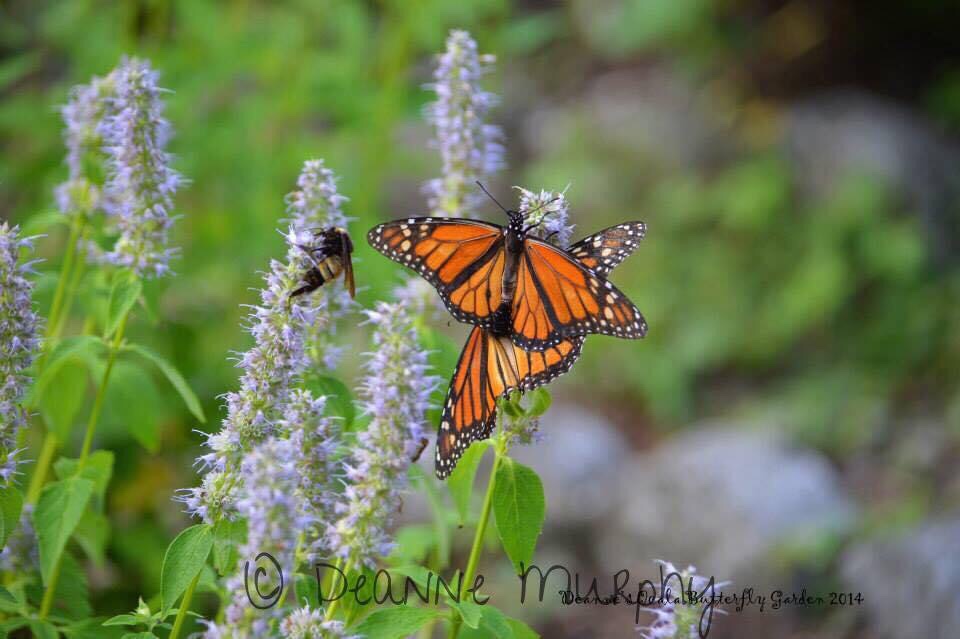
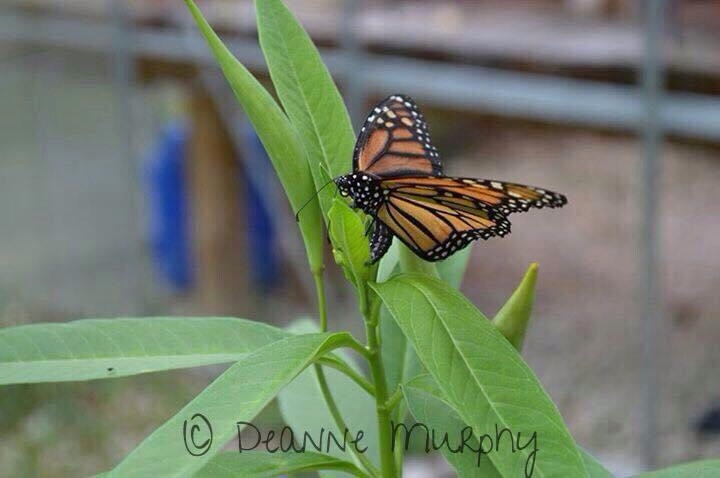
The monarch butterfly is one of the most familiar of North American butterflies. This amazing creature is famous for its annual migration pattern on both the East and West sides of the North American Rocky Mountains. Migration patterns have been studied for years and received much attention due to dwindling populations due to habitat loss from deforestation and logging, as well as agricultural practices and urban sprawl across its summer breeding grounds and overwintering locations. There have been many books and internet sites that delve into much more detail of the monarch. Listed at the bottom of this post are worthy internet sites to read more about them.
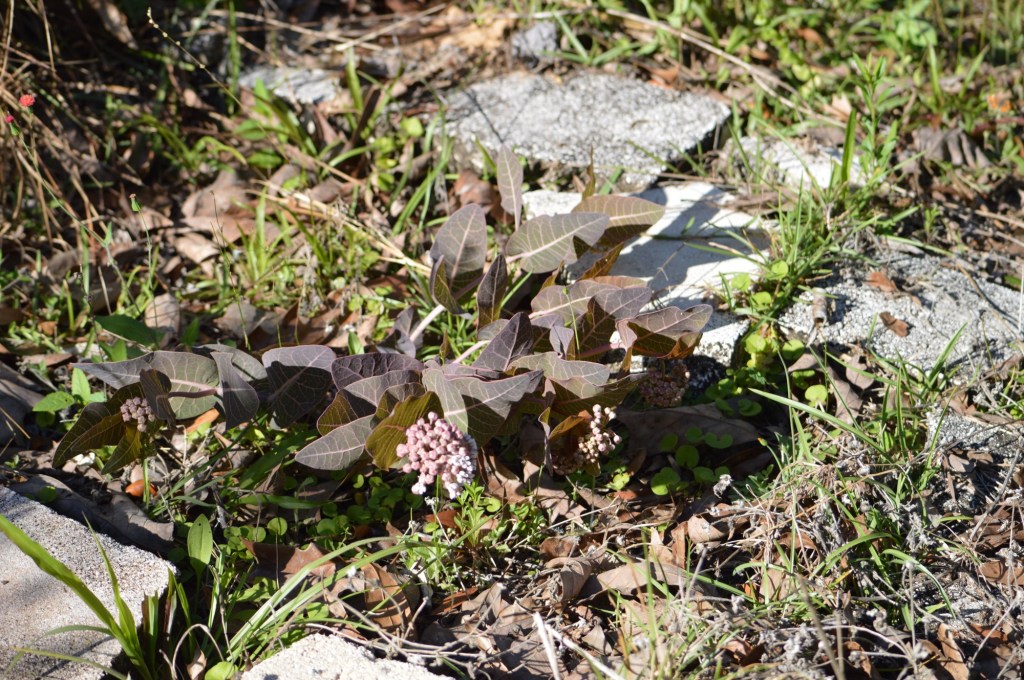
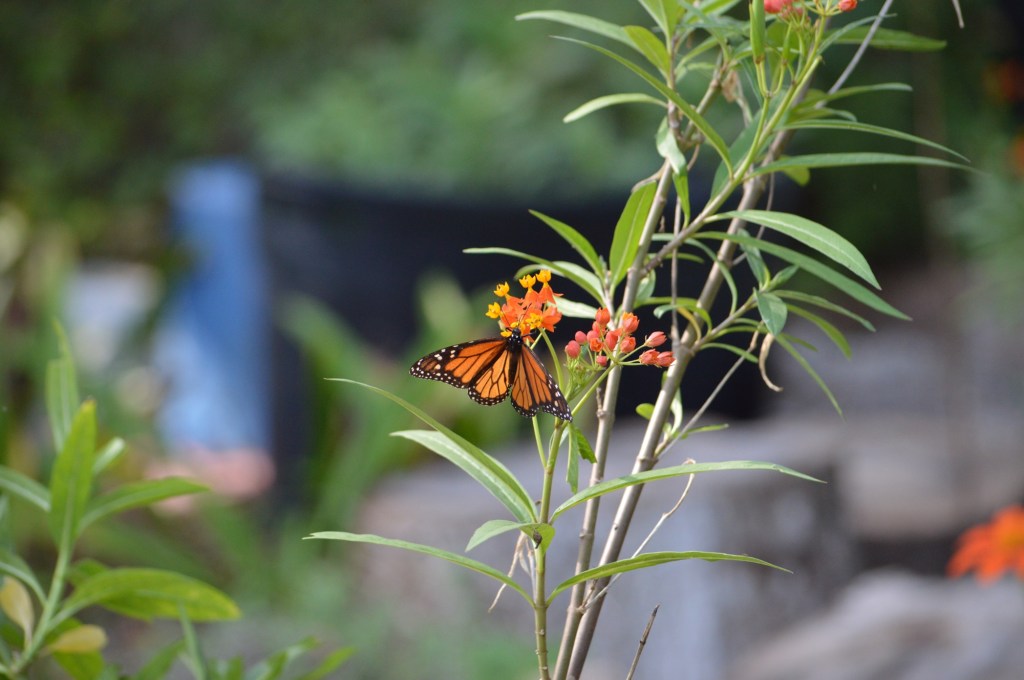
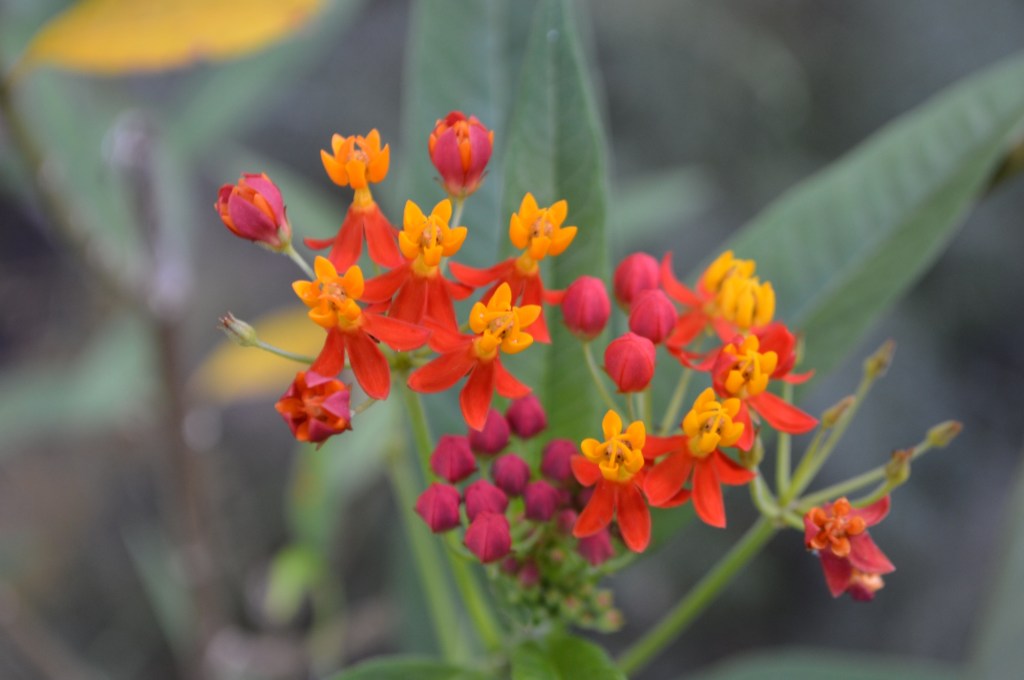
Monarch caterpillars require the host plant, Asclepius, which is a genus of herbaceous, perennial, flowering plants known as milkweed. There are many varieties of milkweed, depending on the region.
At the butterfly dunes habitat, here in Central Florida, Monarch butterflies live here most of the year. It’s possible that some migrate North in the spring and in the fall, the habitat receives some migrants flying south. Scientists suggest that many butterflies overwinter in Florida, and this has been observed at the Butterfly Dunes.
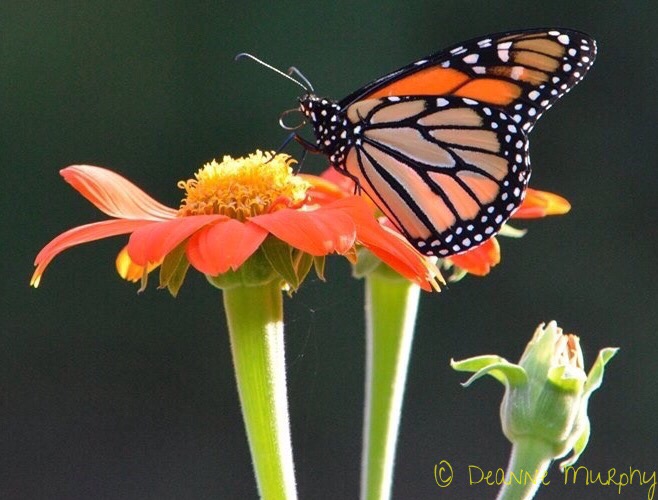
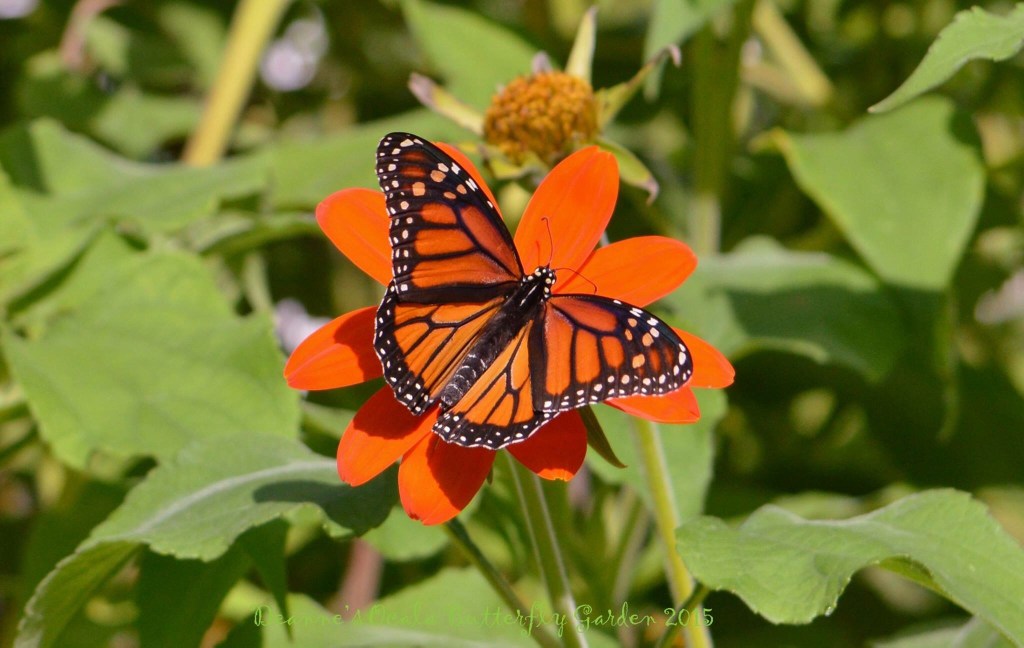
Monarch on Tithonia, also called Mexican Sunflower. This flower re-seeds itself continually through-out the growing season.
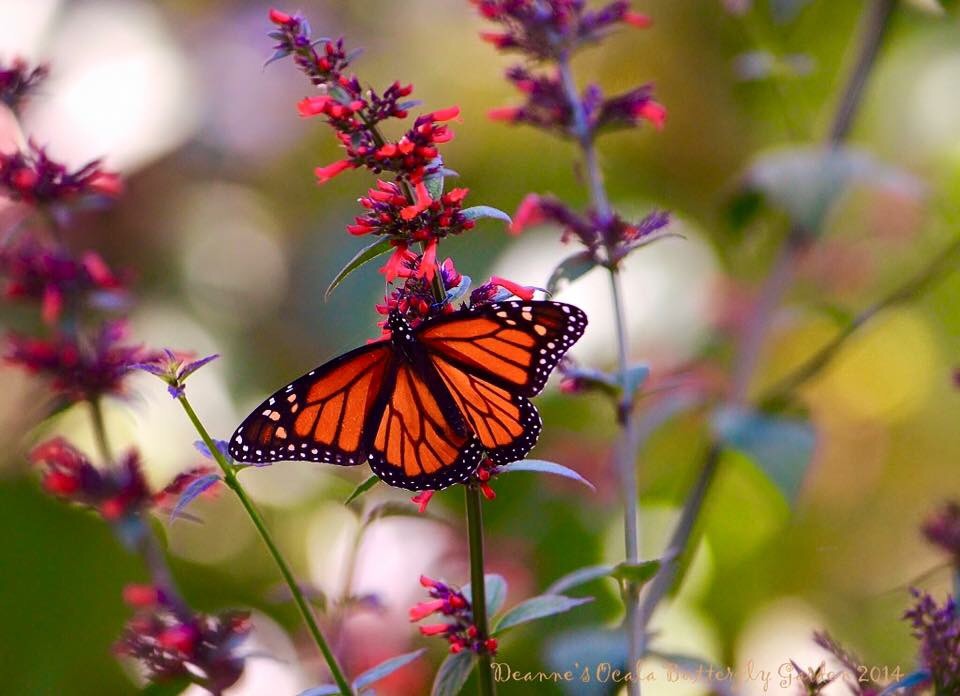
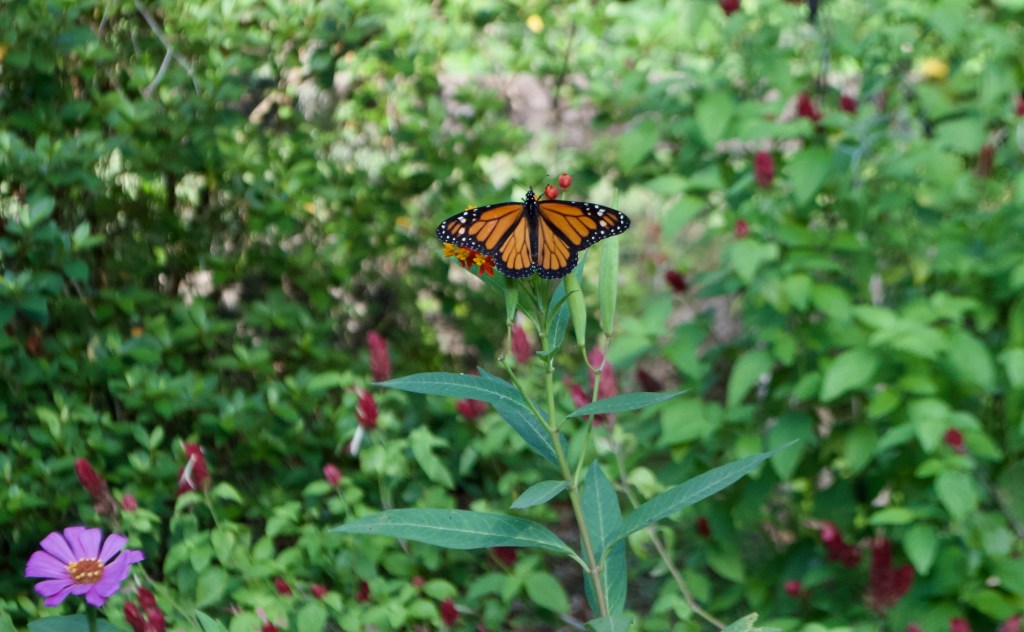
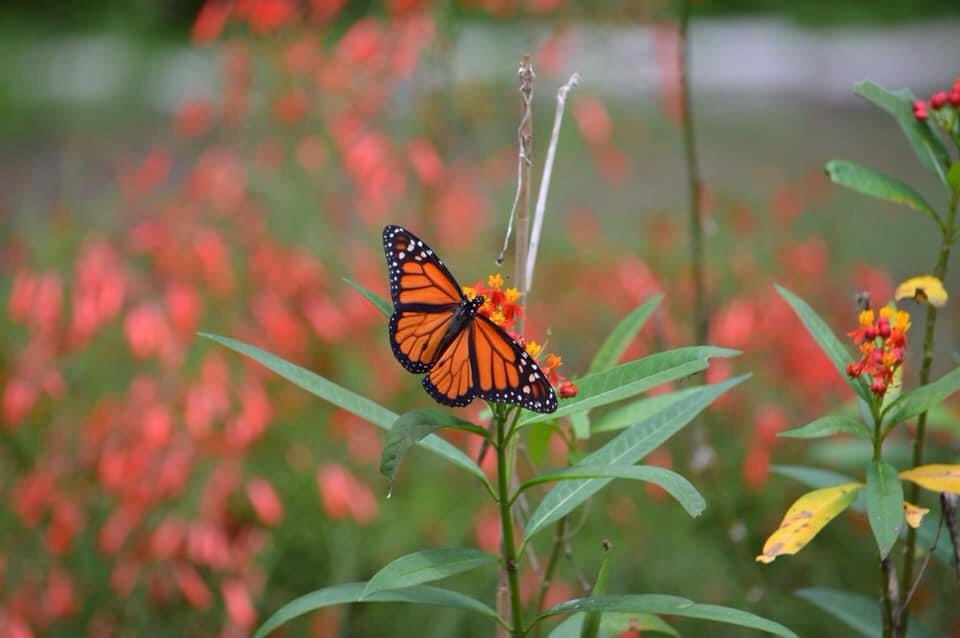
Monarch on Firecracker plant, Russelia sarmentosa.
Monarch larval host plants
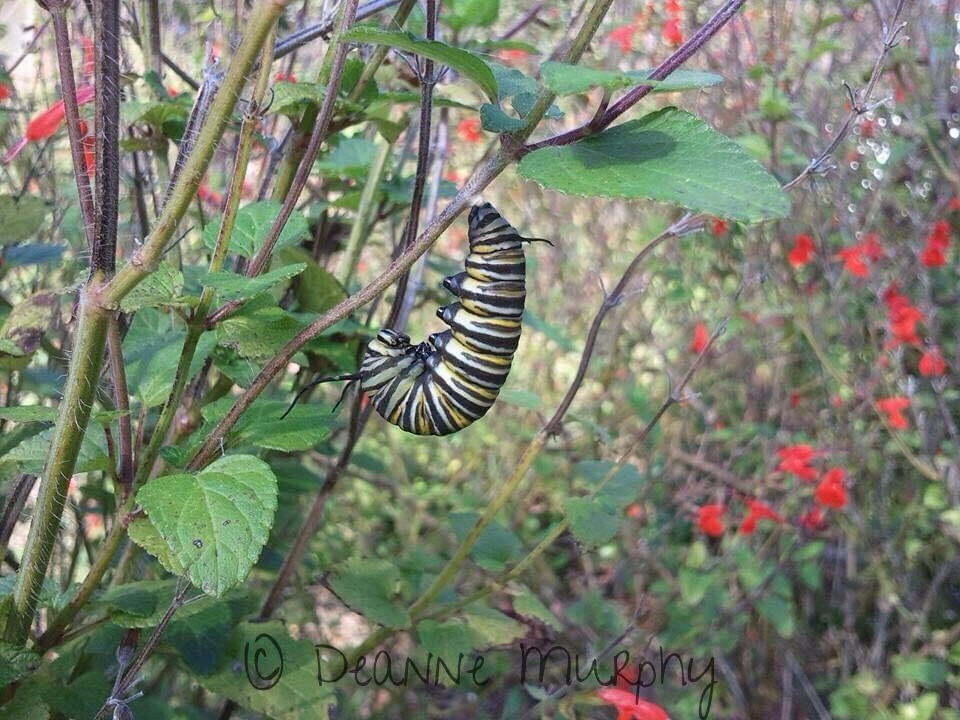
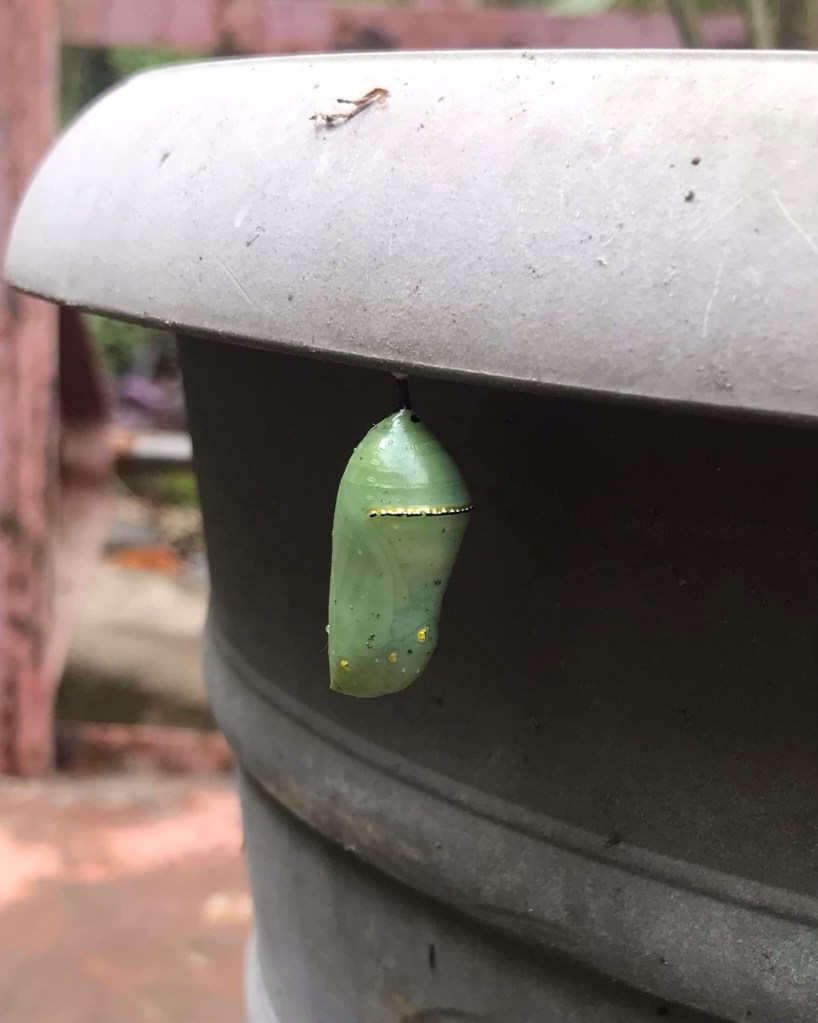
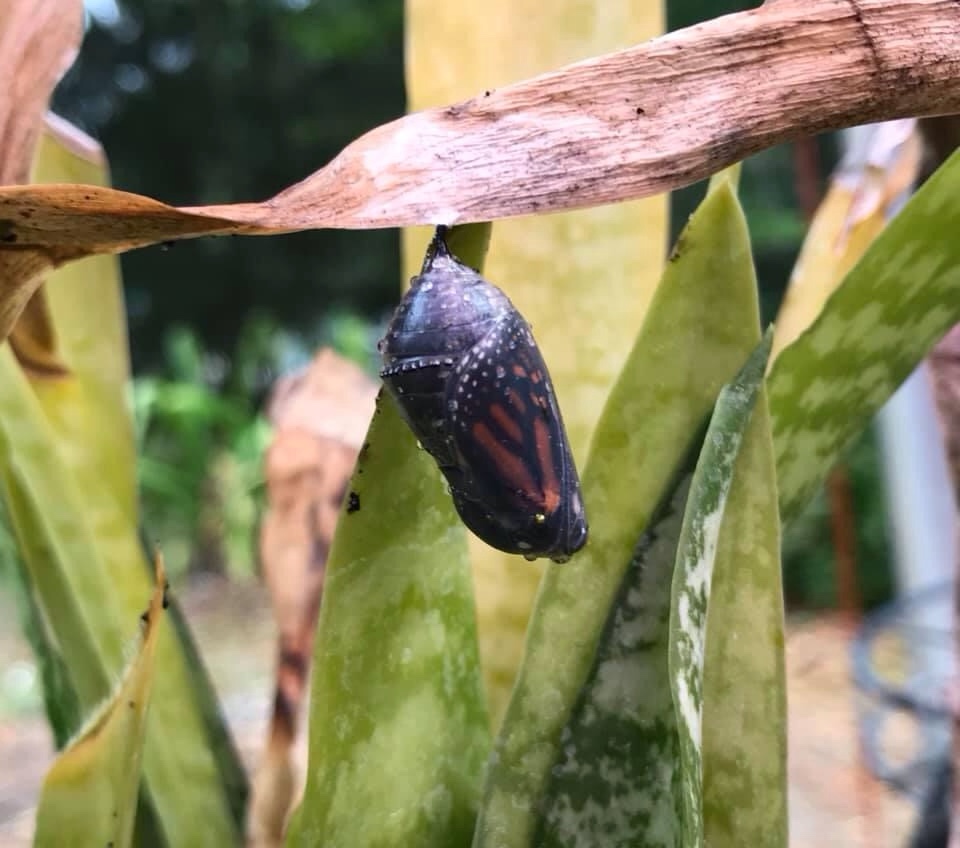
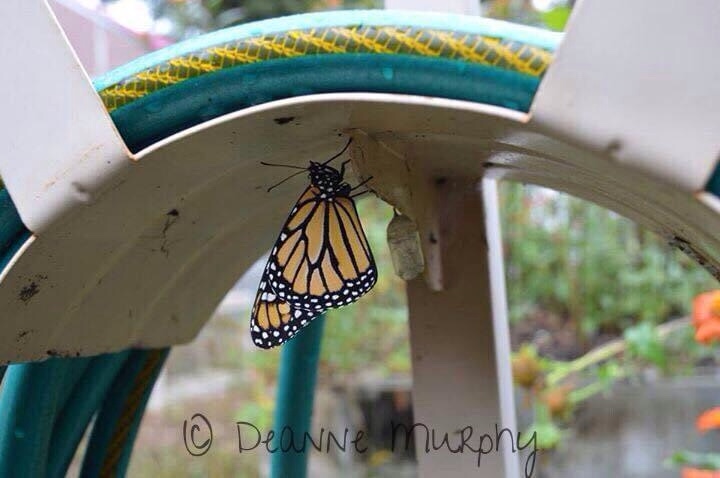
More Information on the Monarch Butterfly.
Monarch Watch, https://www.monarchwatch.org
Journey North, https://journeynorth.org
U.S. Fish and Wildlife Service, https://fws.gov/pollinators
 The Butterfly Dunes
Leave a comment