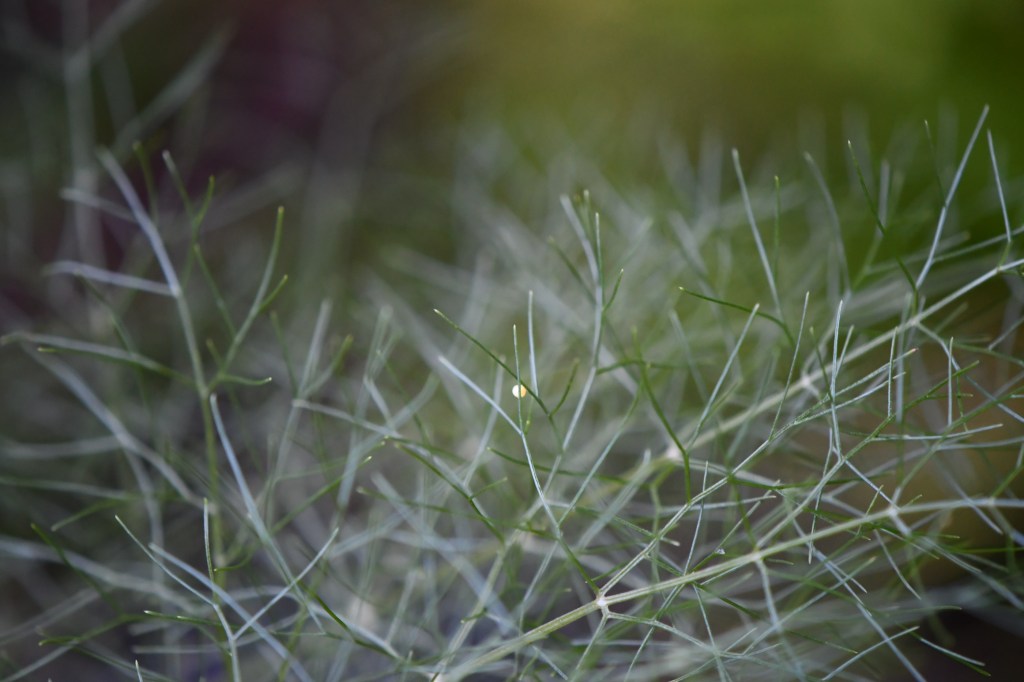
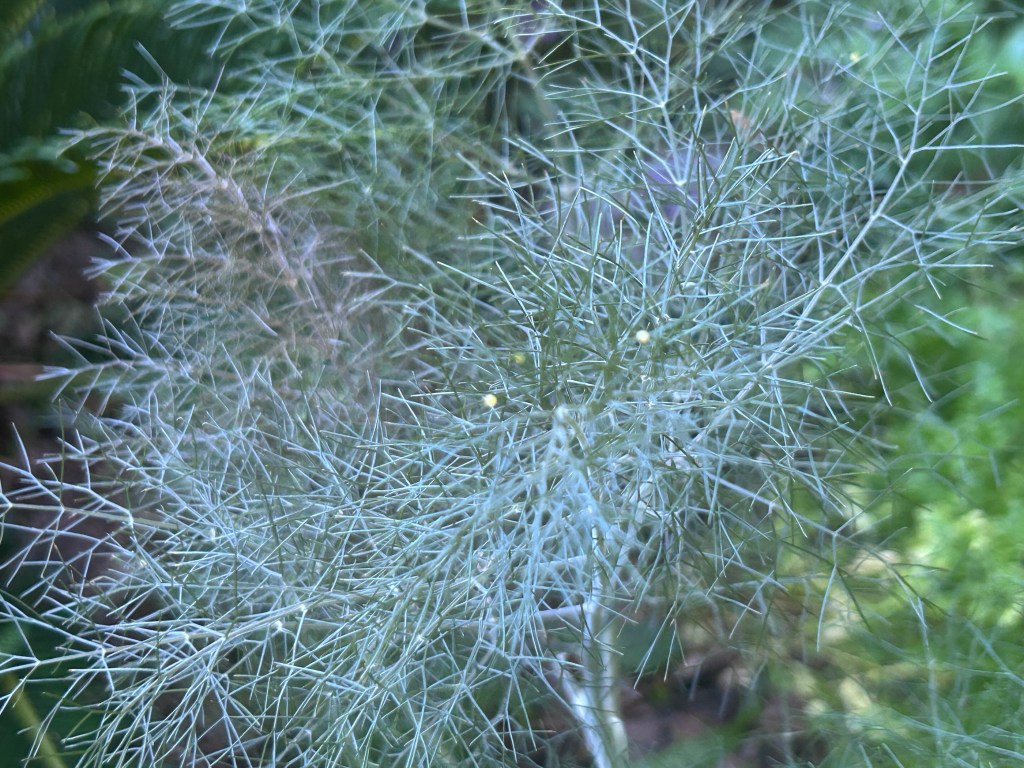
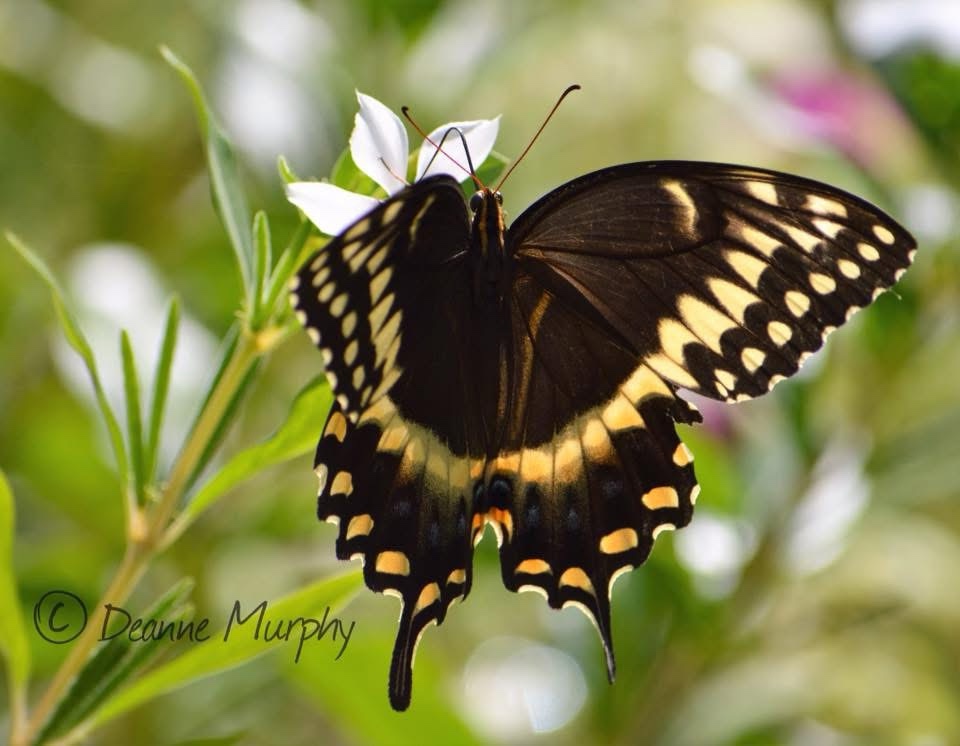
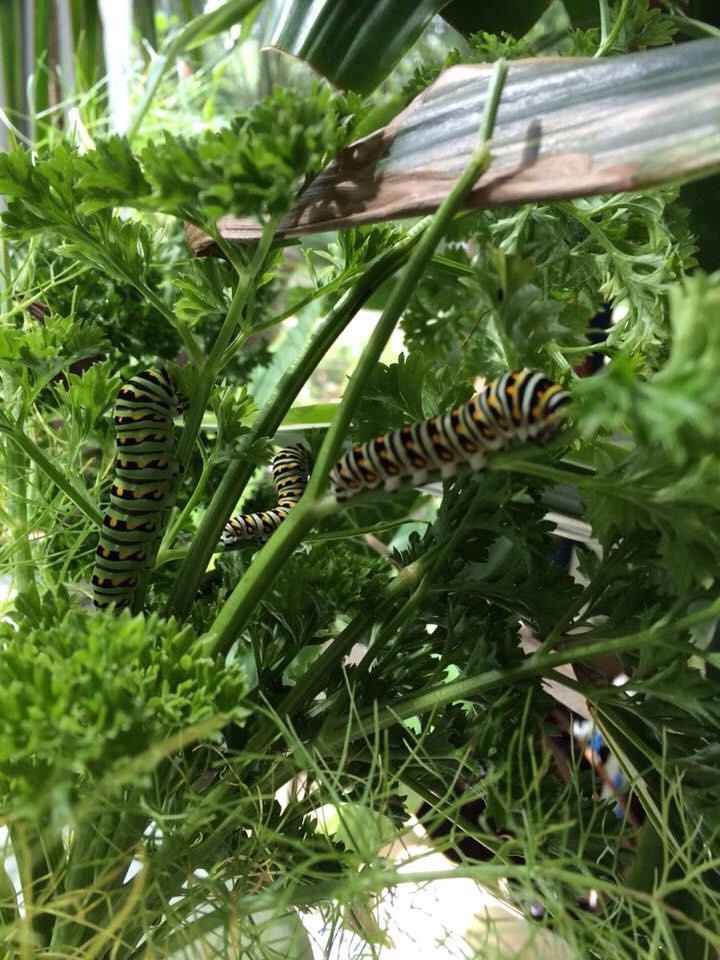
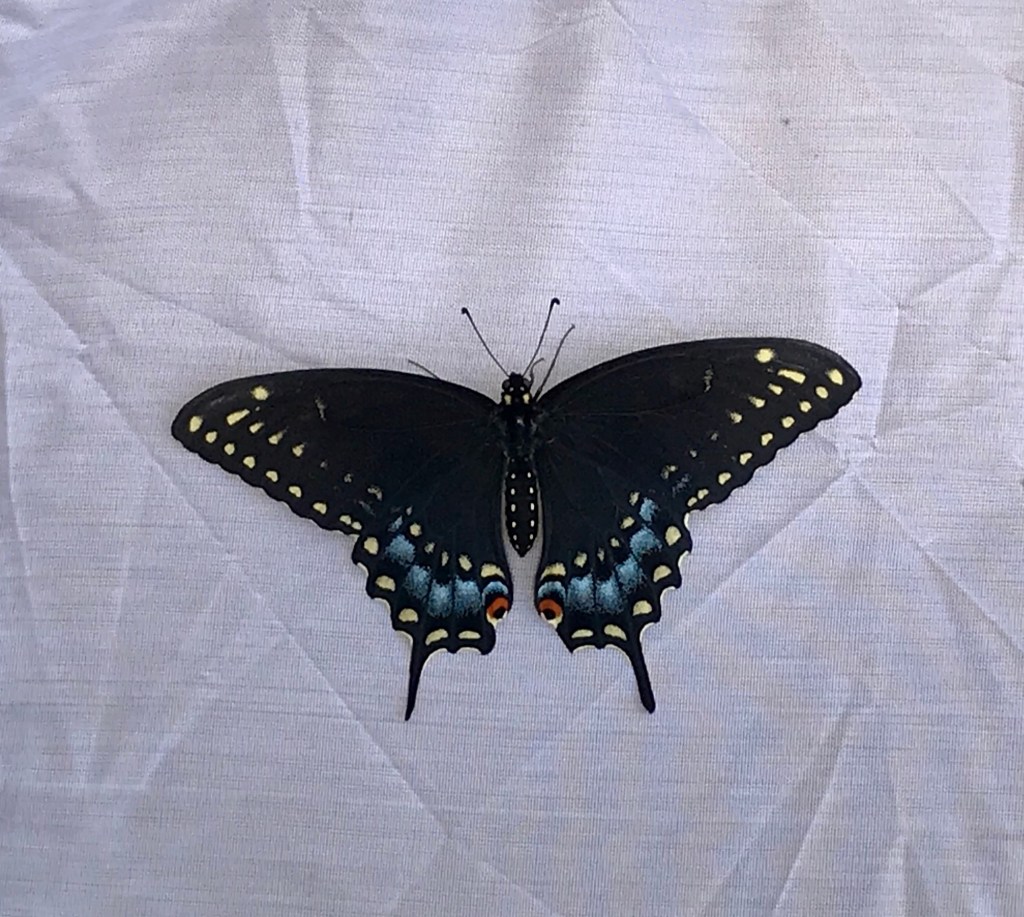
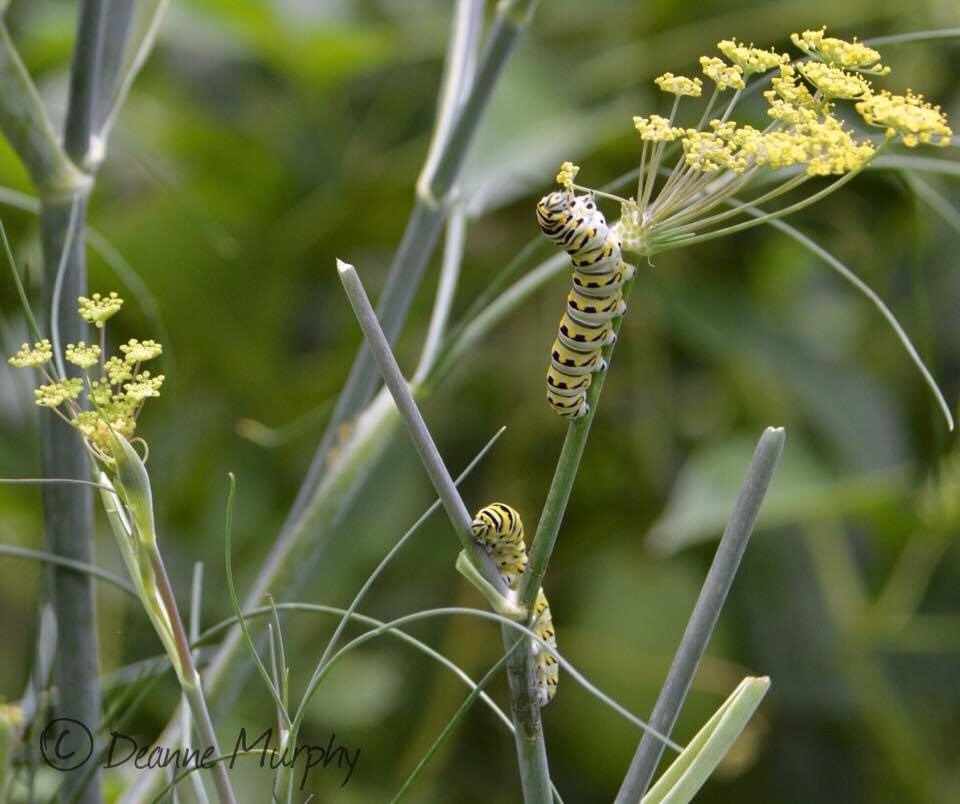
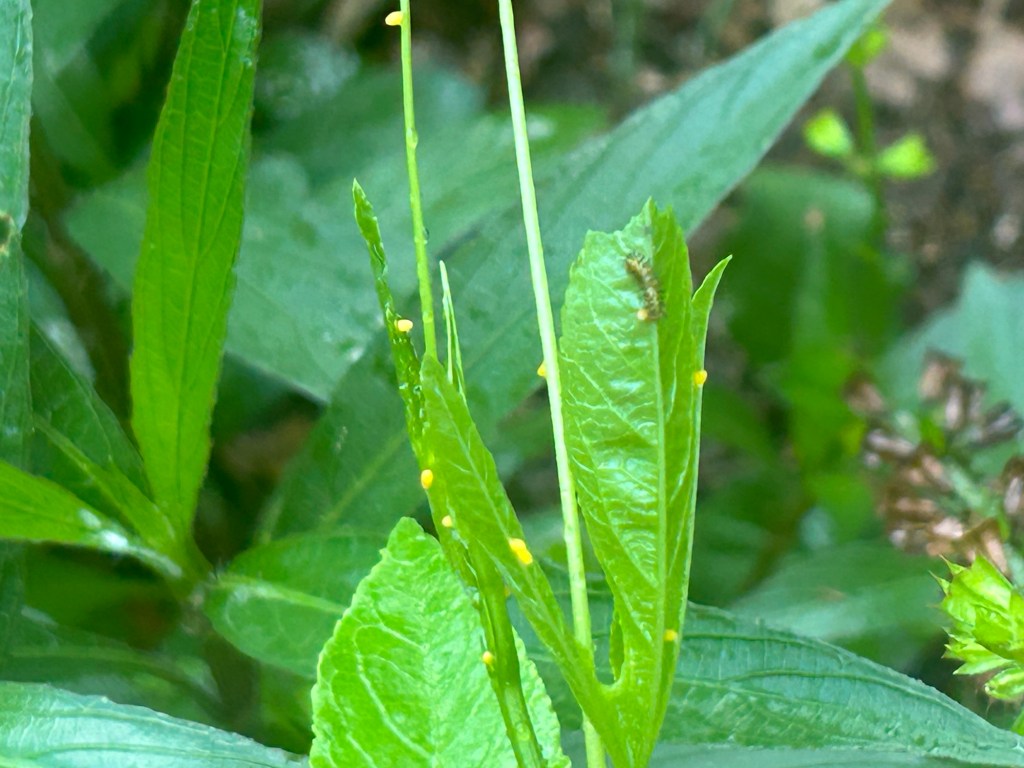
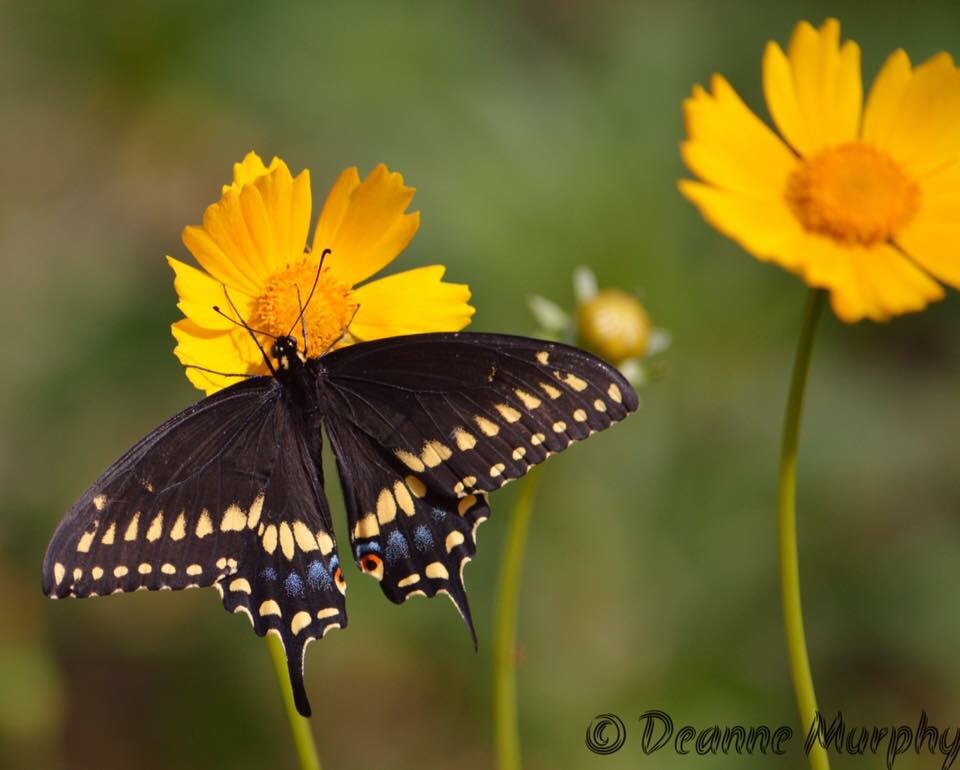
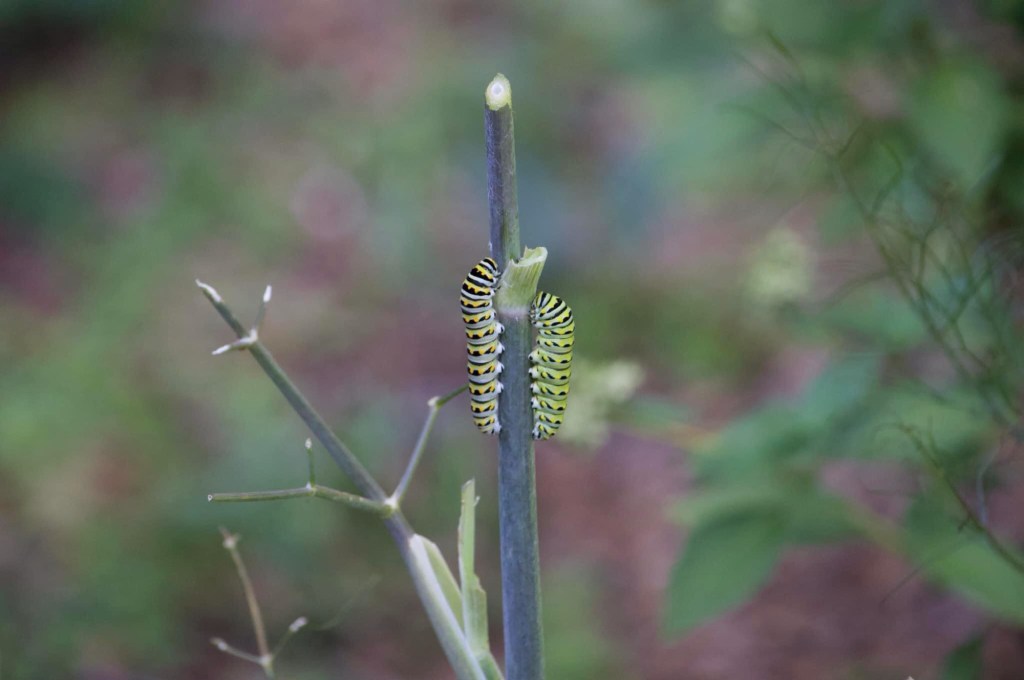
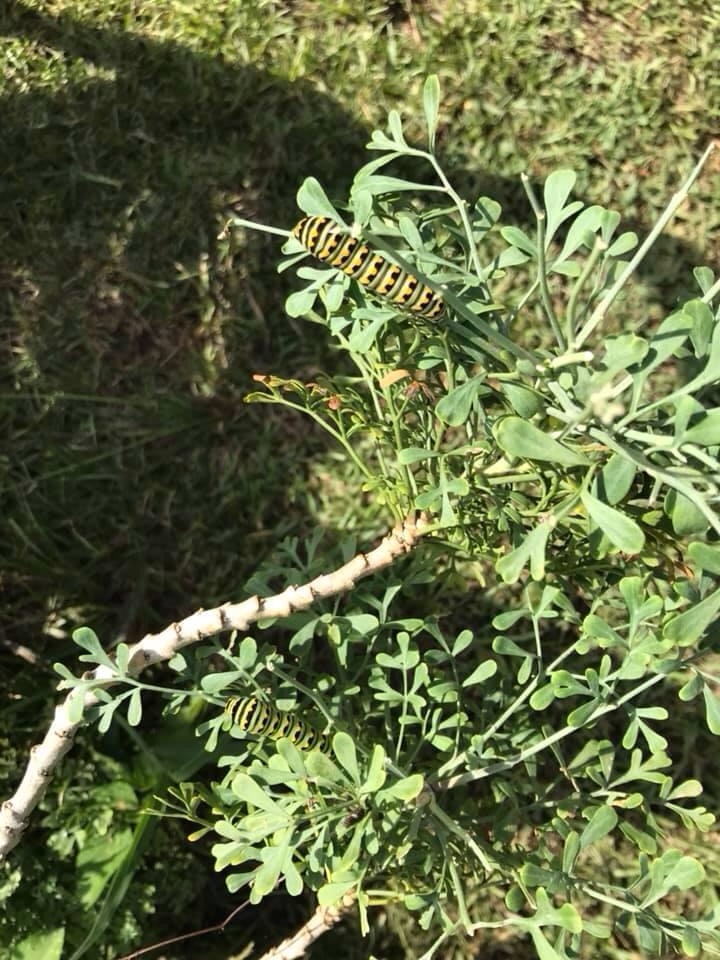
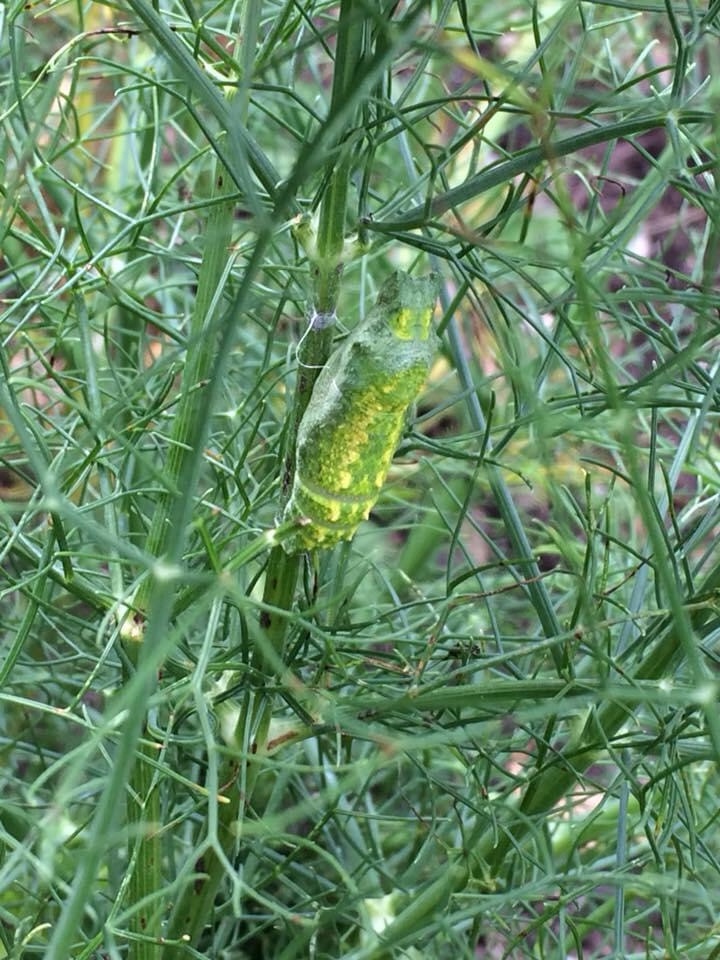
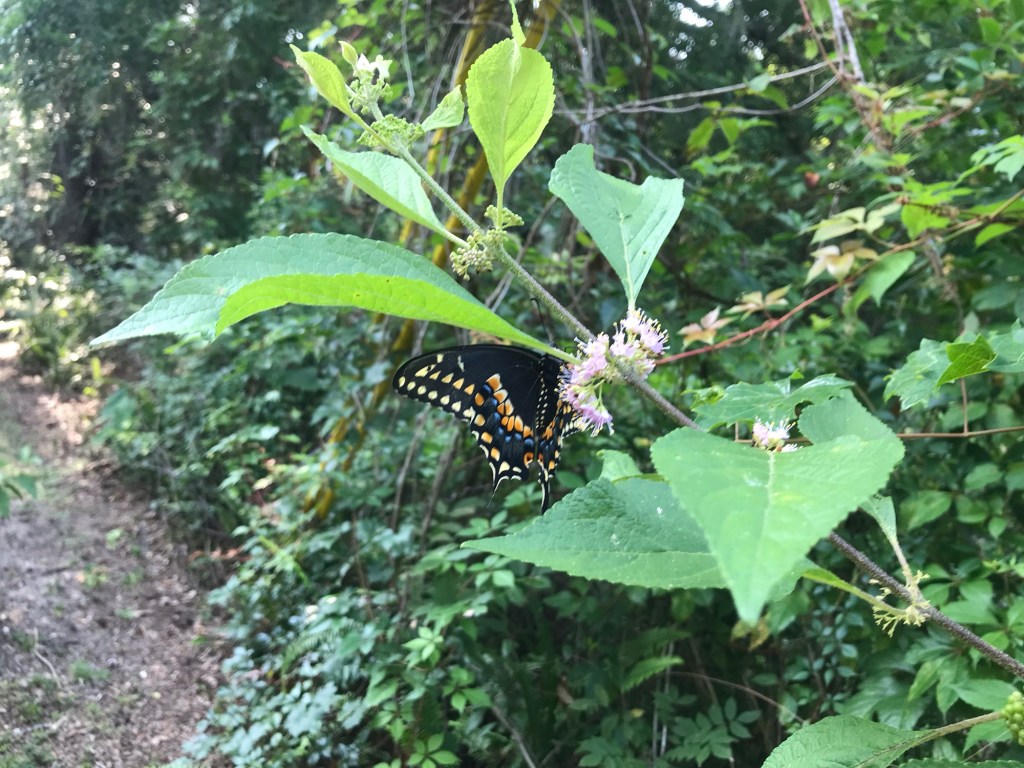
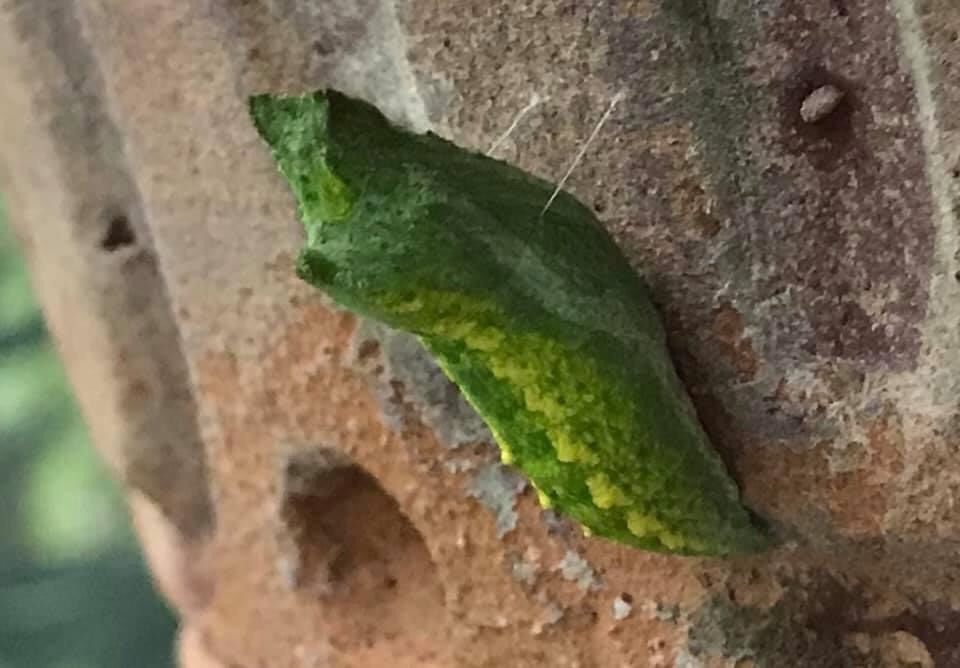
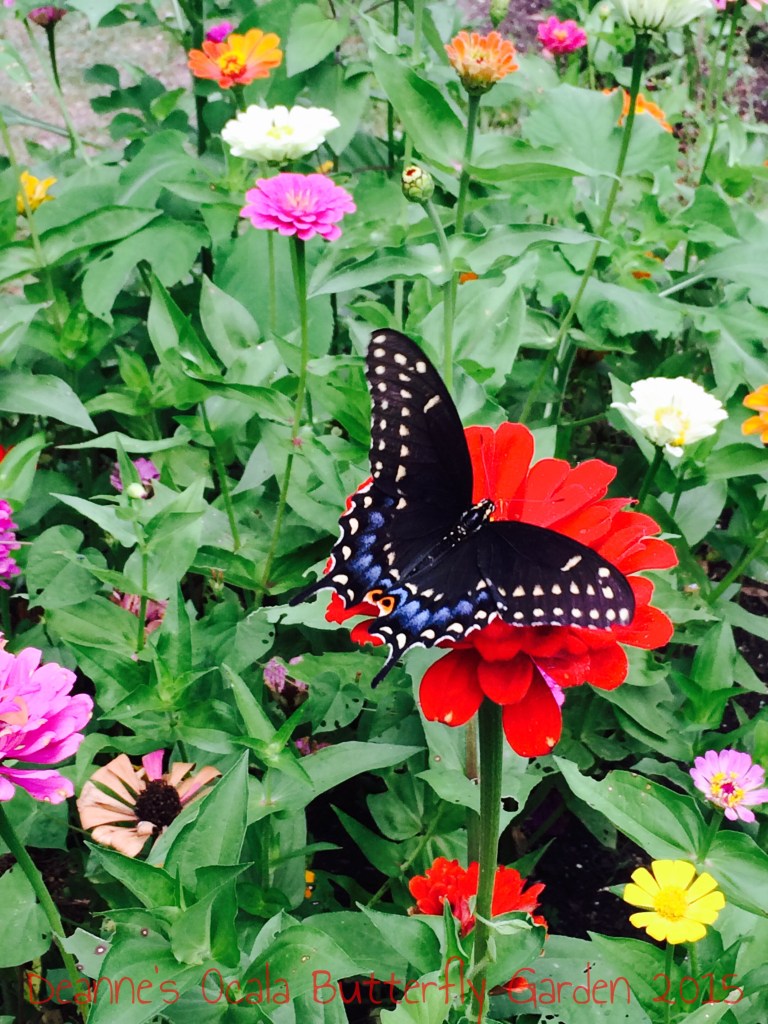
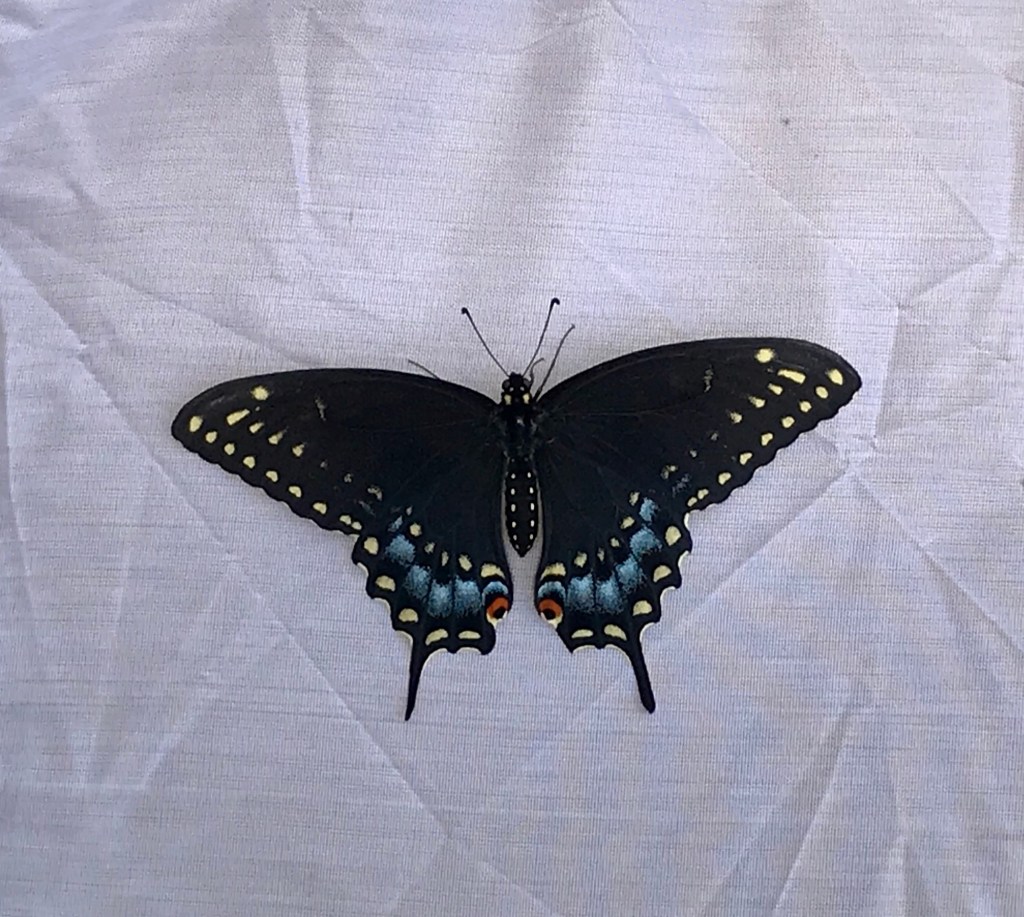
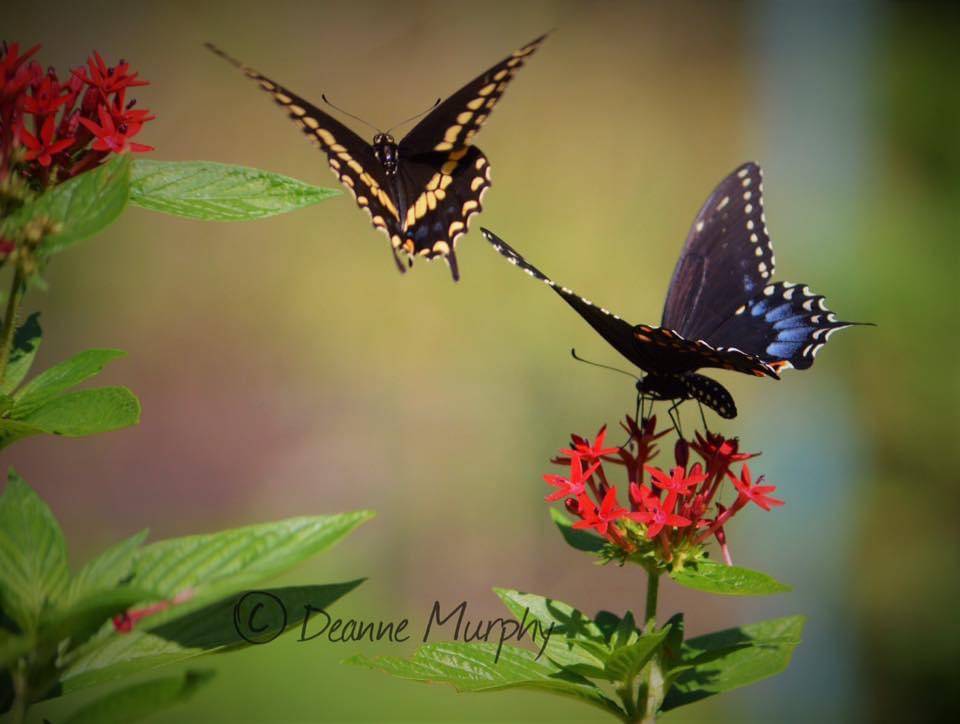
The past couple years, sitings of Eastern Black Swallowtails at the Butterly Dunes has have been limited. This year, I put out several Bronze Fennel plants and finally saw a female taking interest. She laid two different batches of eggs. I noticed the lizards were devouring all the 1st instar caterpillars, so I raised and released 10 butterflies, from egg to butterfly in captivity.
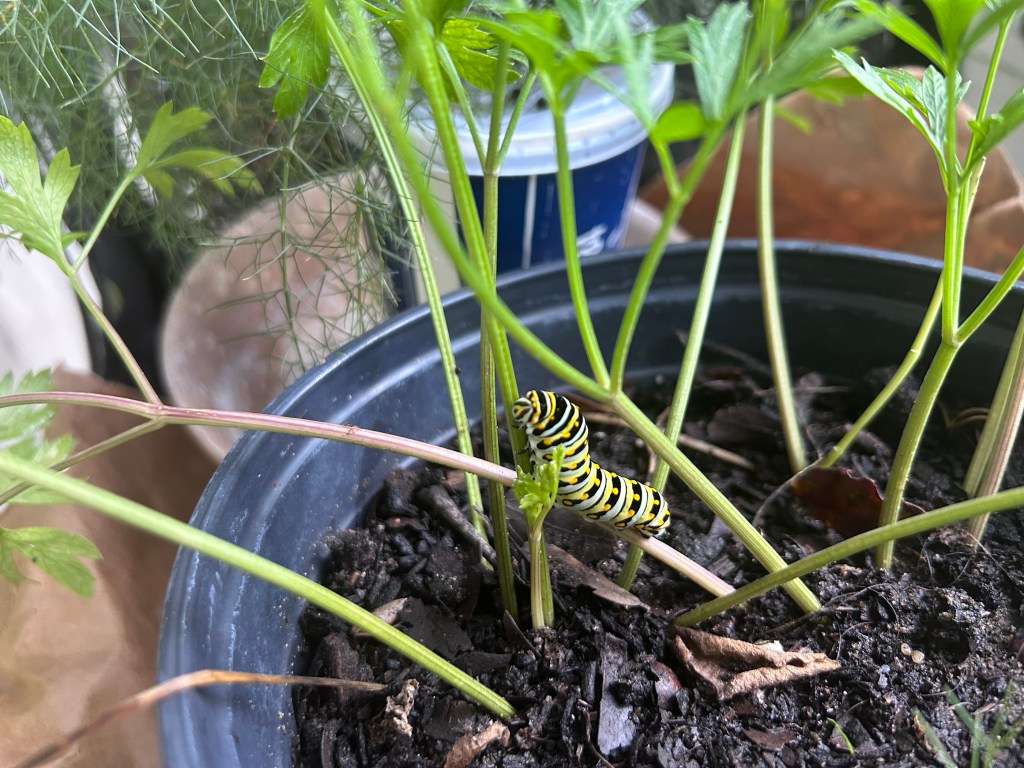
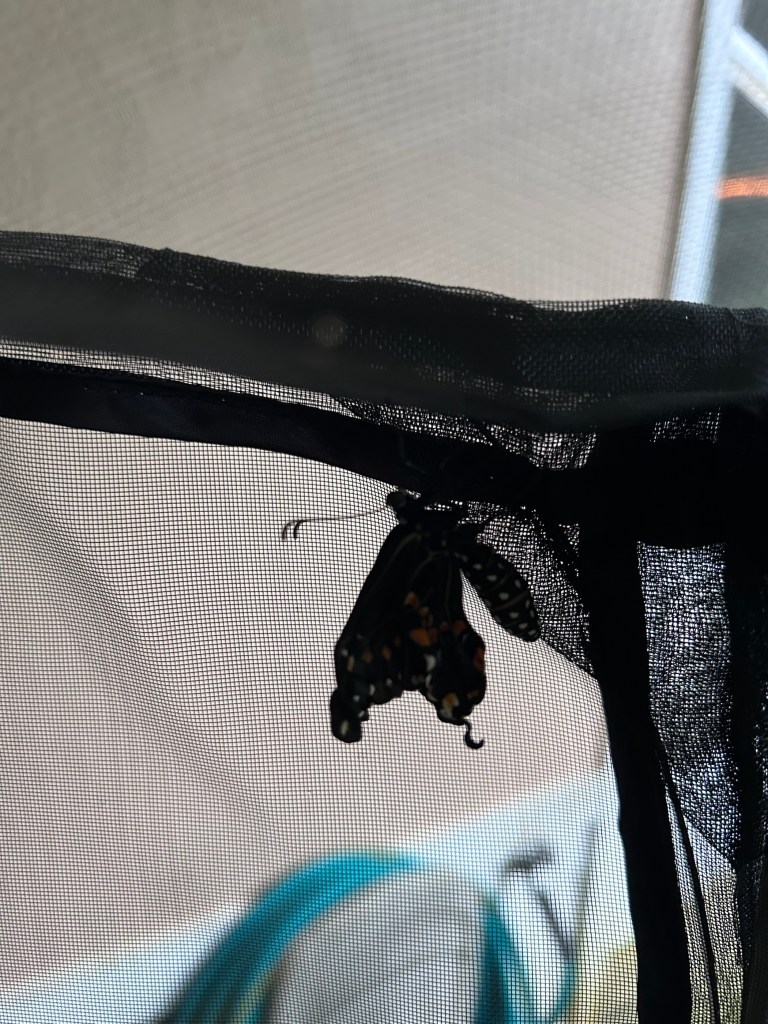
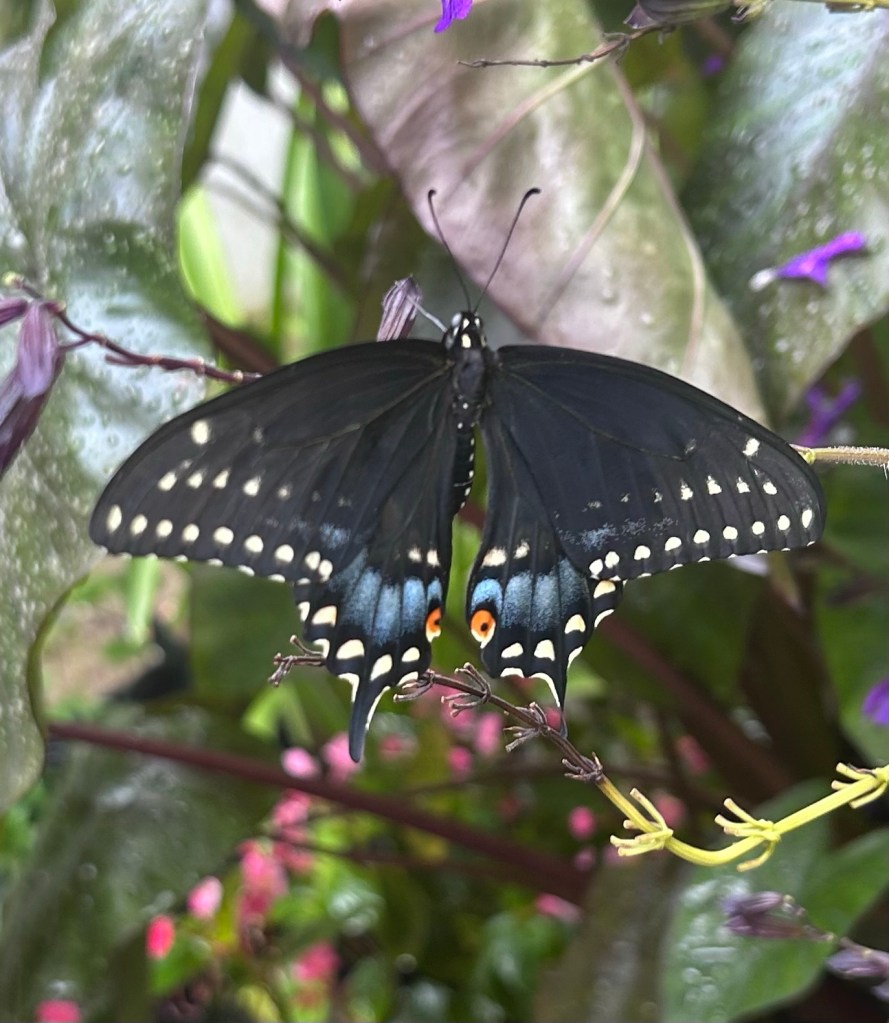
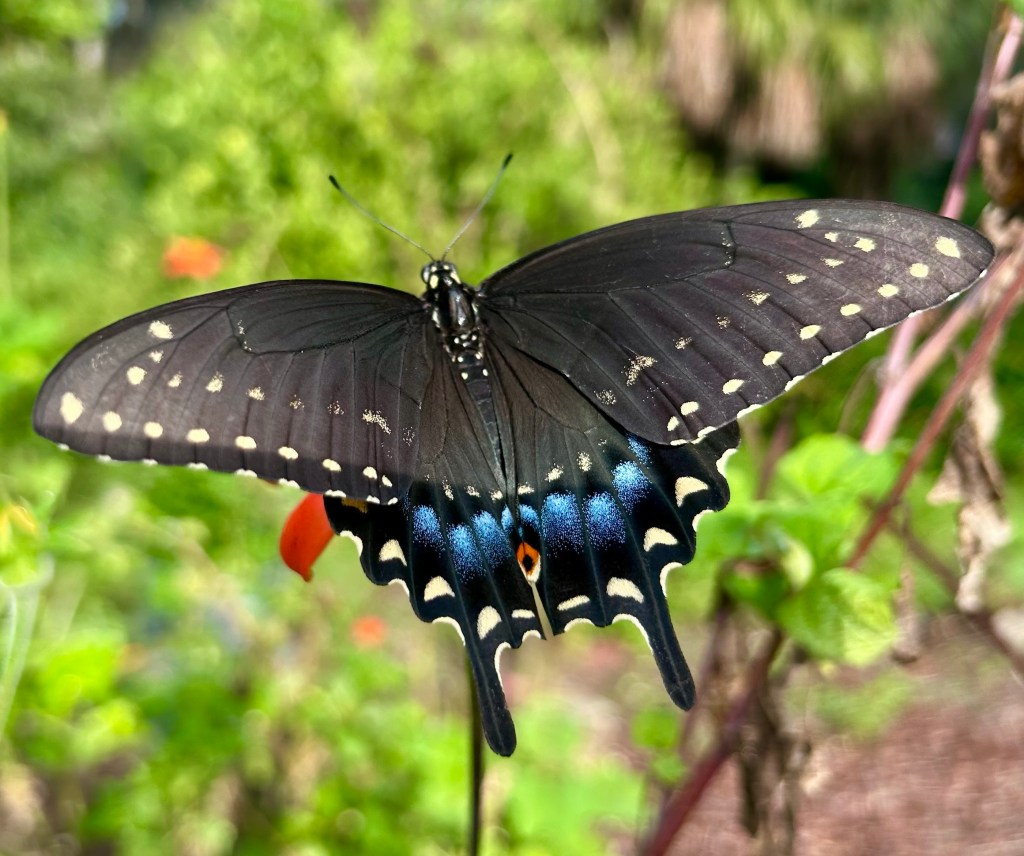

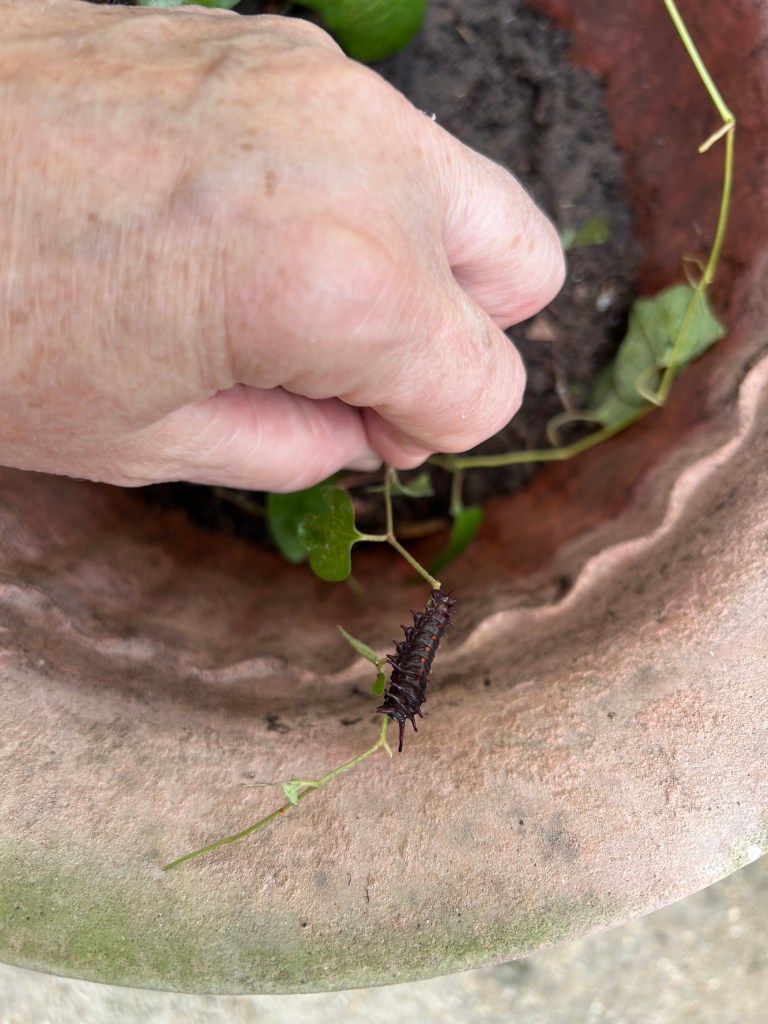
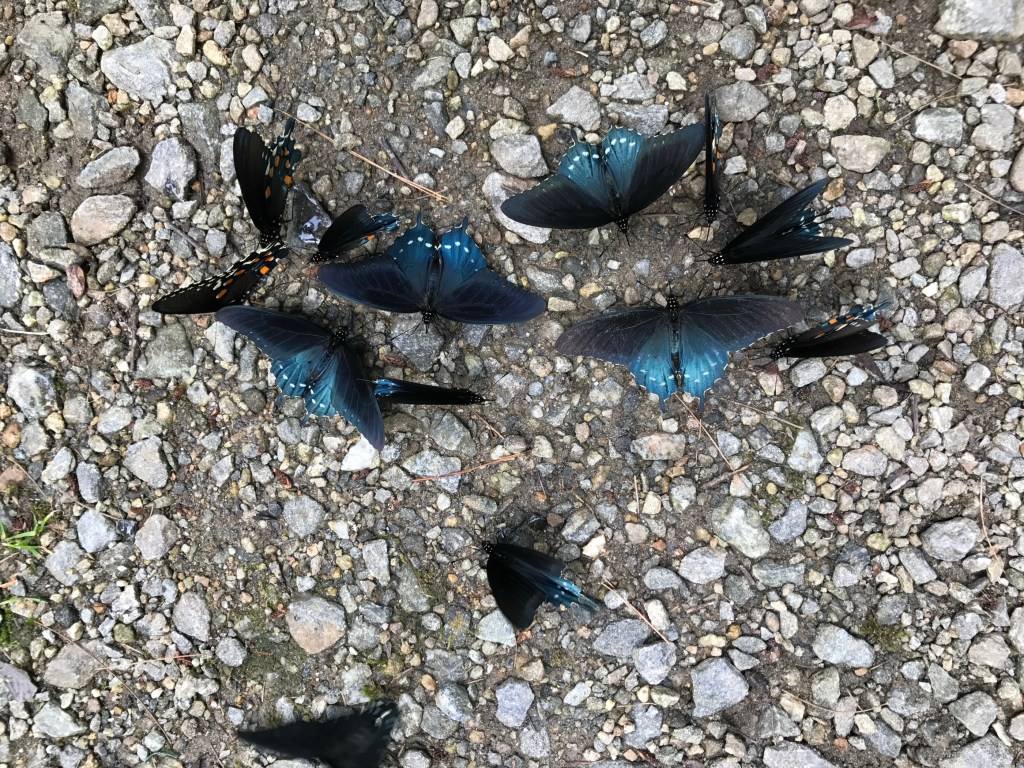
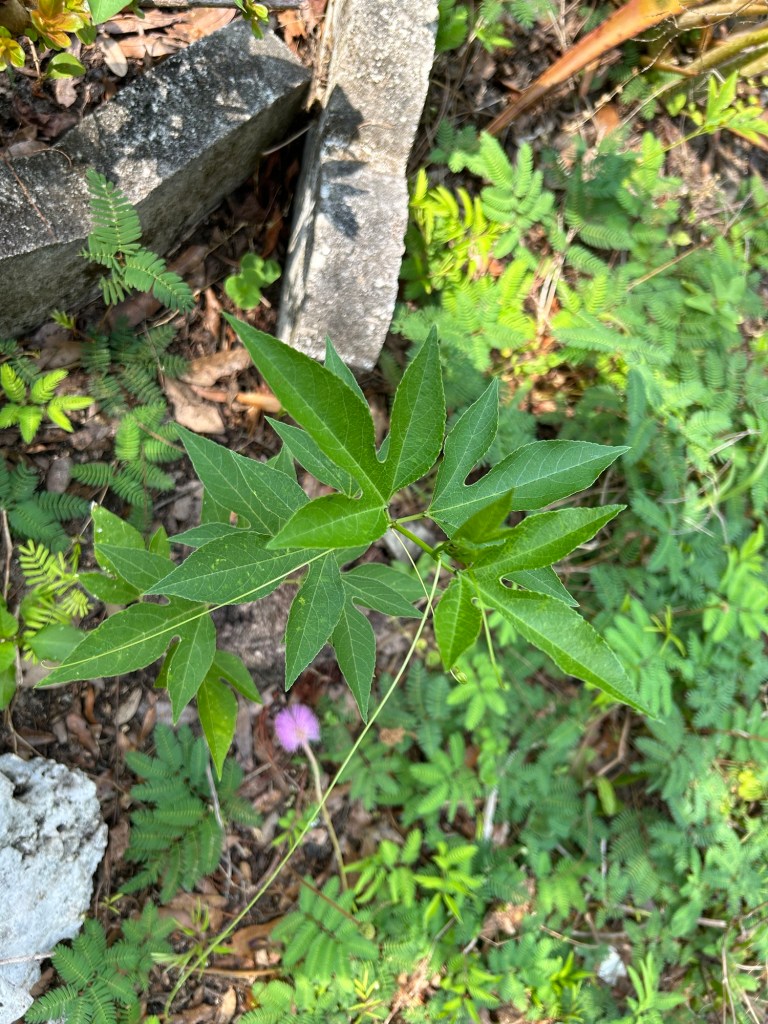
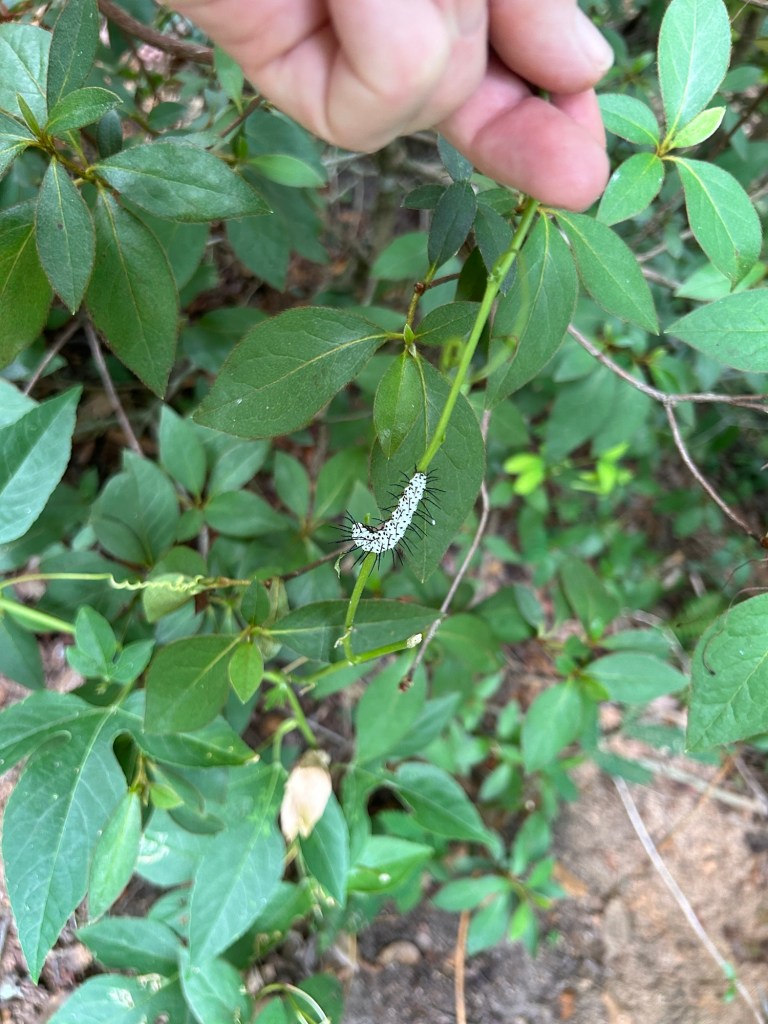
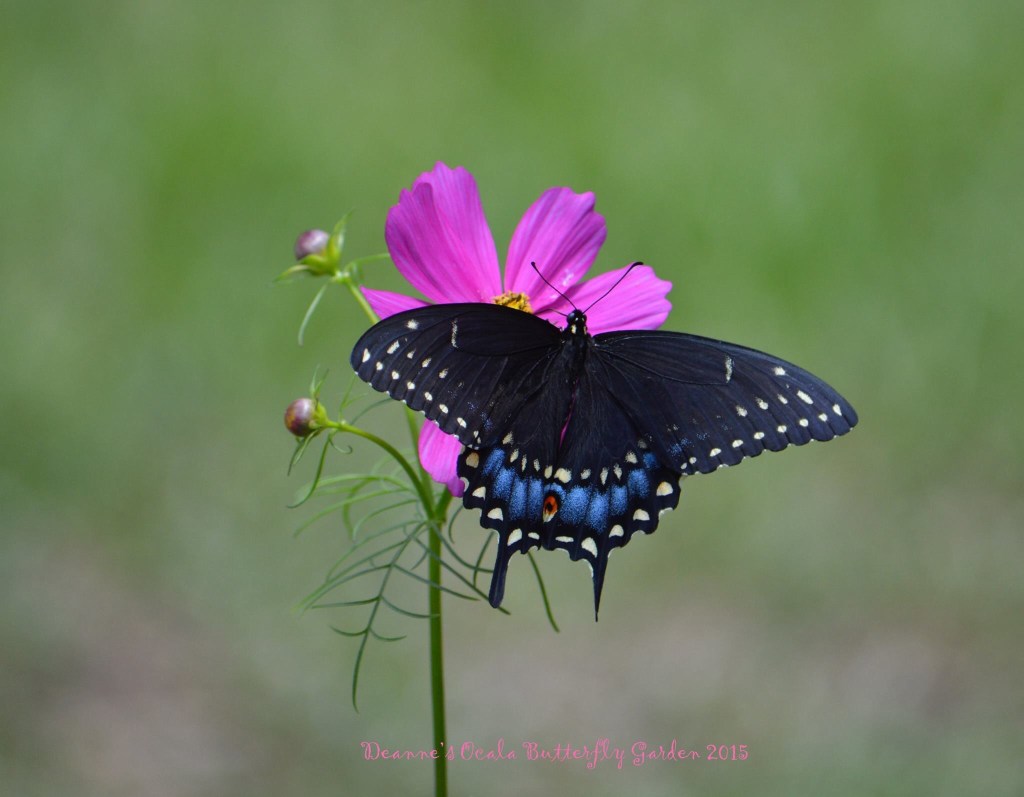
After several years of very few Pipevine Swallowtails at the Butterfly Dunes, several started showing up this year once the rainy season started in July. Since they do not consume the tropical non-native host plant (Aristolochia trilobata) I provide, I went on a mission to find the native Aristolochia serpentaria vine near my property, since my research suggests this is a main food source. I was rewarded in my search.
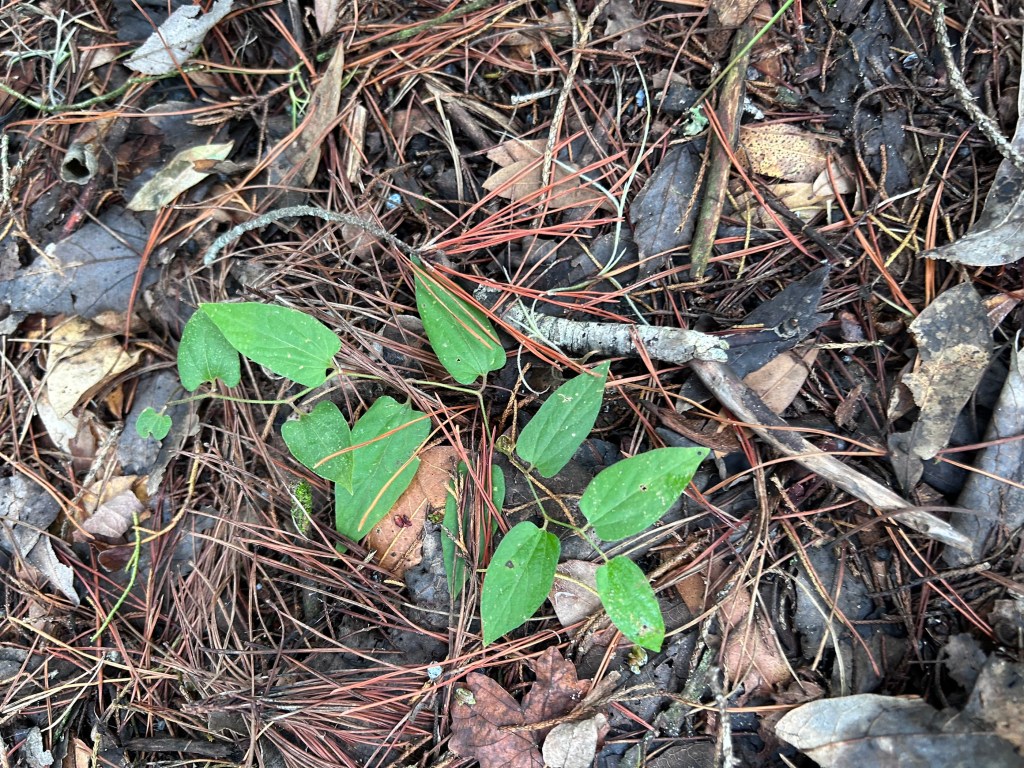
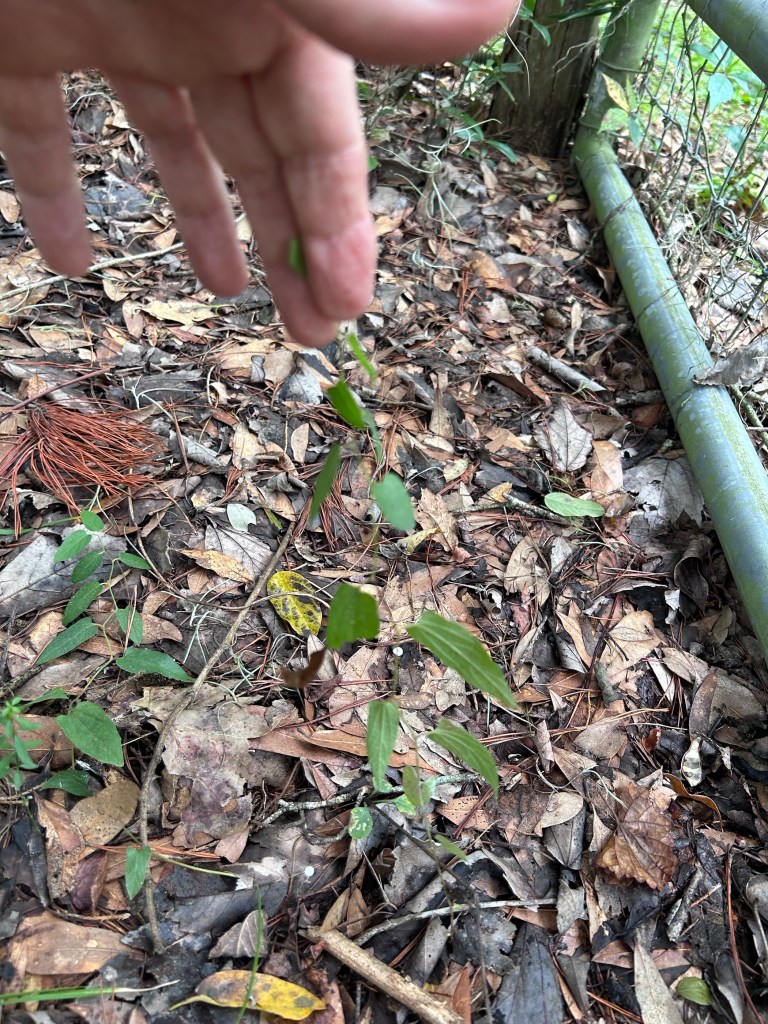
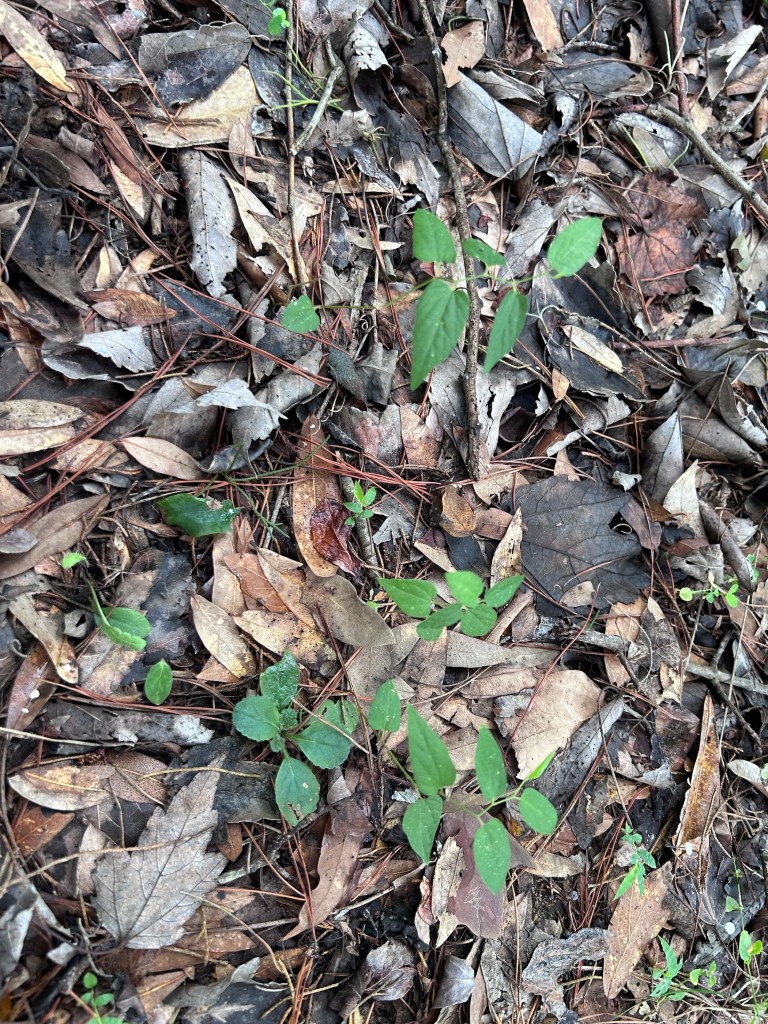
This native vine, A. serpentaria, aka Virginia Snakeroot is one of its primary host plants here in Central FL. It grows in very shaded areas and so far I’ve found one deeply shaded unmowed corner on the property under cedar and trees. There are about 10 small vines (about 6-8 inshes long) in this little corner. Going to continue to search the wooded areas for more host plants. Will attempt to harvest a few vines before frost and collect seeds in October.
I found one caterpillar and dug up this plant and one more to feed him.
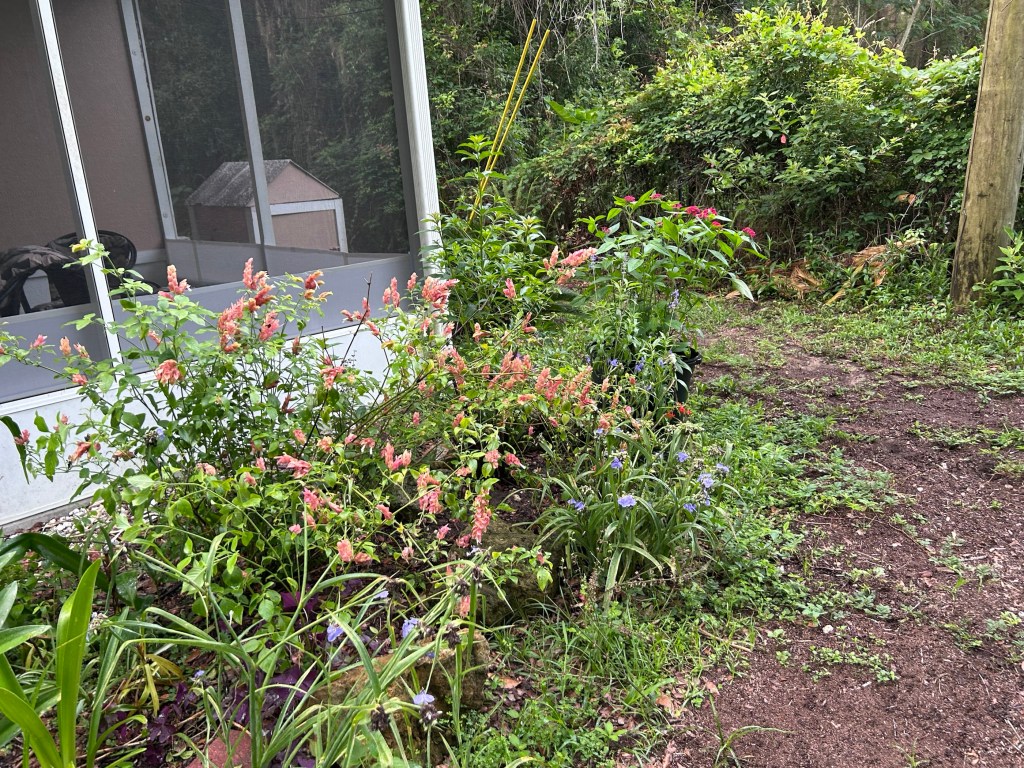
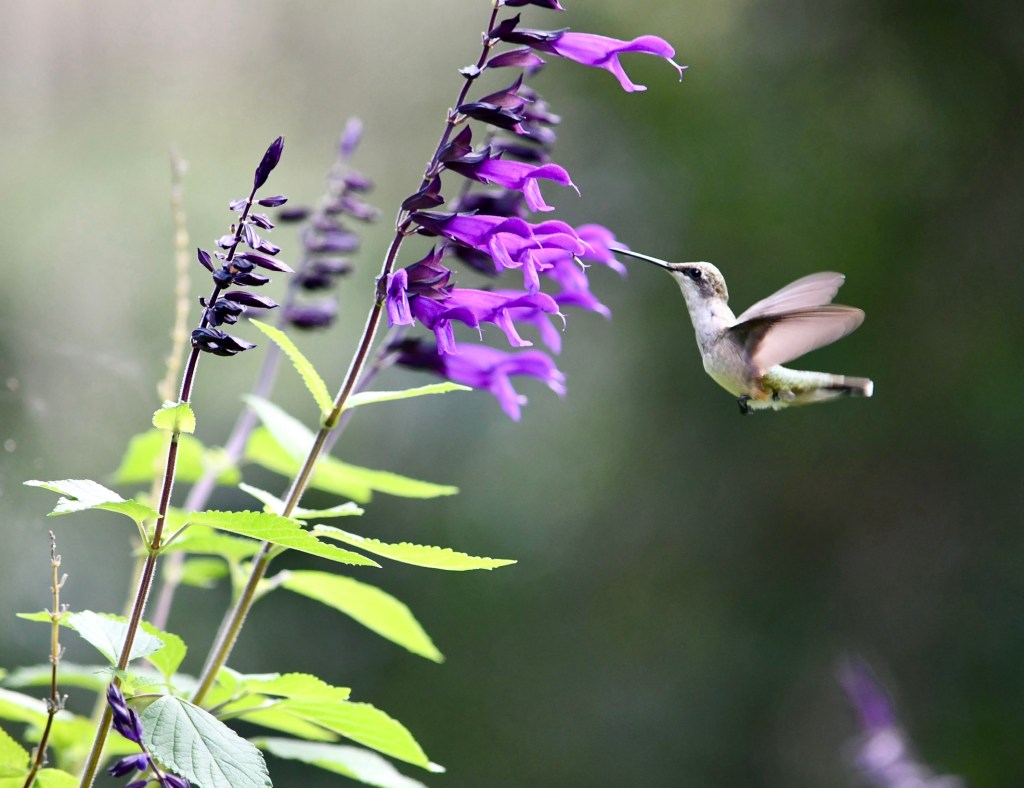
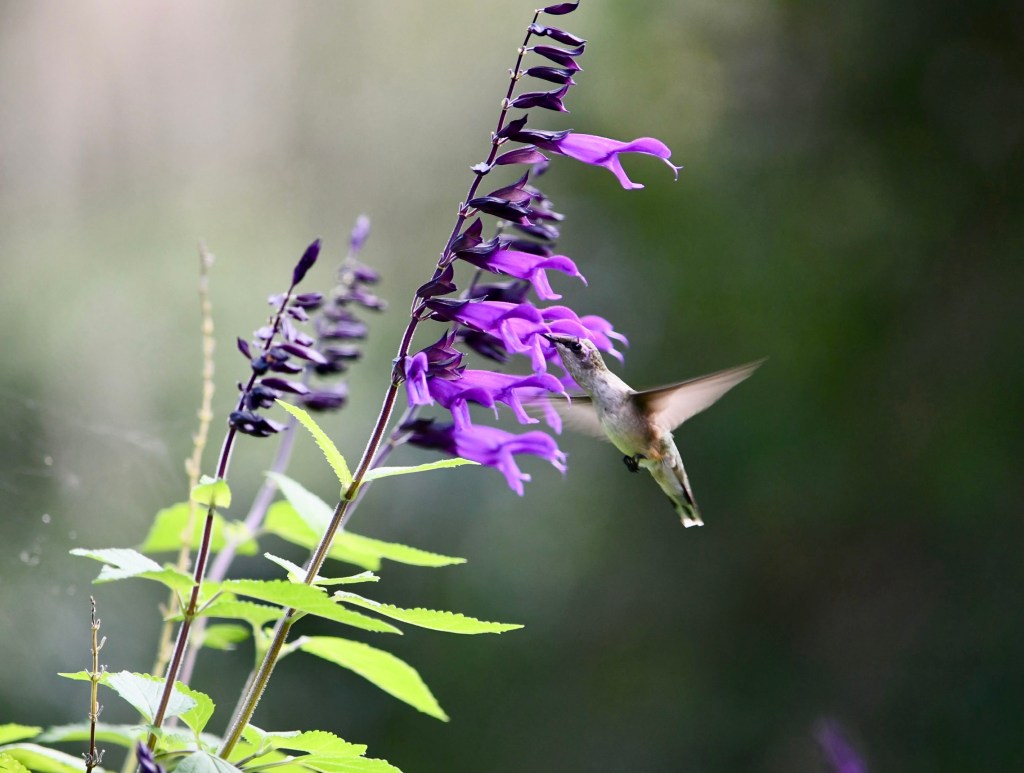
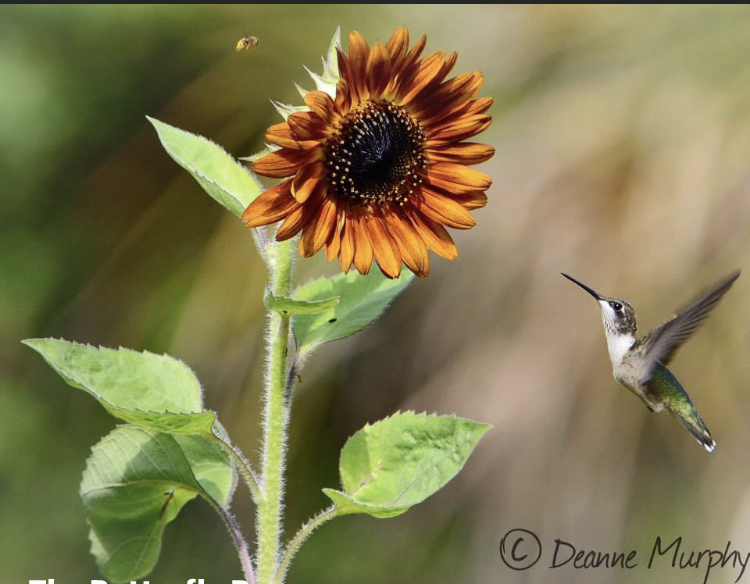
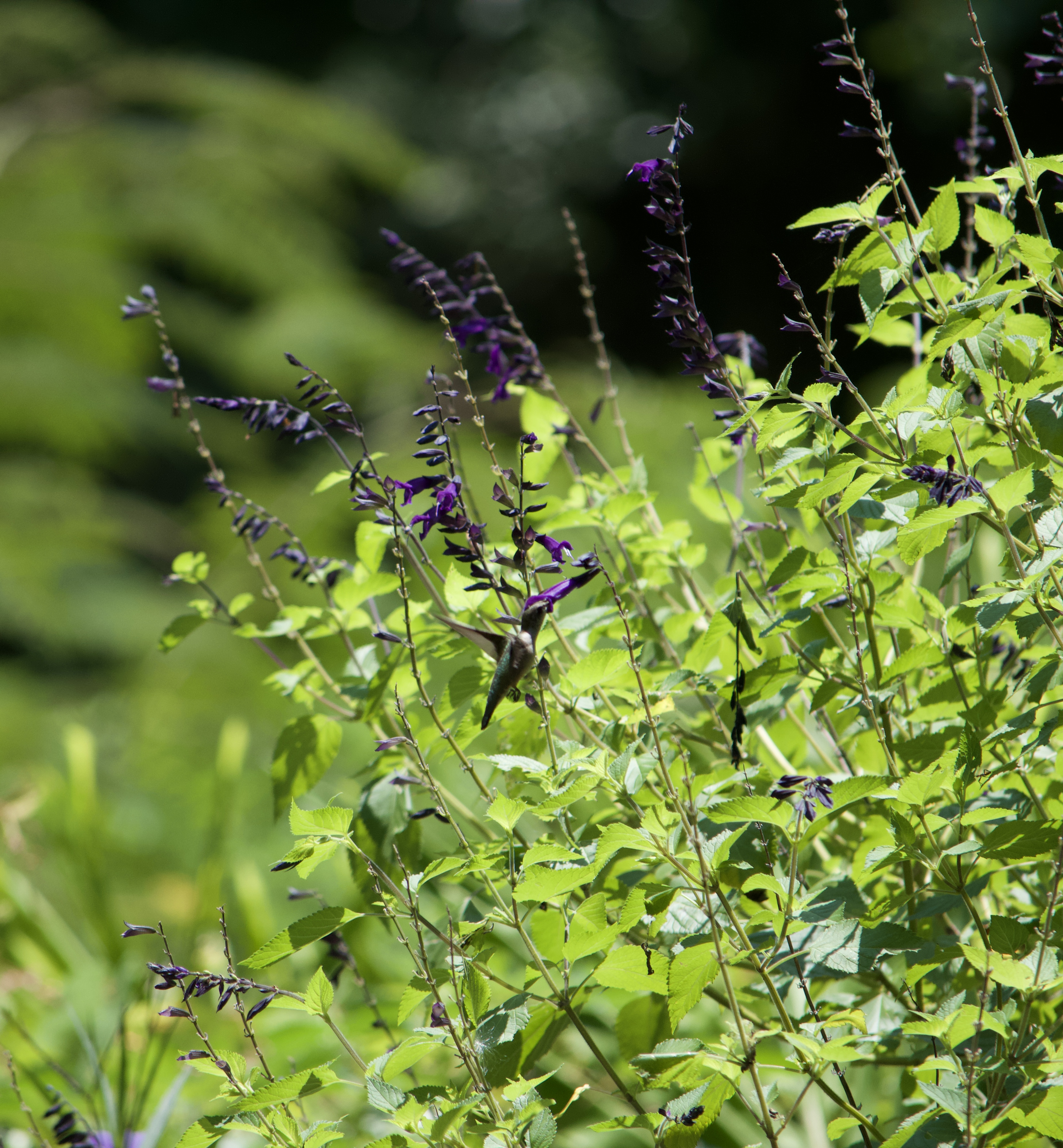
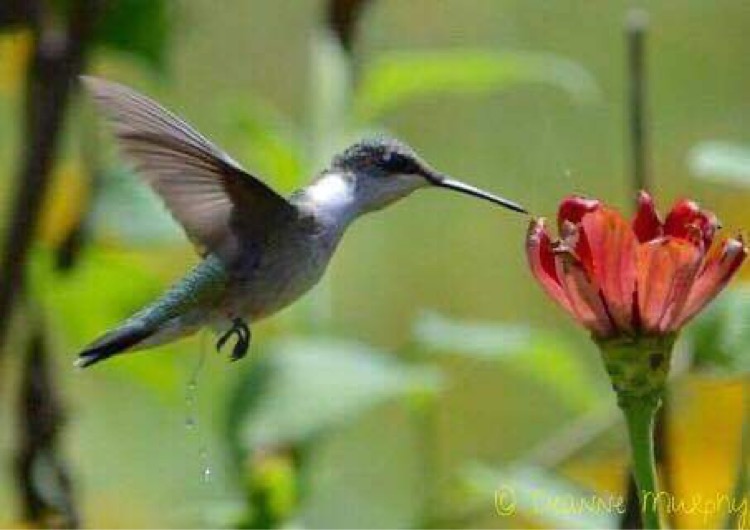
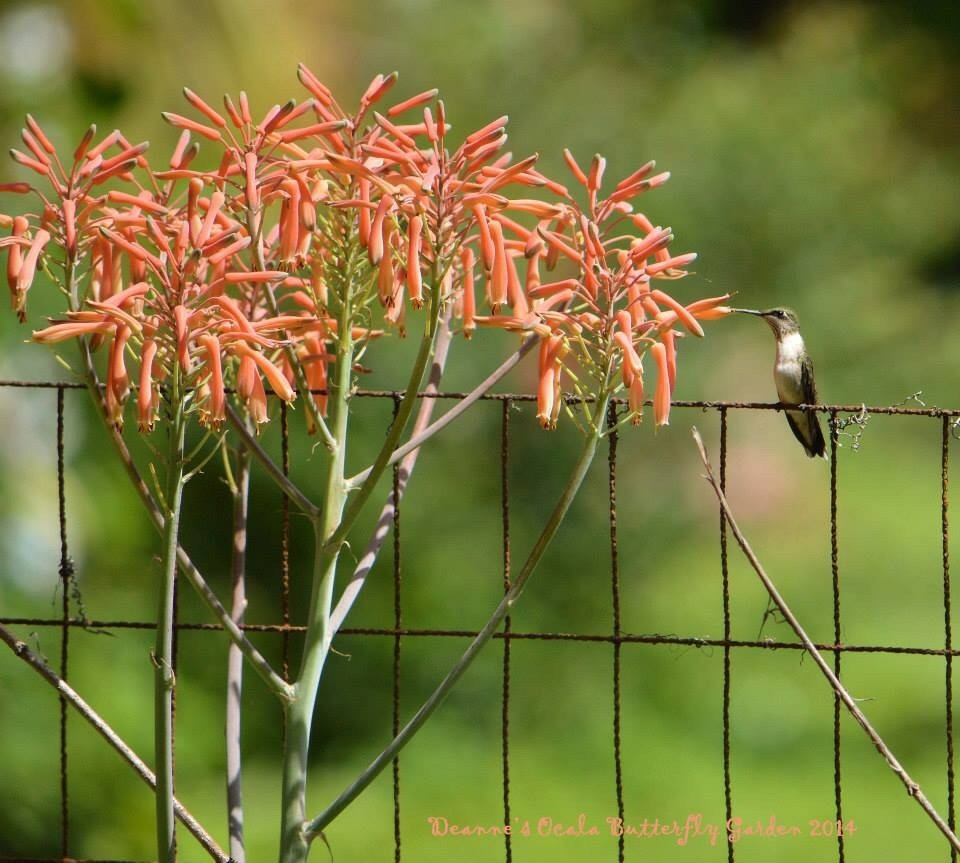
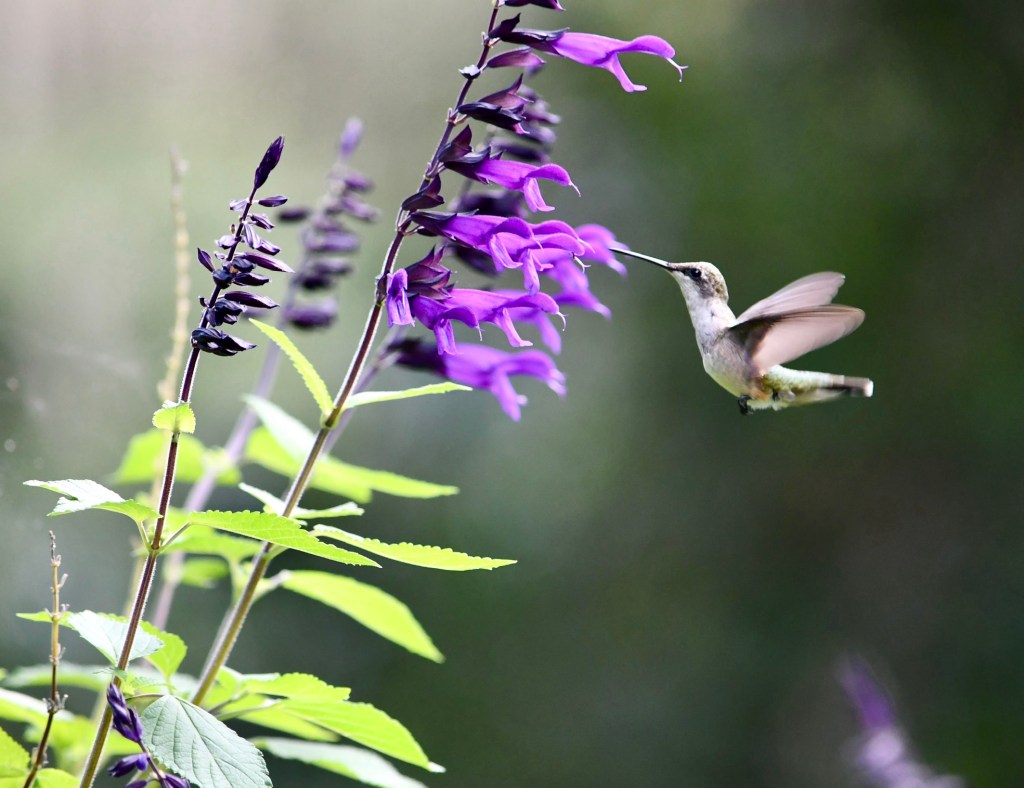
Black Knight Salvia is a hardy heat tolerant plant that grows into a large bushy shrub in this garden (about five feet tall). The hummingbirds visit this constant blooming plant the entire spring & summer.
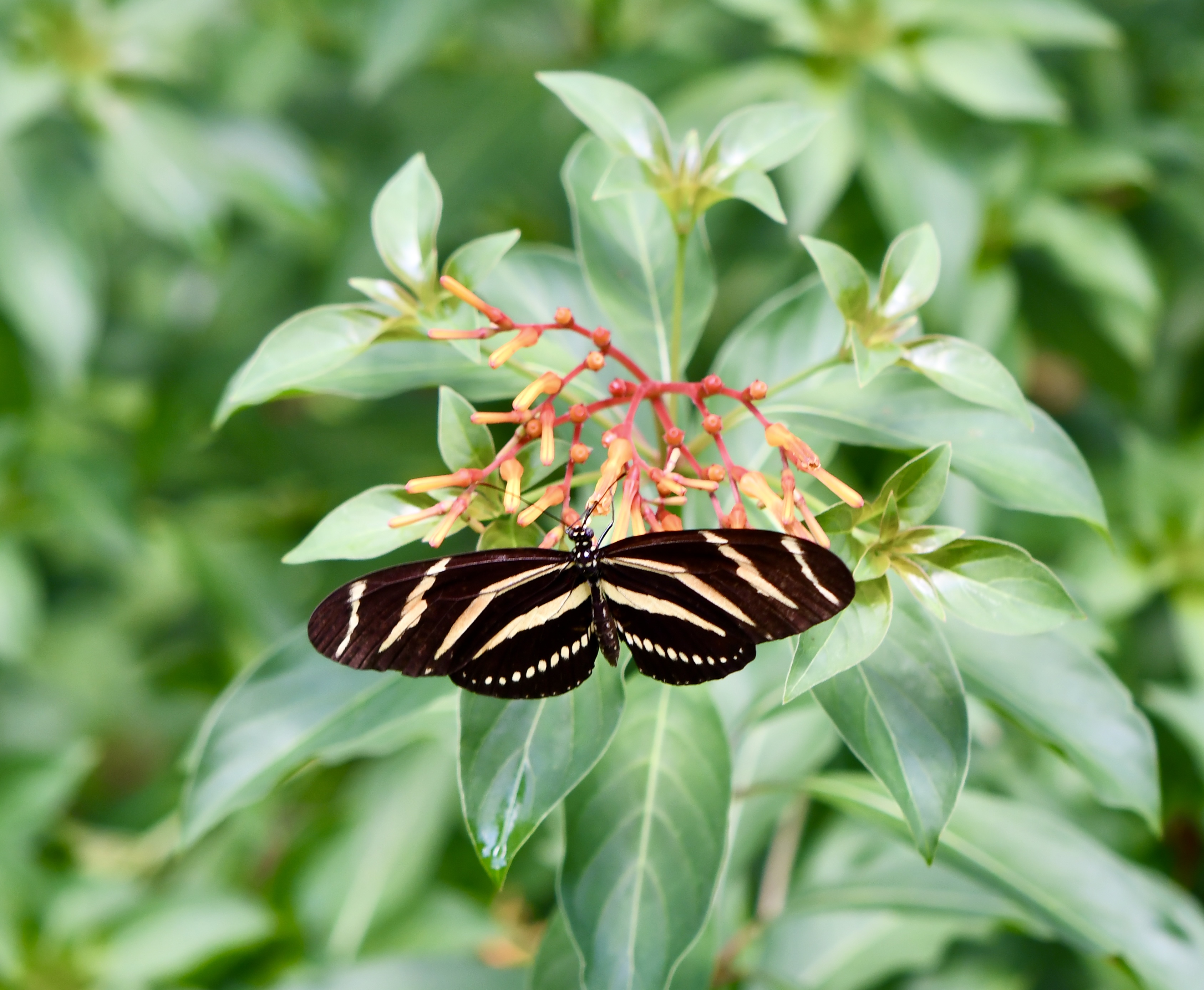
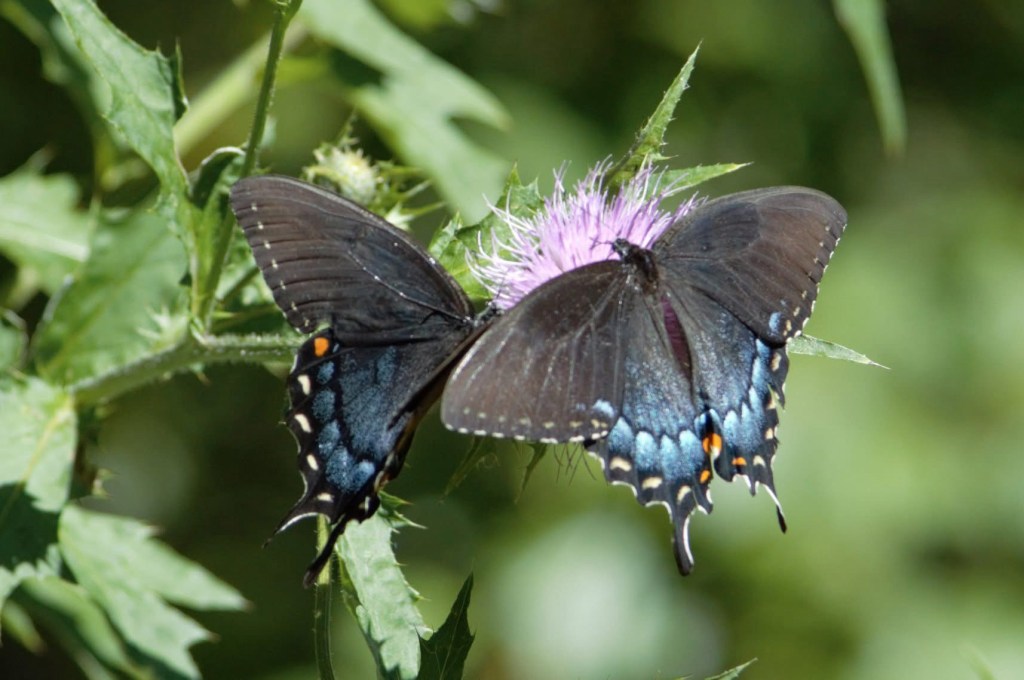
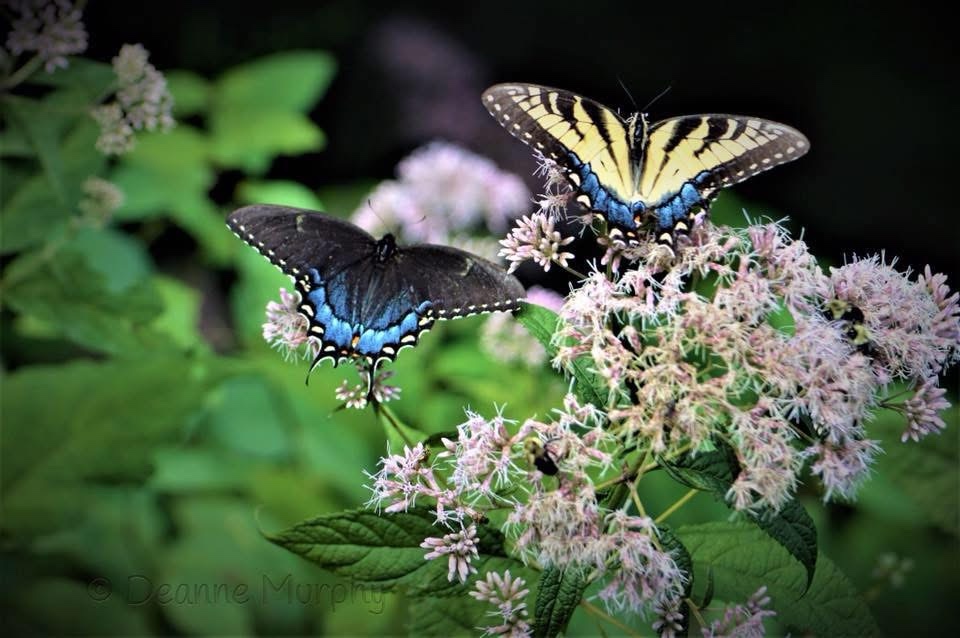
There are a quite a few butterflies in this area that contain a lot of black coloring.
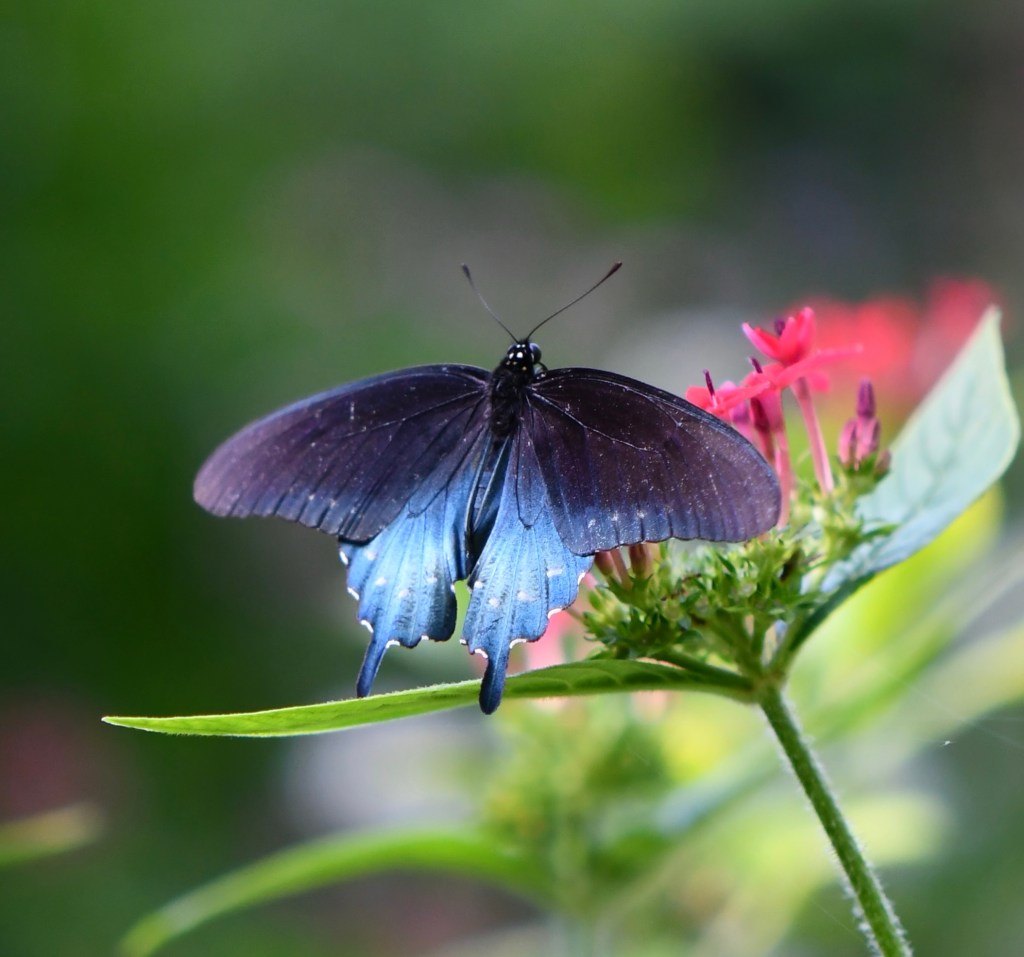
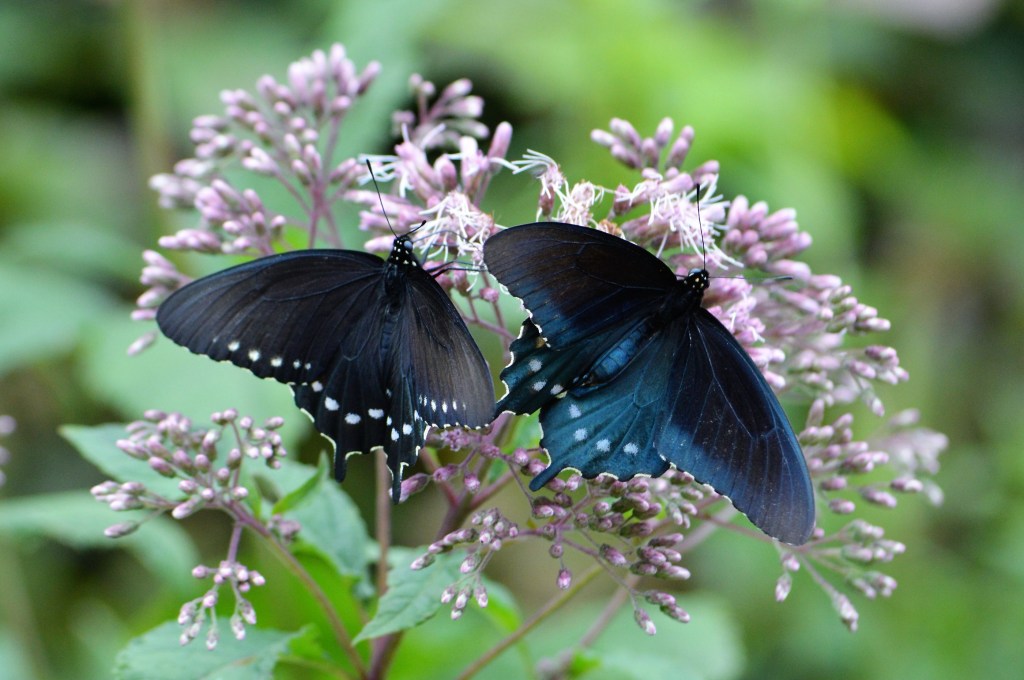
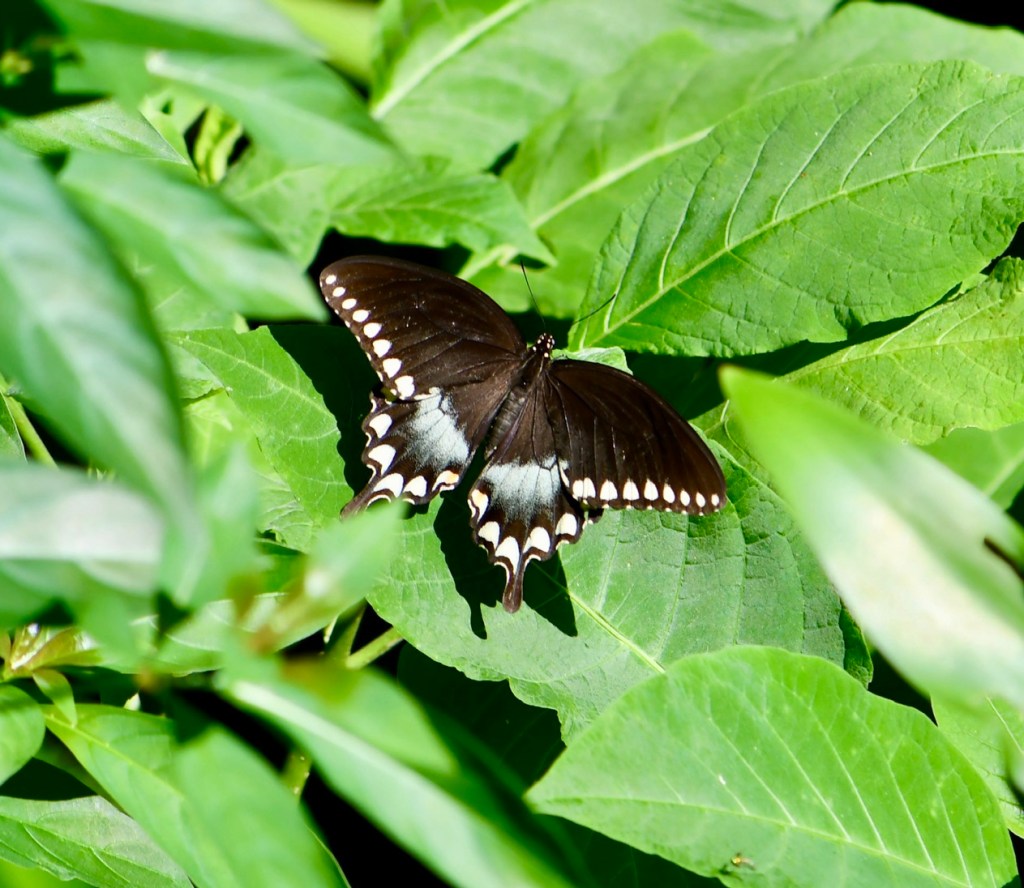
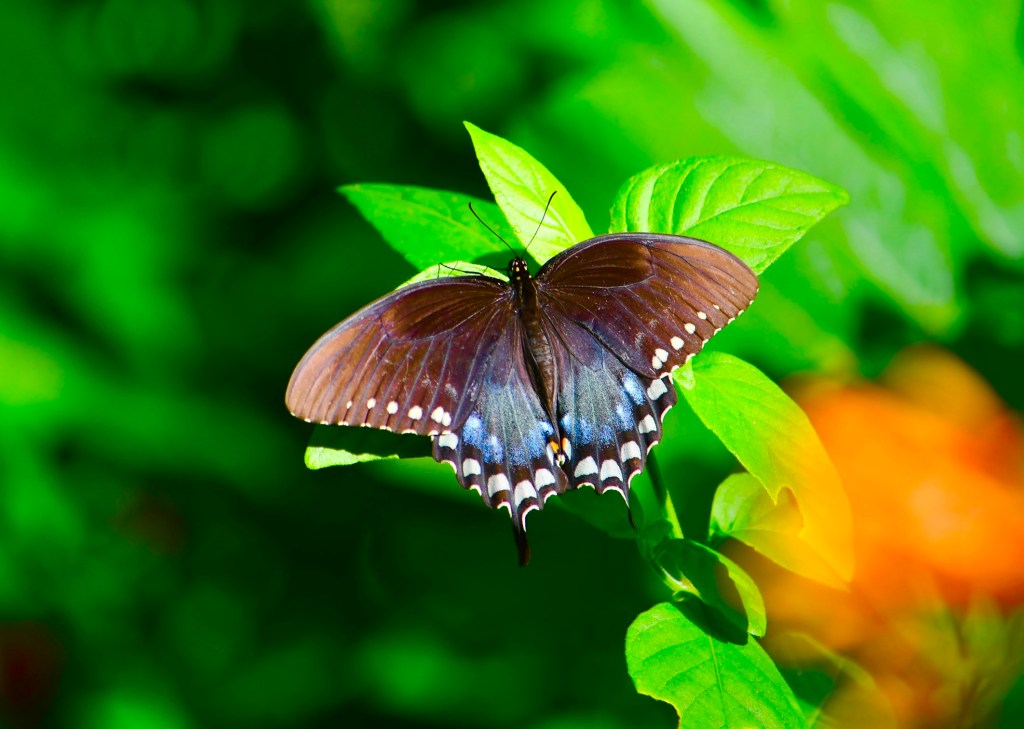
Female Spicebush Swallowtail
“When passion meets inspiration, obsession is born.”—Ewan MacKenna
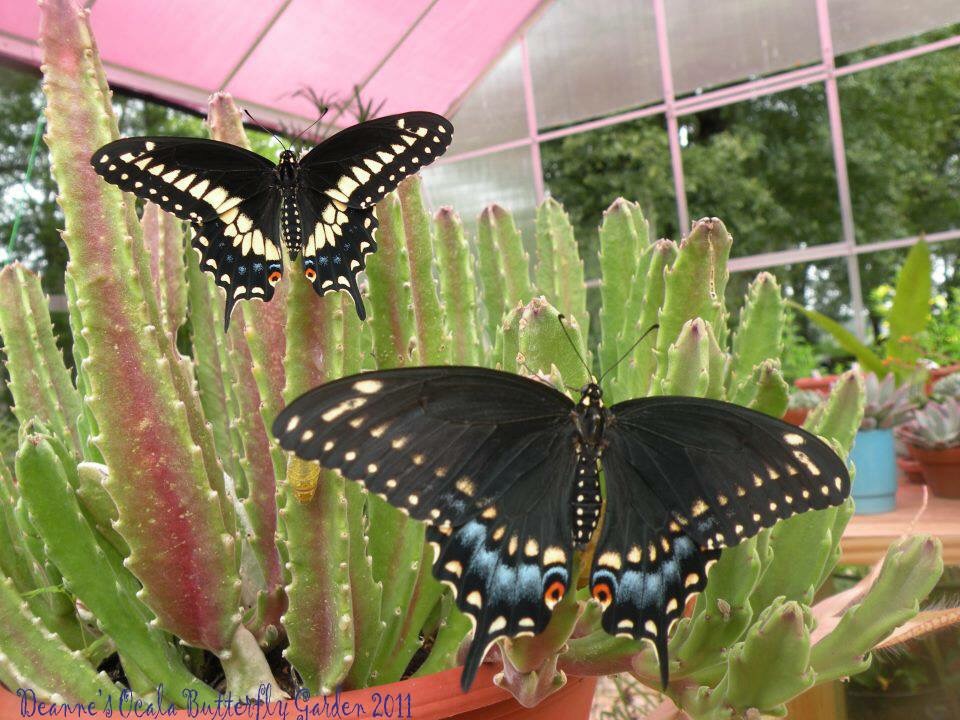
My butterfly gardening journey happened instantly, as if it was my destiny.
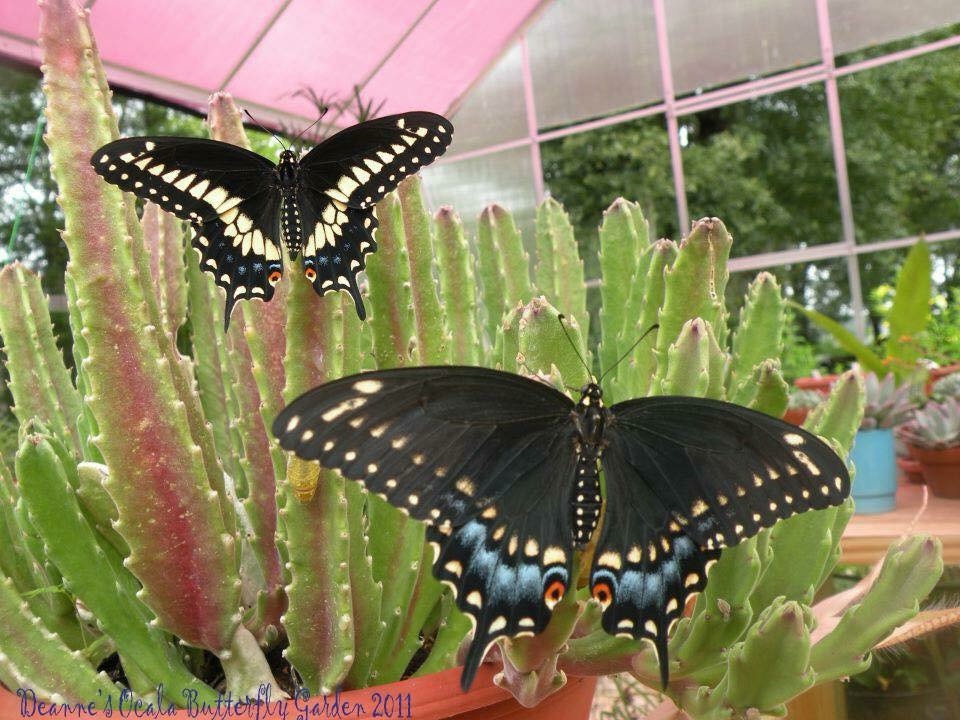
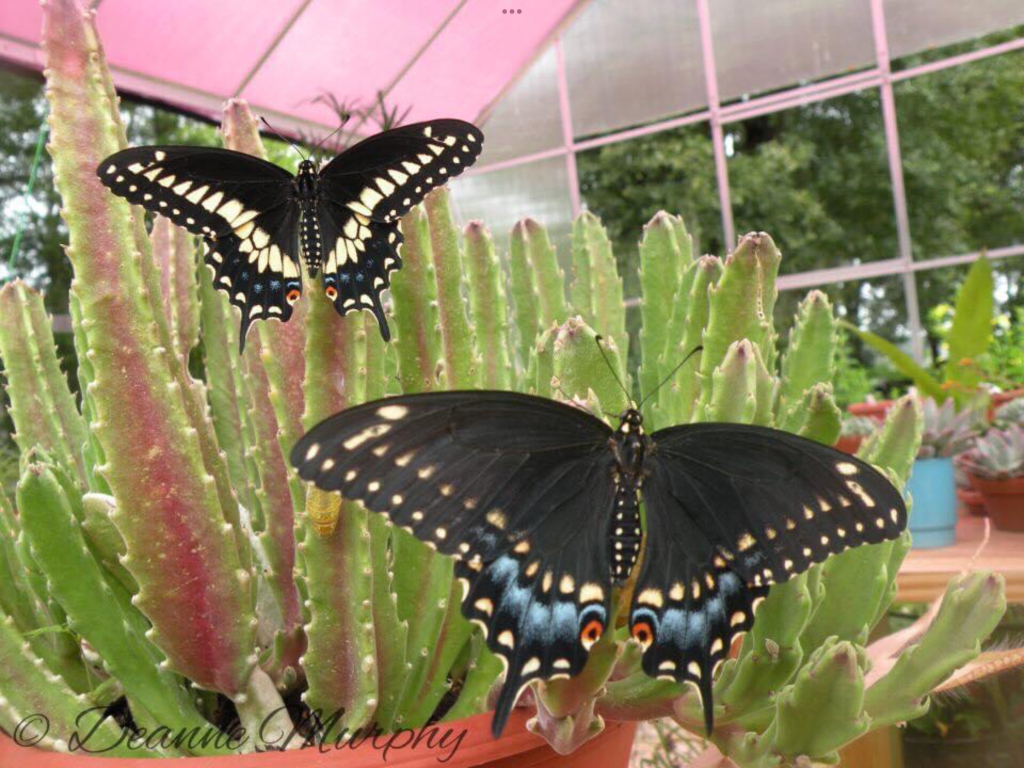
When the butterflies, pictured on the succulent above, appeared one morning in my greenhouse my life transformed, just like as a caterpillar transforms into a butterfly, and I’ve never looked back.
I had always grown a vegetable garden while living in Oklahoma. After moving to Florida and attempting to grow all the vegetables one can grow in Oklahoma’s thick rich prairie topsoil, the disappointment of failed gardening attempts happened year after year. Florida is a very different environment, with thin sandy topsoil and very little organic matter. My region in Central Florida is a semi-tropical climate, with short mild winters and an extremely hot dry period from winter to late spring. One must amend and fertilize the soil and water frequently during the dry season. I even resorted to buying composted cow manure every year. Since I refuse to use any harsh poisen on bugs, I was mainly feeding the bugs, and most every vegetable plant was devoured prior to blooming or producing vegetables.
After trying this for two or three years, I automatically began growing “Home Depot” ornamental plants and herbs. I began growing herbs in pots. At one point, I put parsley in a pot in a spot underneath a greenhouse shelf, and soon discovered several beautiful caterpillars devouring every leaf. I quickly researched them and learned they were in fact the larvae of the Eastern Black Swallowtail, though I made the common mistake of thinking they were Monarch caterpillars. The very next day, the caterpillars were gone and the parsley was eaten. I was clueless as to where they went.
A few weeks later, I went out to the greenhouse, and there were two gorgeous Black Swallowtails, which had just emerged from their chrysalises, on the succulent in the top photograph.
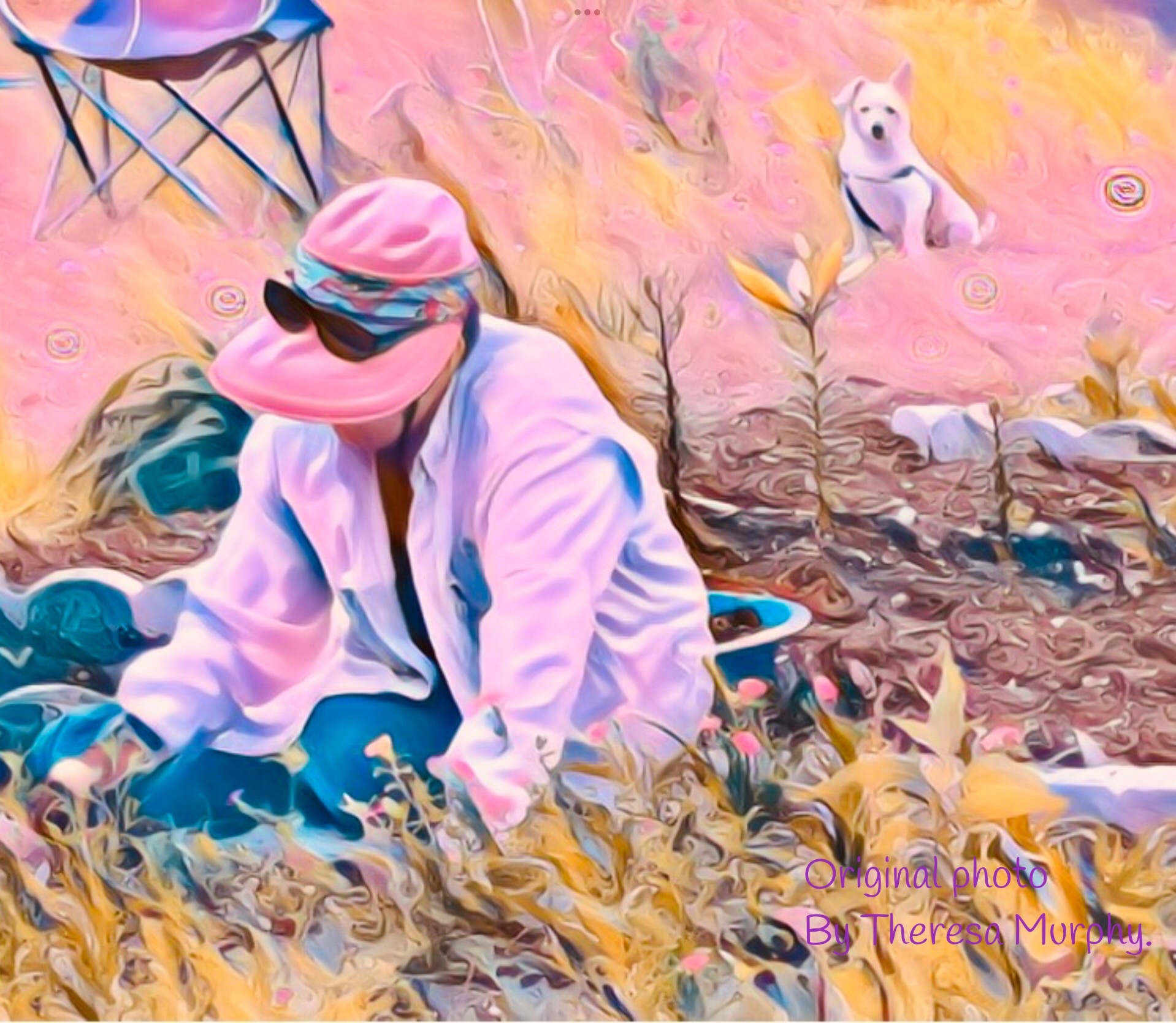
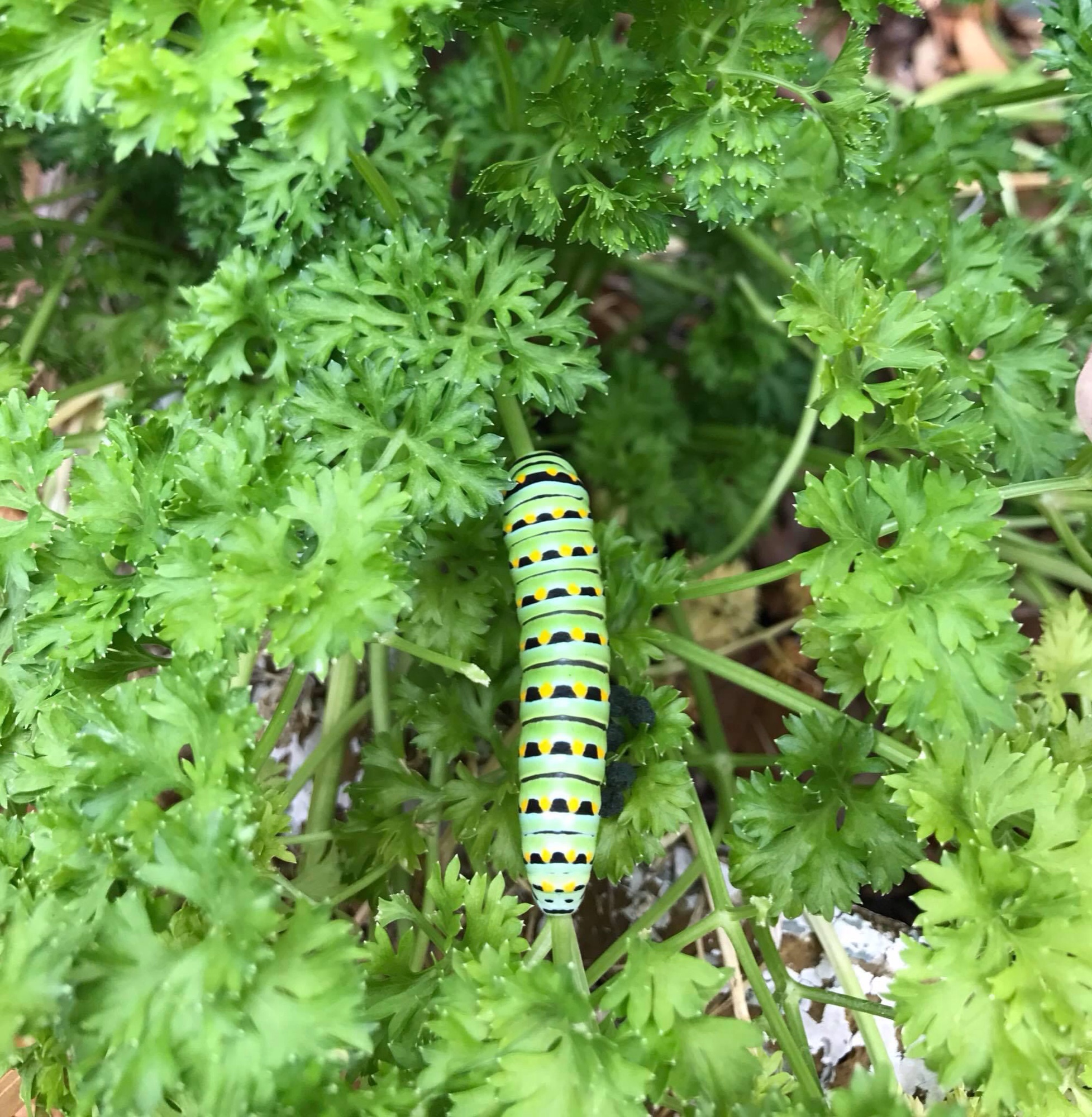
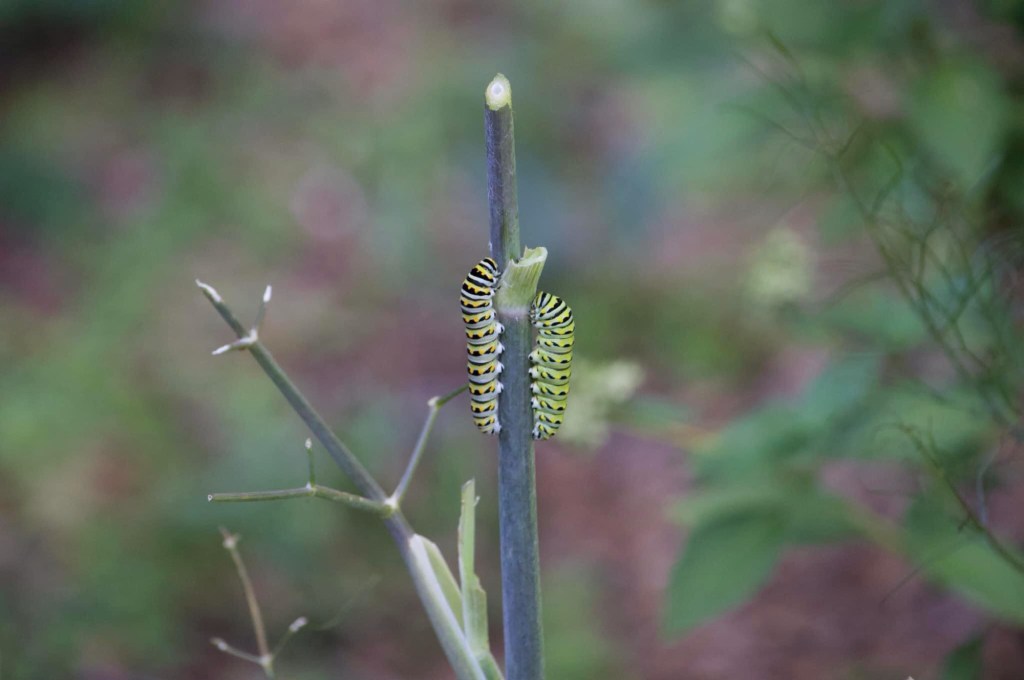
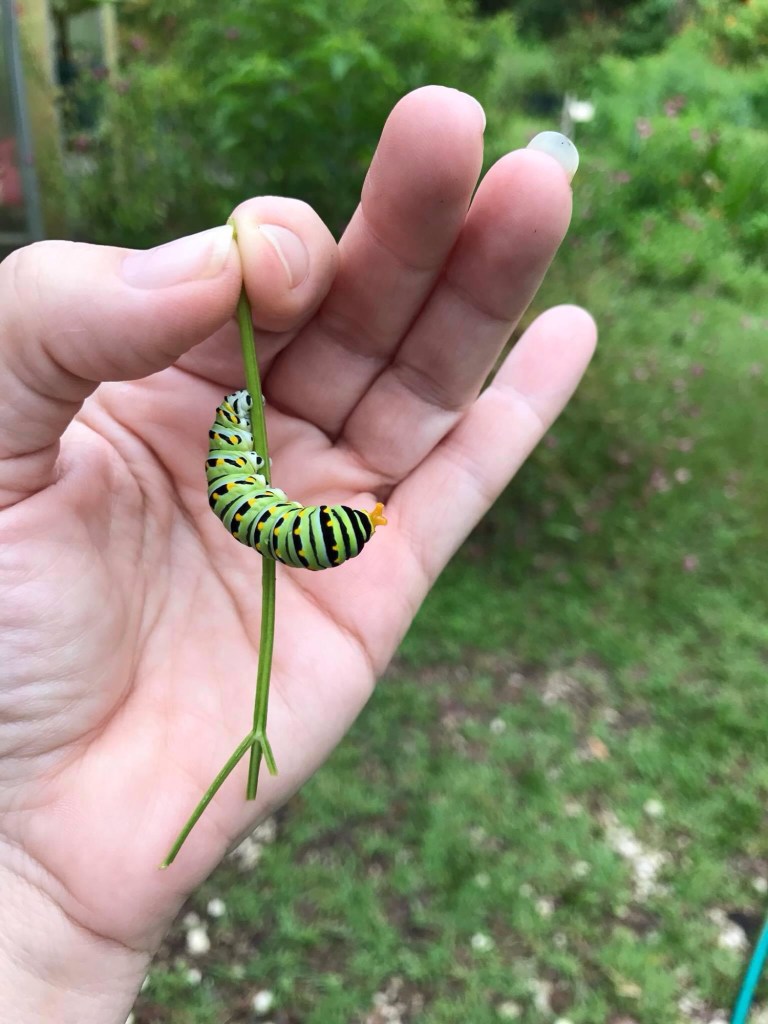
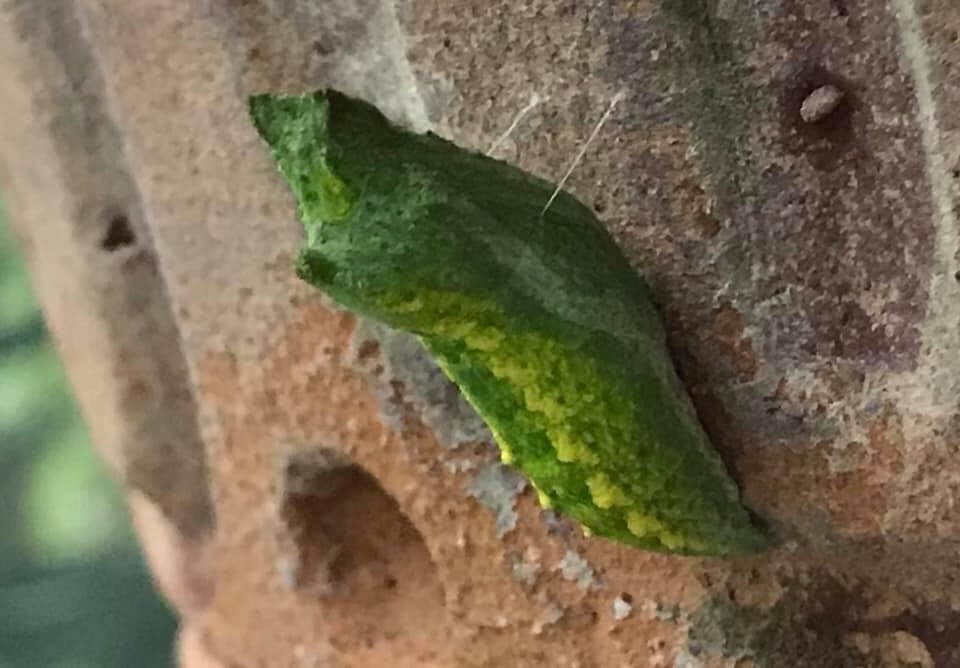
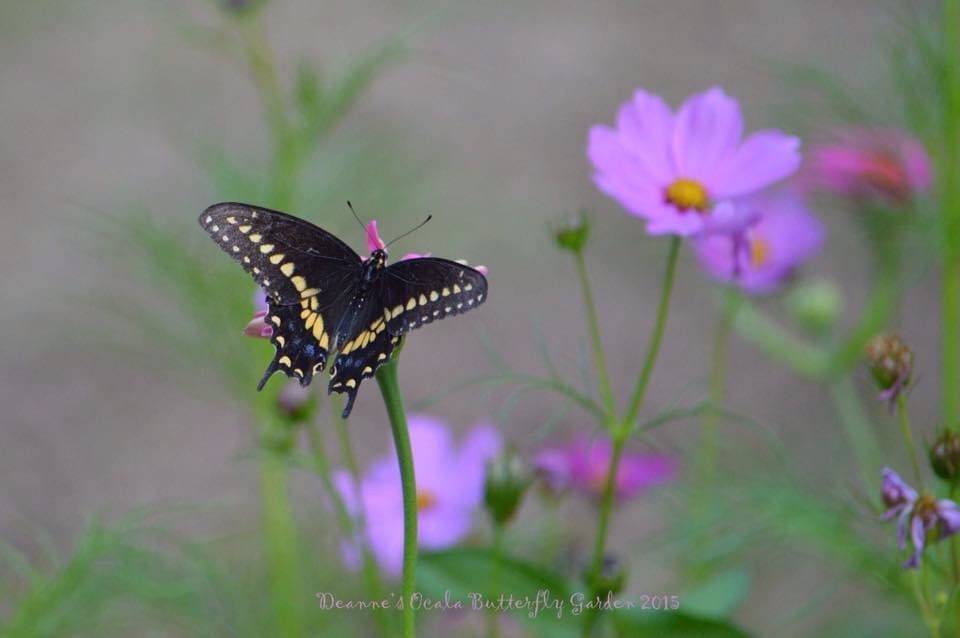
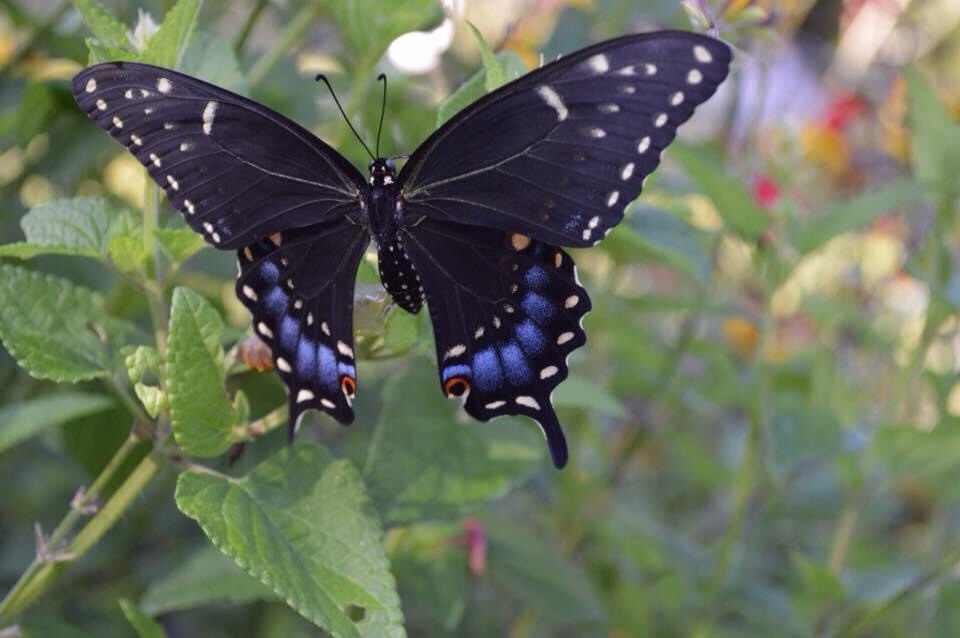
This experience has completely changed my perspective as a human being. I have become a passionate caretaker of the butterfly dunes, always inspired to improve it year after year.
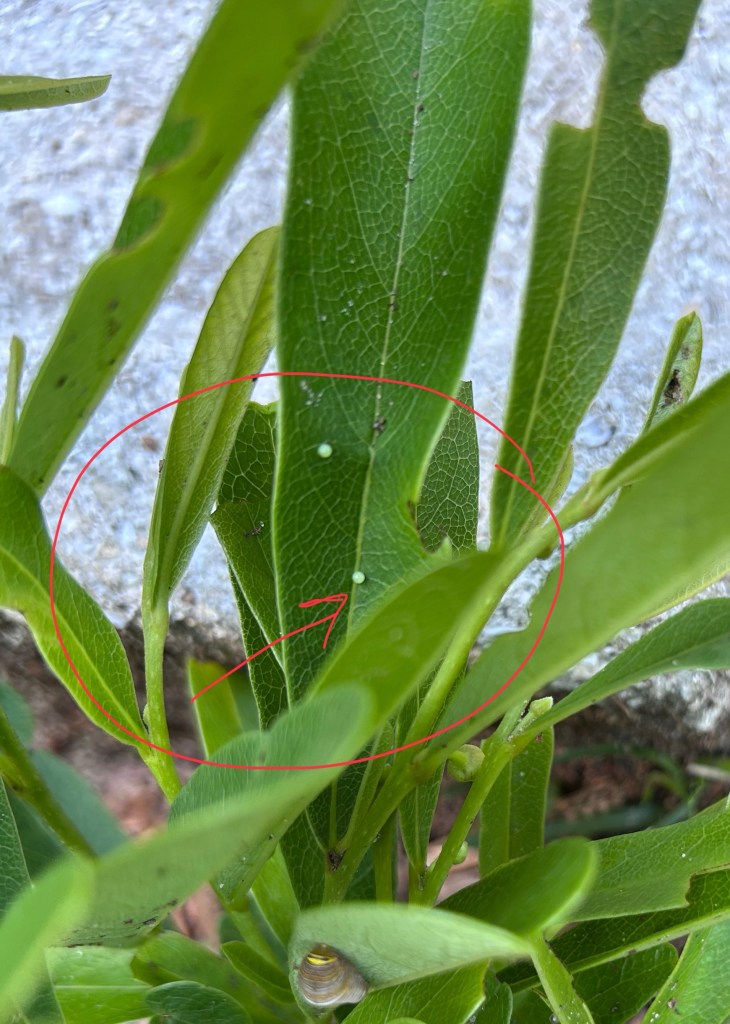
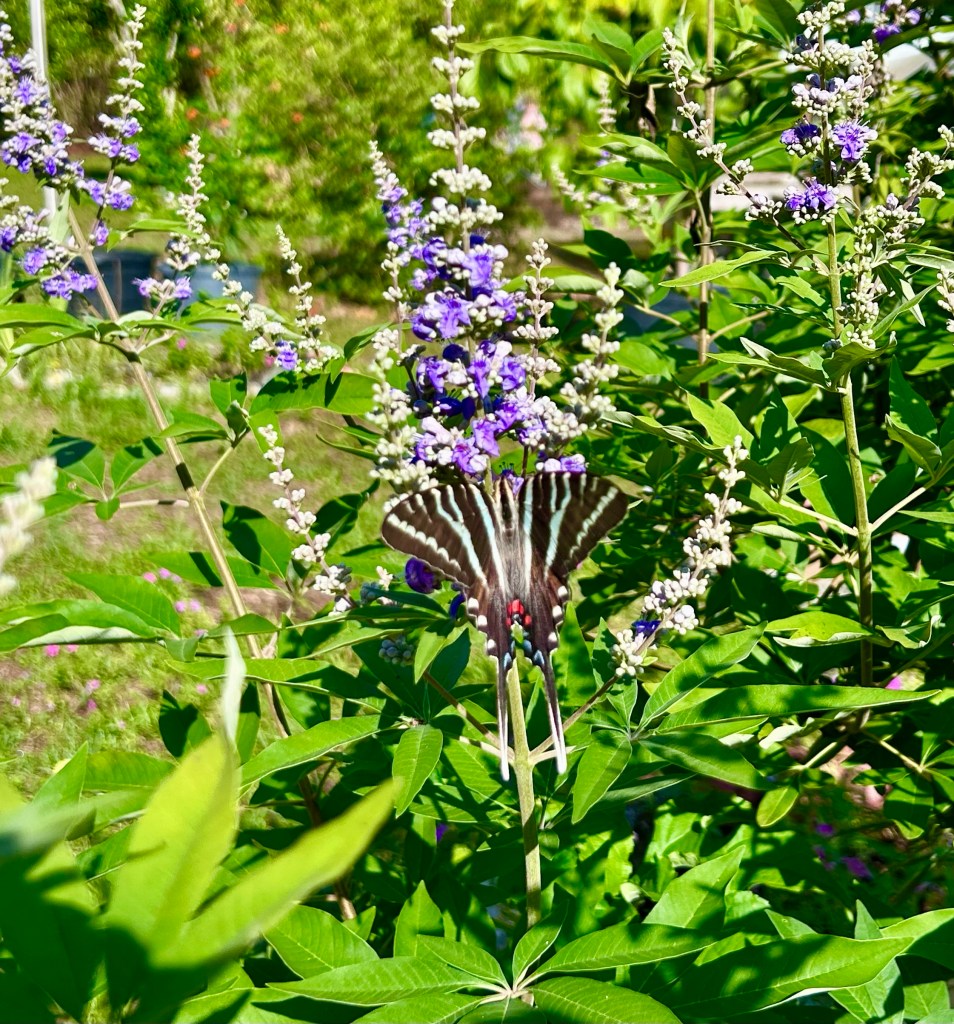
A bittersweet reality here in Florida. Highly invasive species that will steal your entire garden, BUT loved by pollinators.
I chop it down year after year after the first bloom.
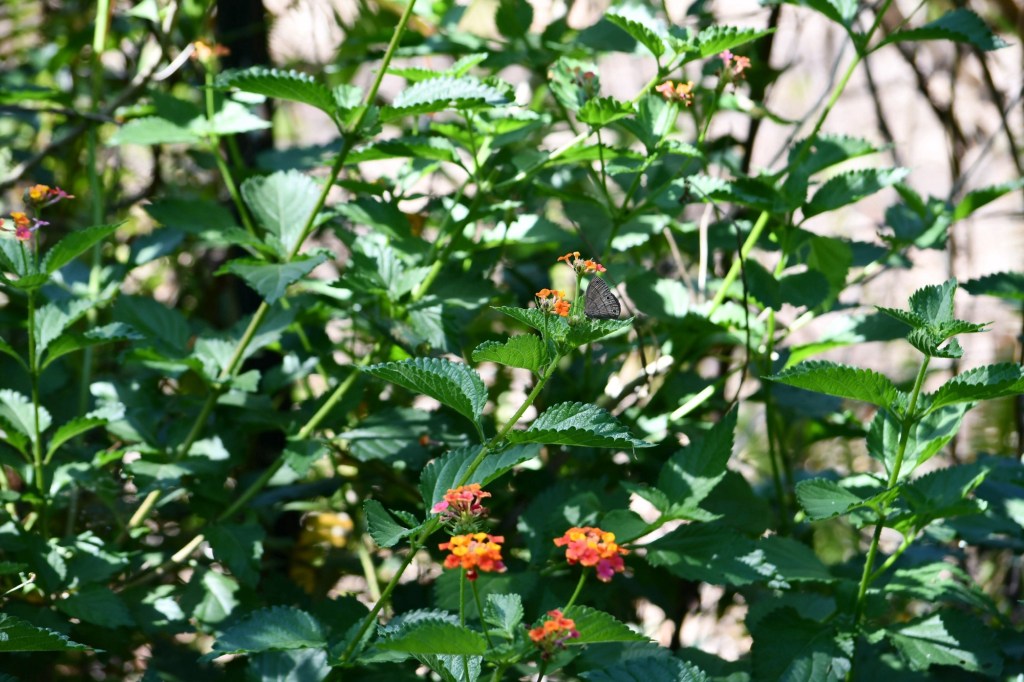
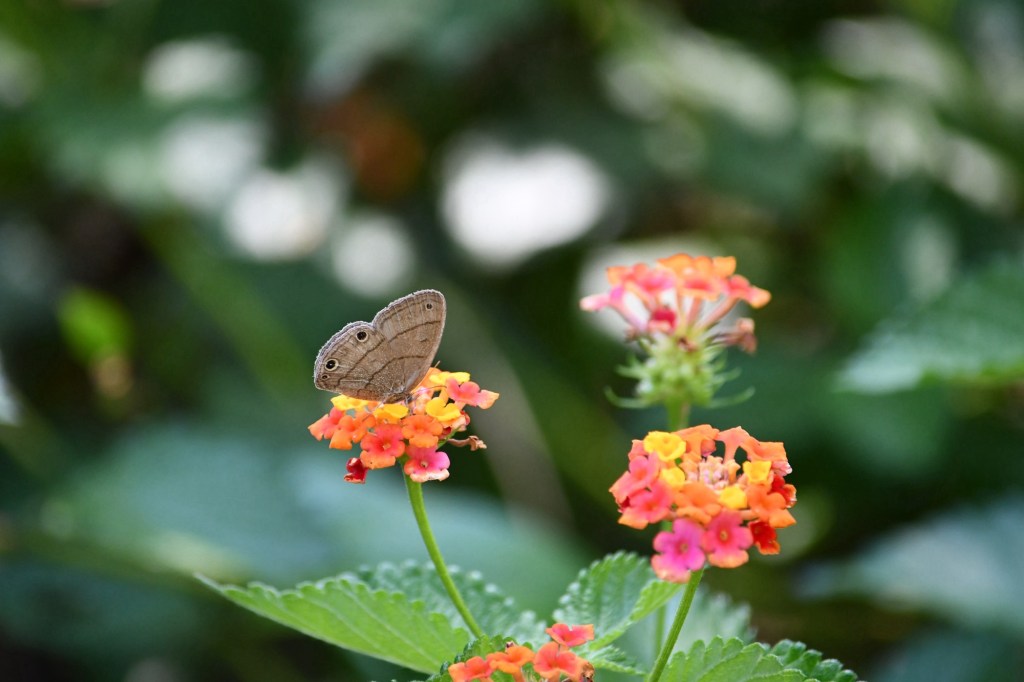
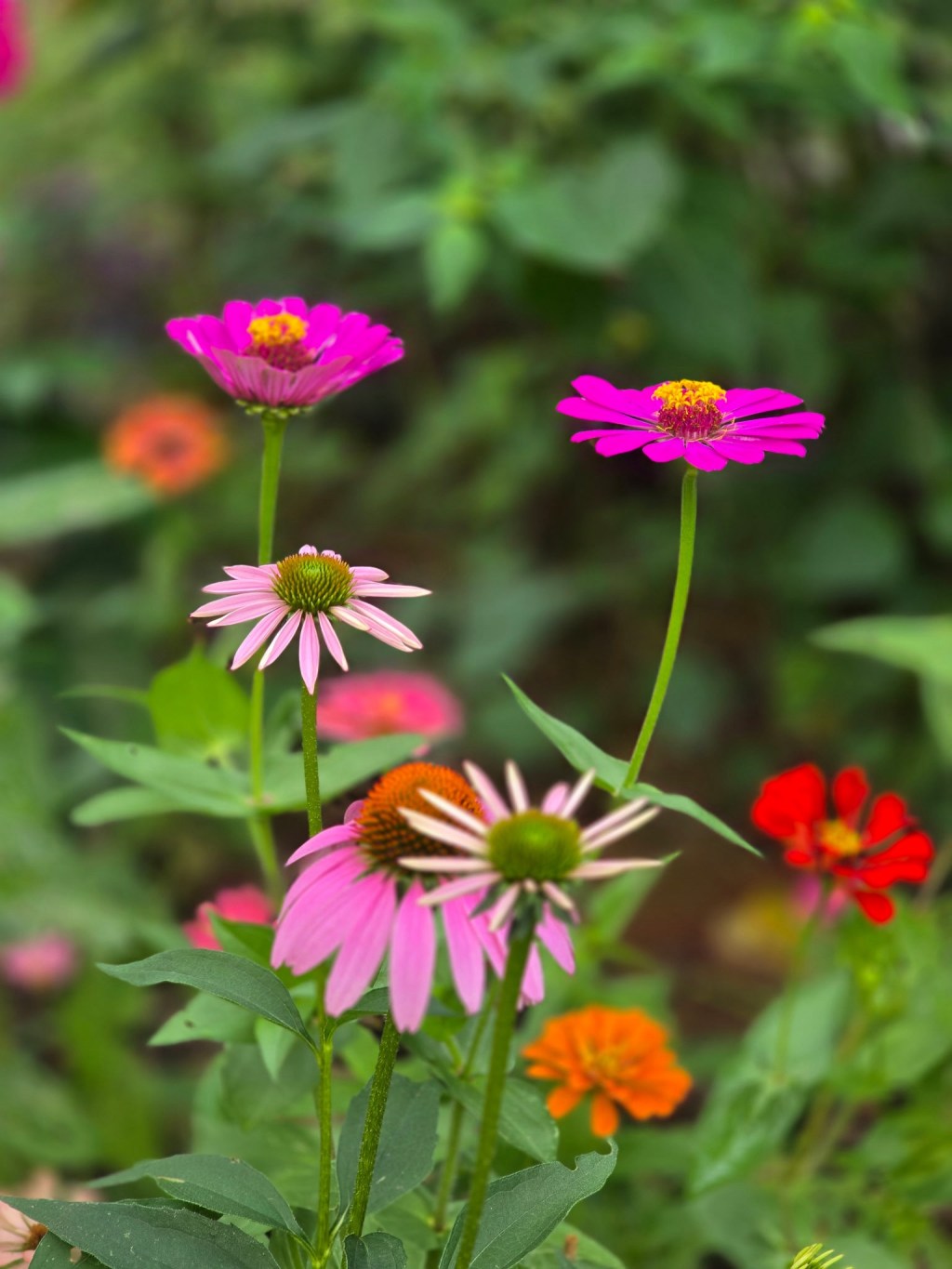
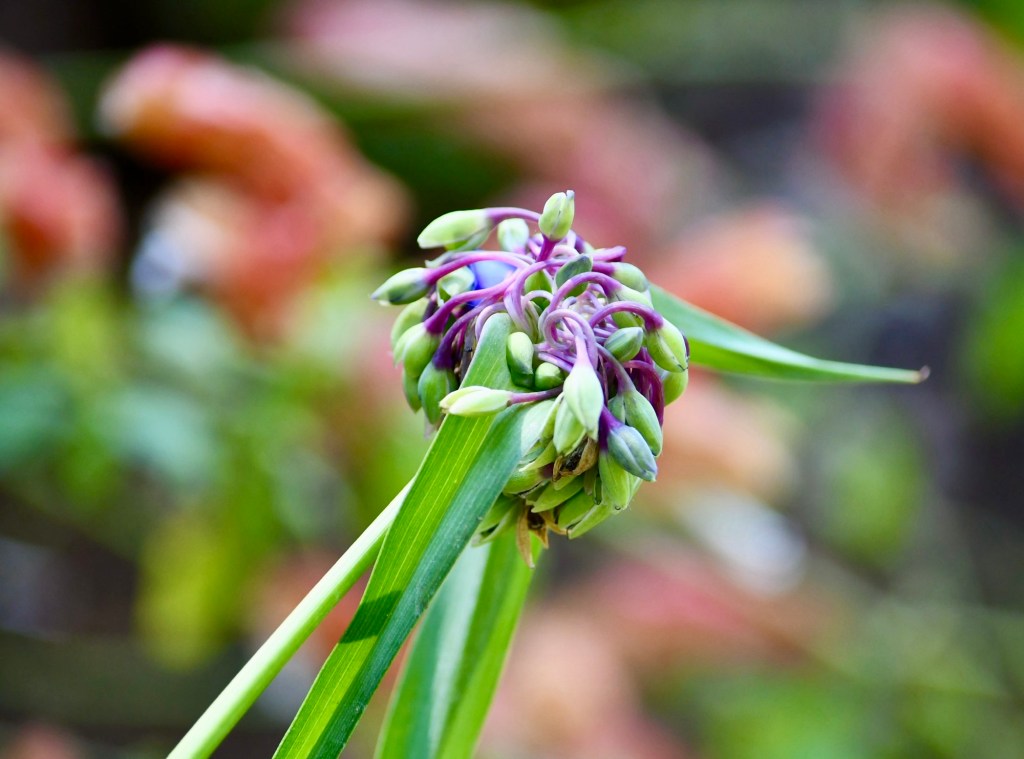
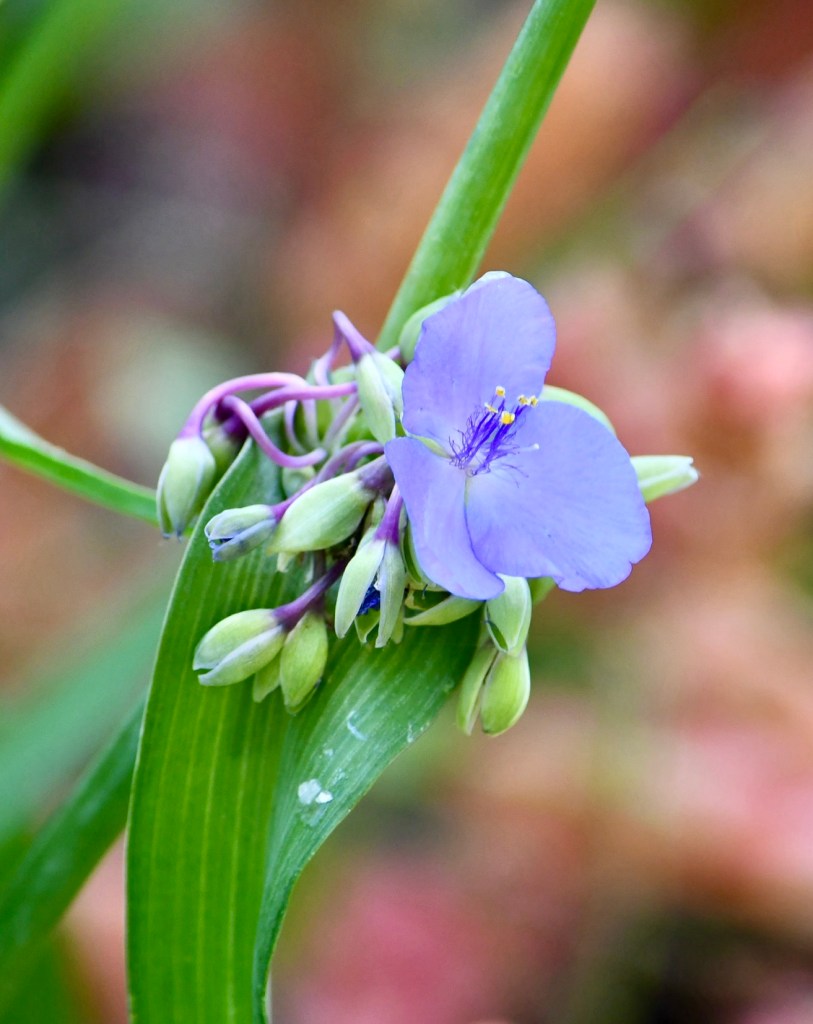
Native wildflower in Florida. They grow as volunteers at the Butterfly Dunes & bees love them.
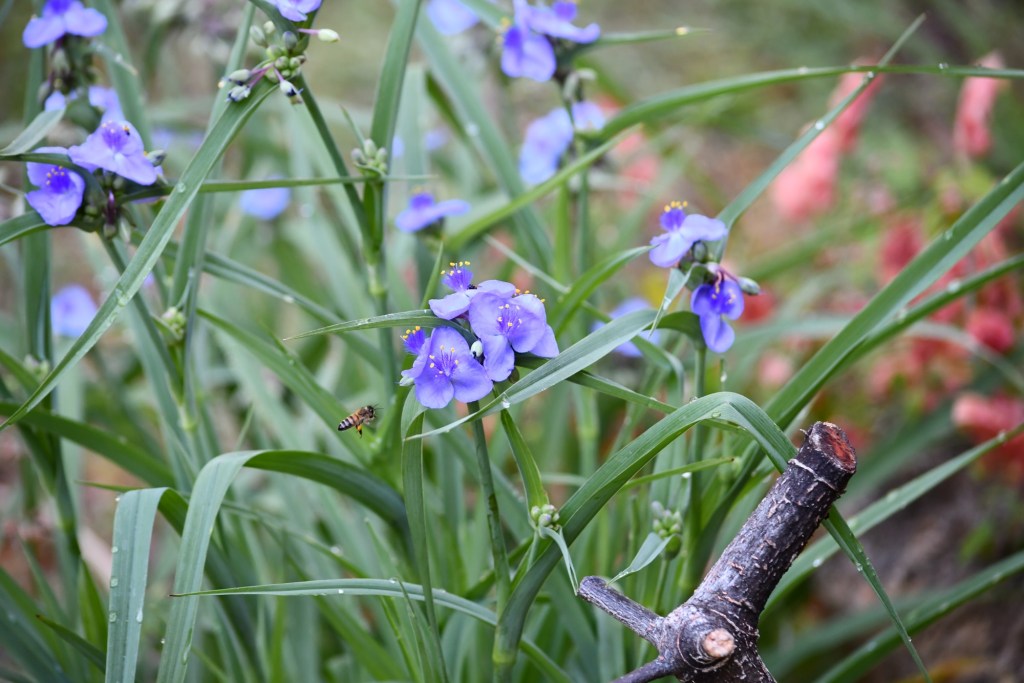
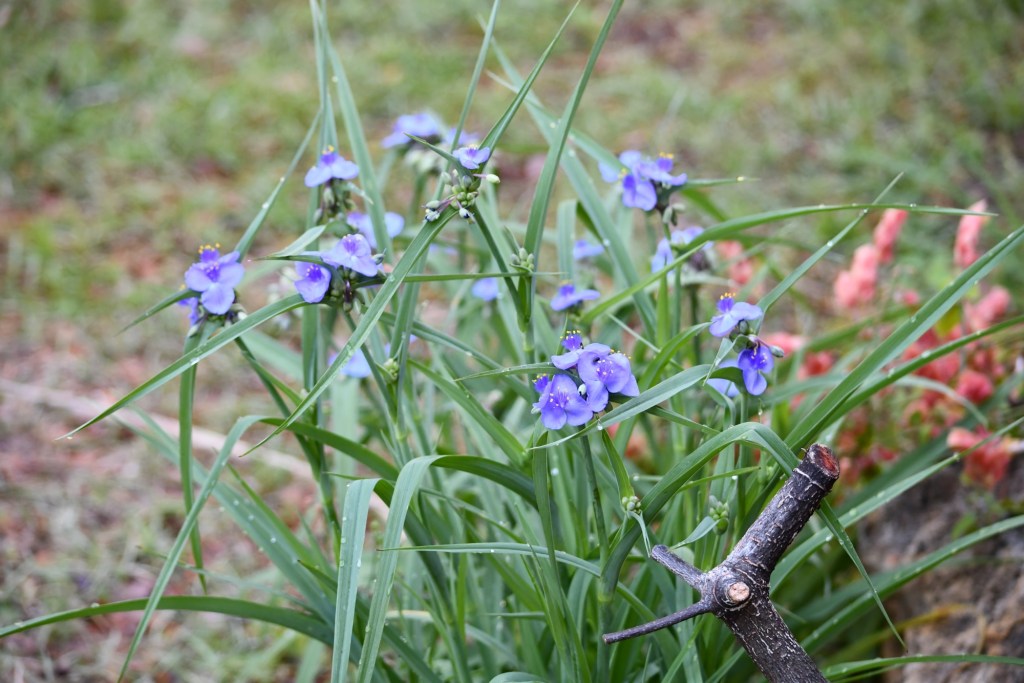
Several species are truly loving this white Pentas flower in late afternoon at the Butterfly Dunes.
“The butterfly does not look back at its caterpillar self either fondly or wistfully; it simply flies on.” —Guillermo del Toro
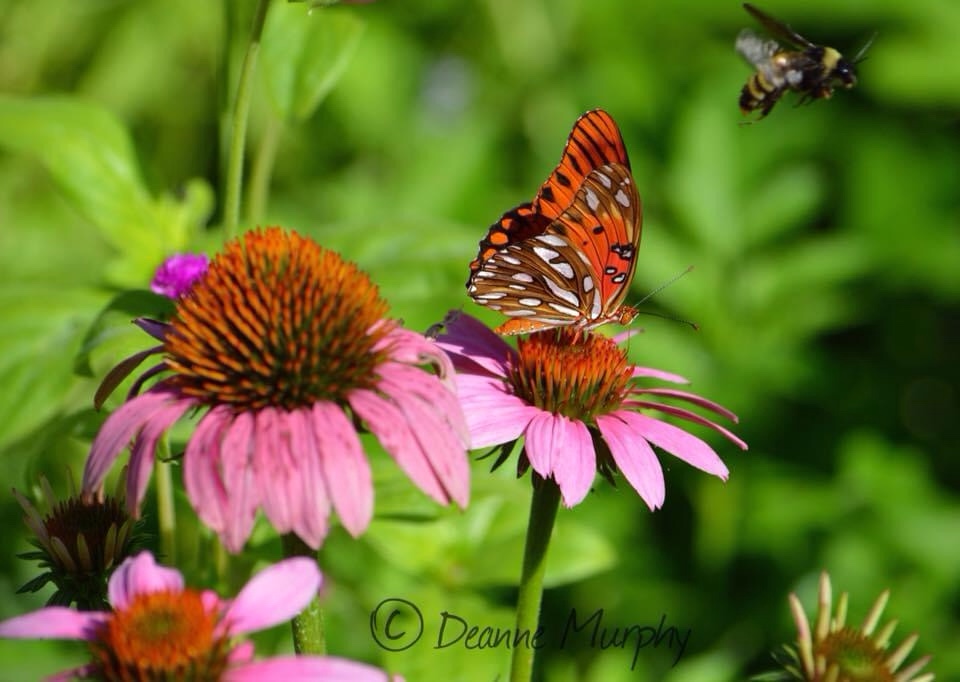
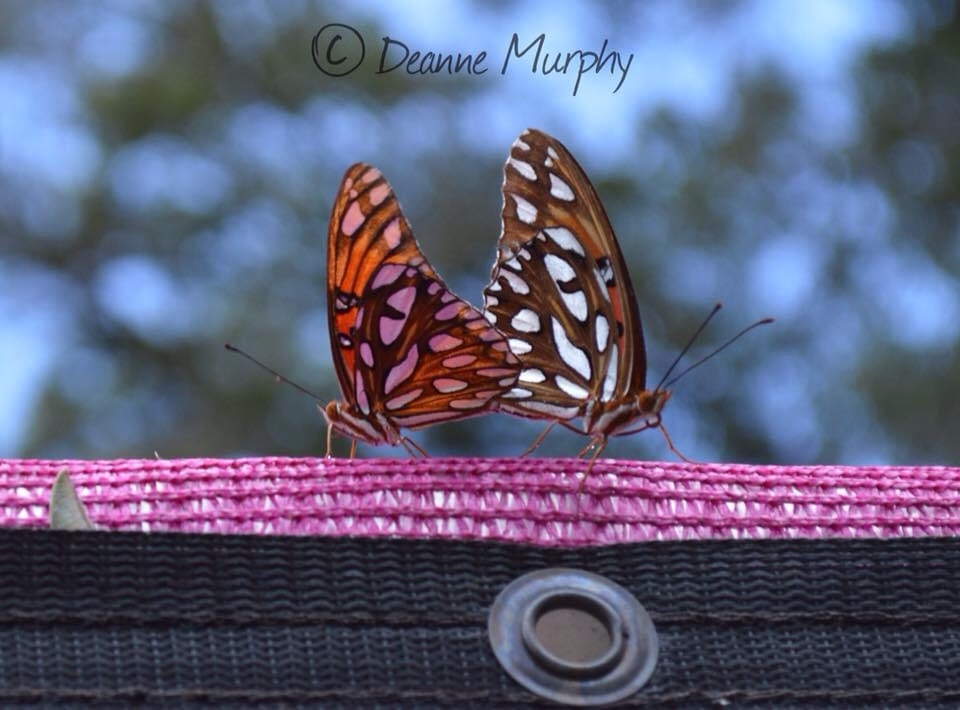
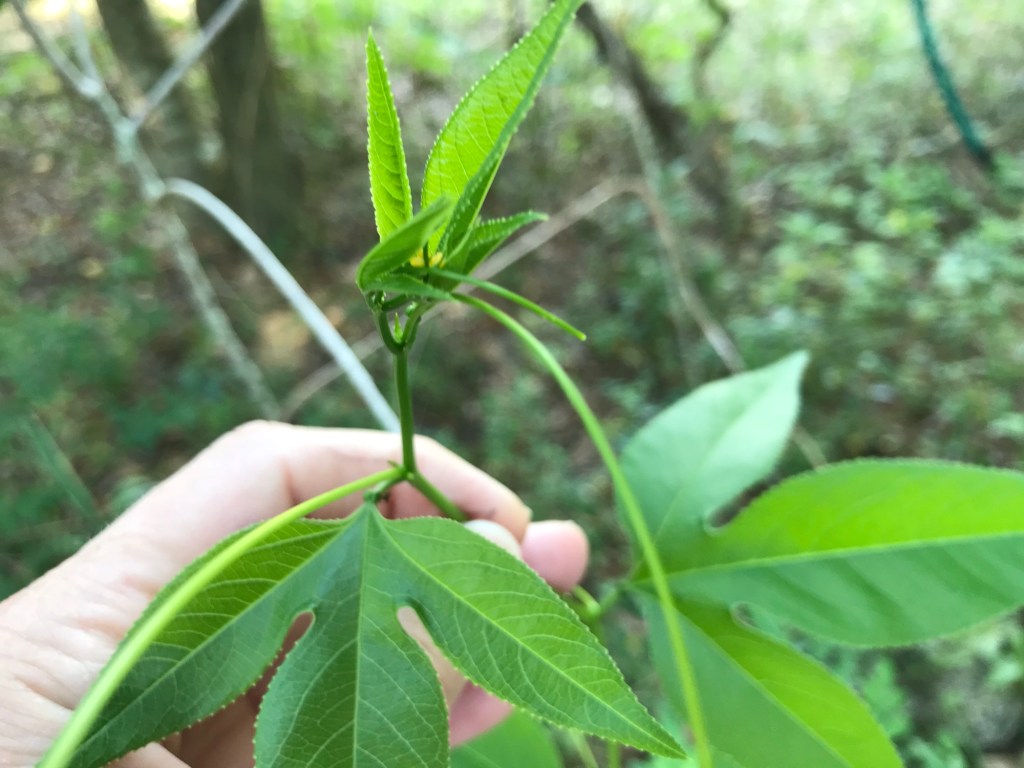
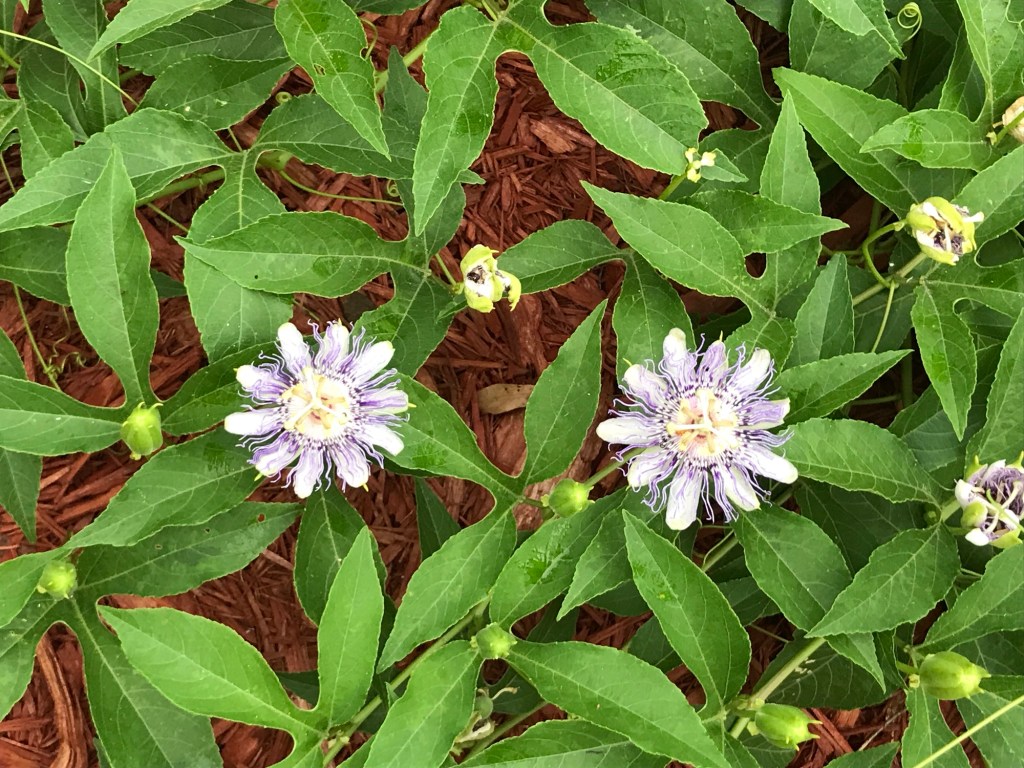
“I have no special talents. I am only passionately curious.” — Albert Einstein
“The environment is where we all meet; where we all have a mutual interest; it is the one thing all of us share” —Lady Bird Johnson.
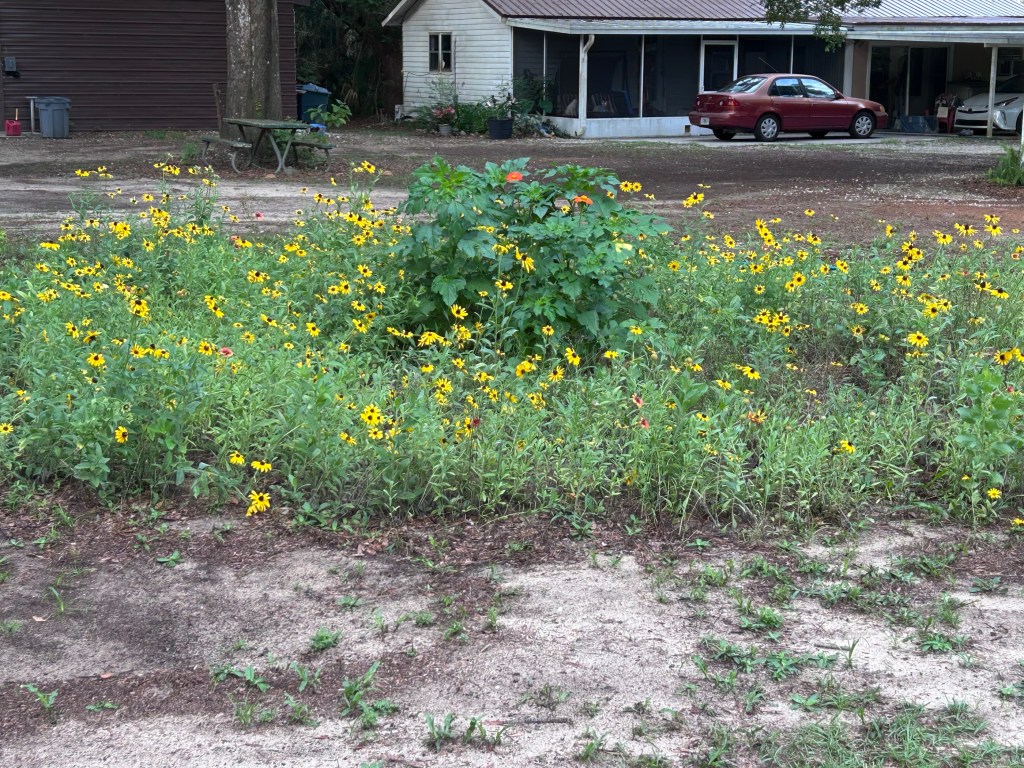
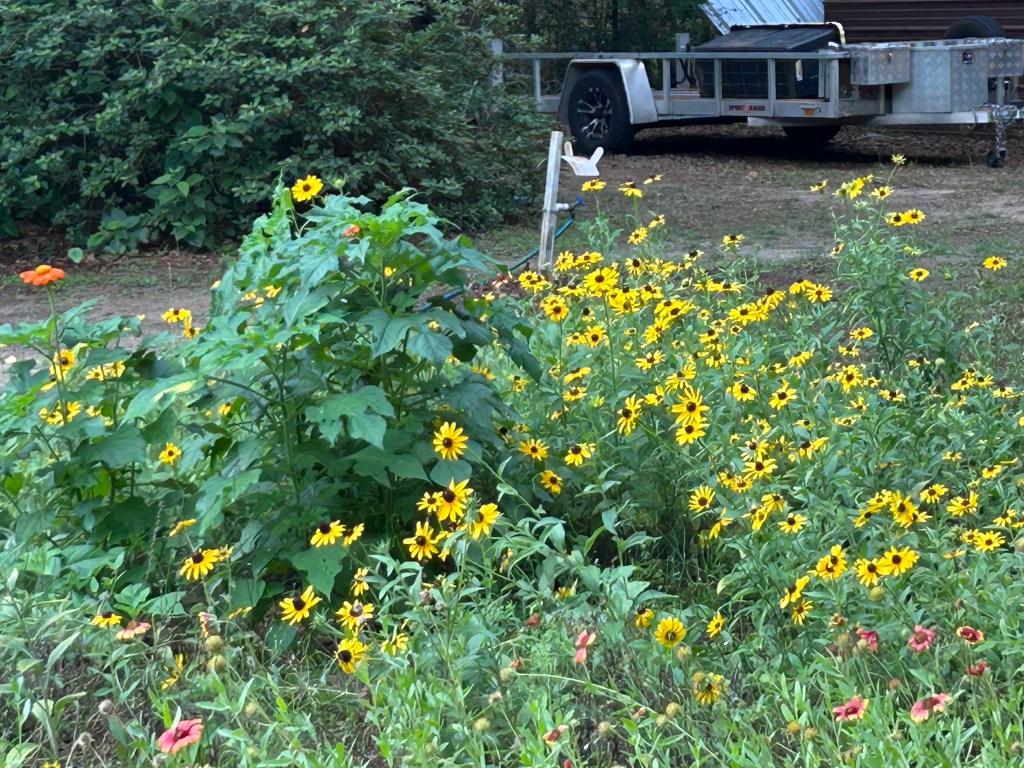
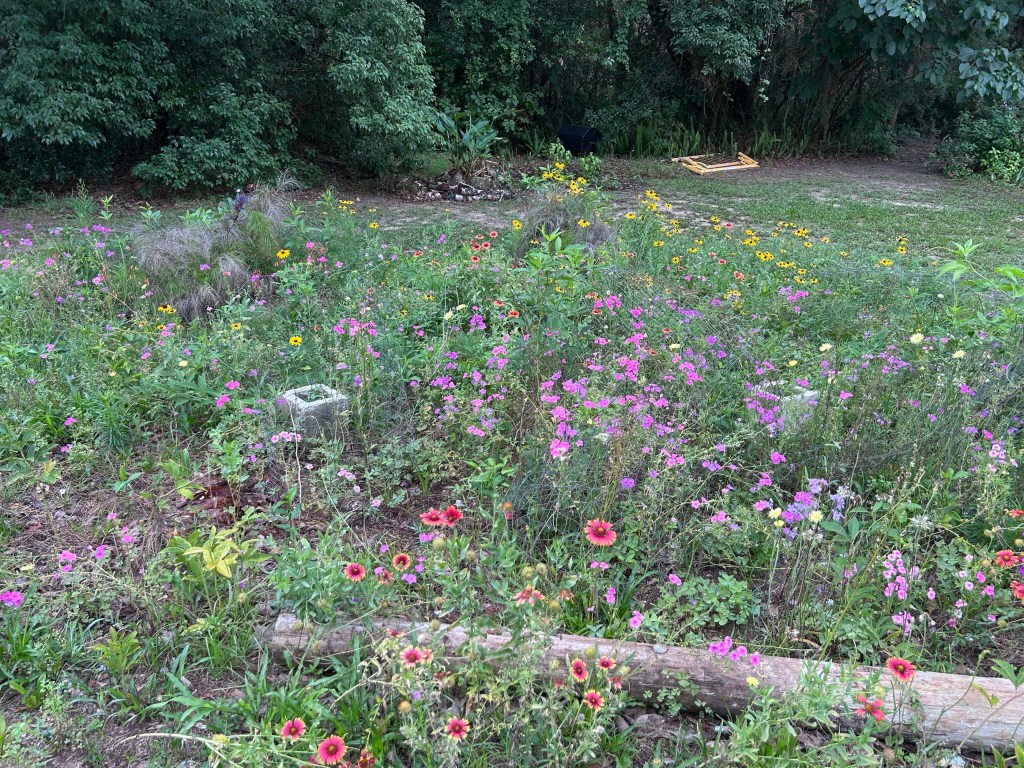
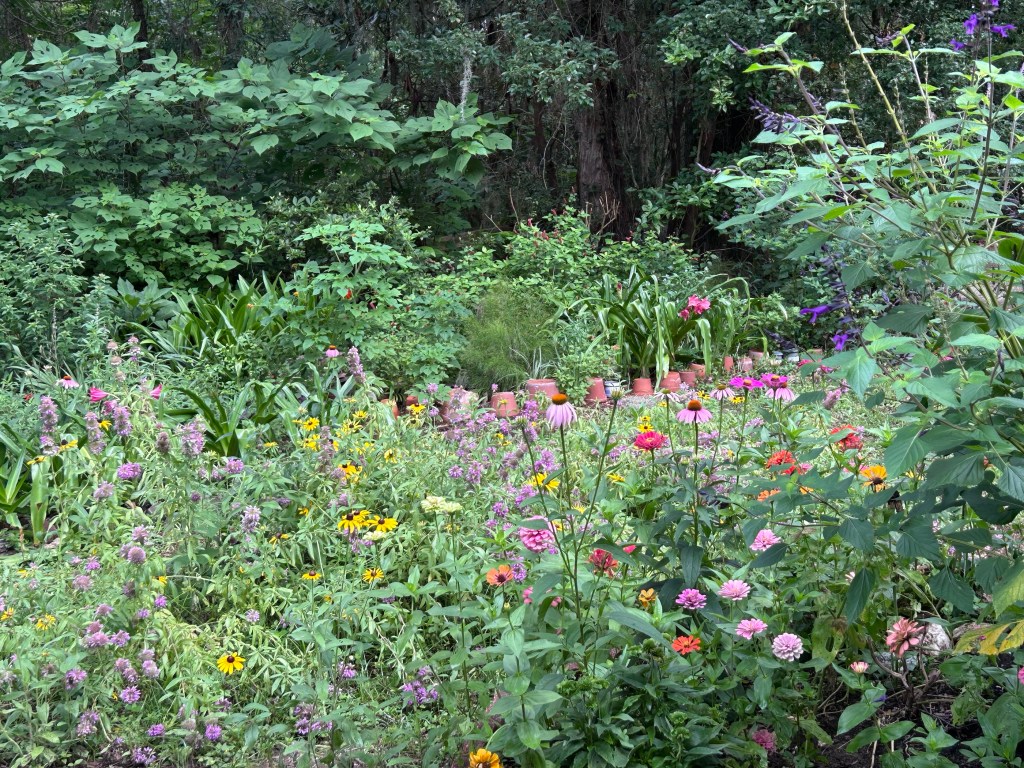
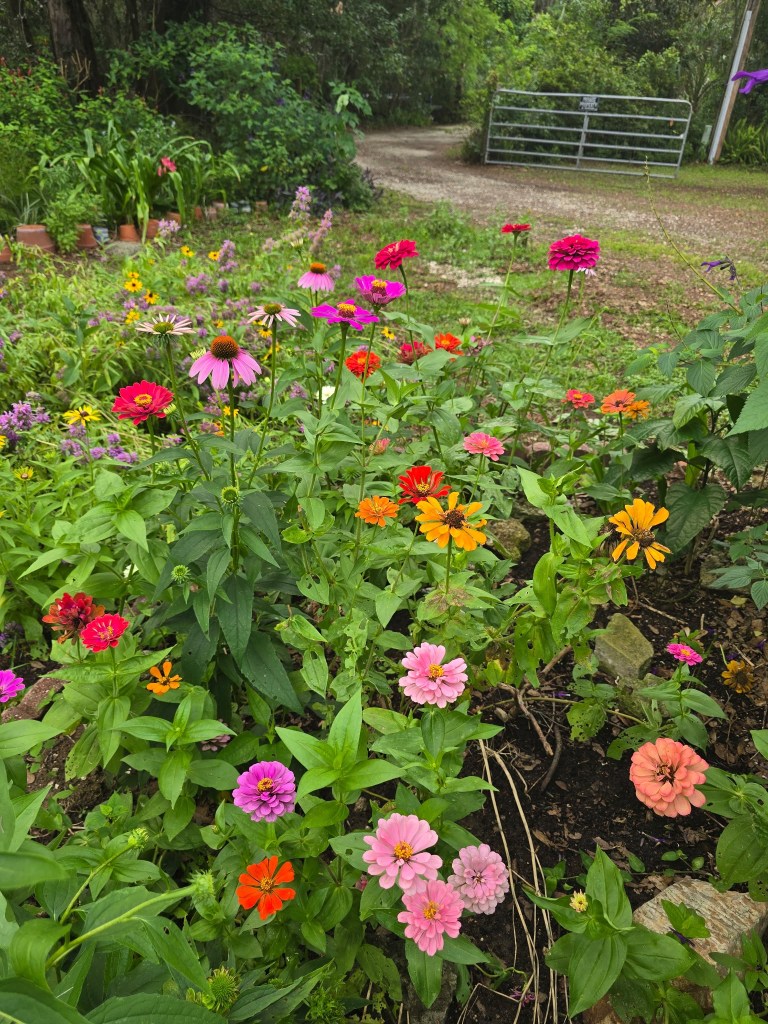
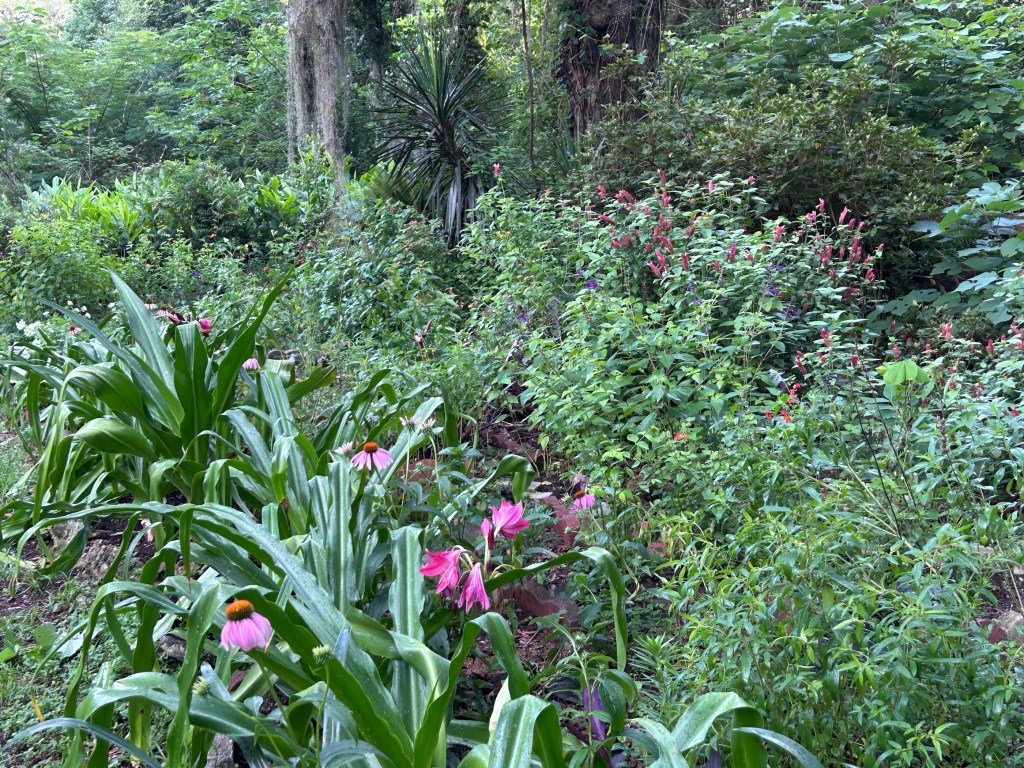
The summer rainy season has finally arrived. The heat stressed flowers are recovering and starting to bloom again. Just a sample of some of the current flowers.
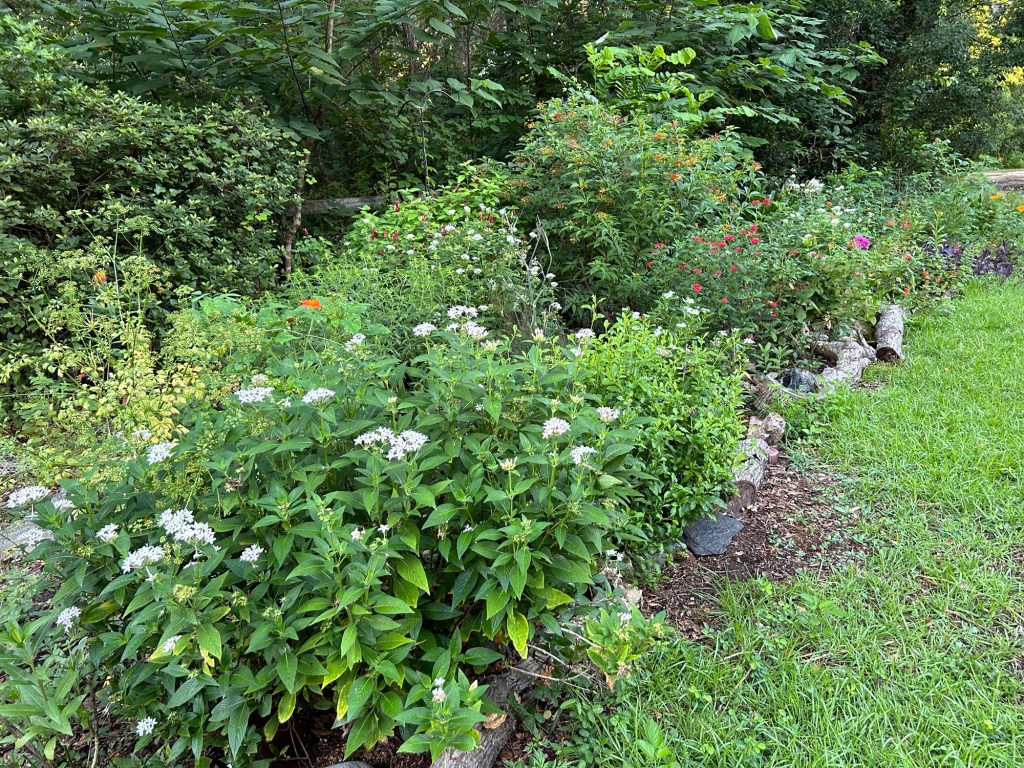
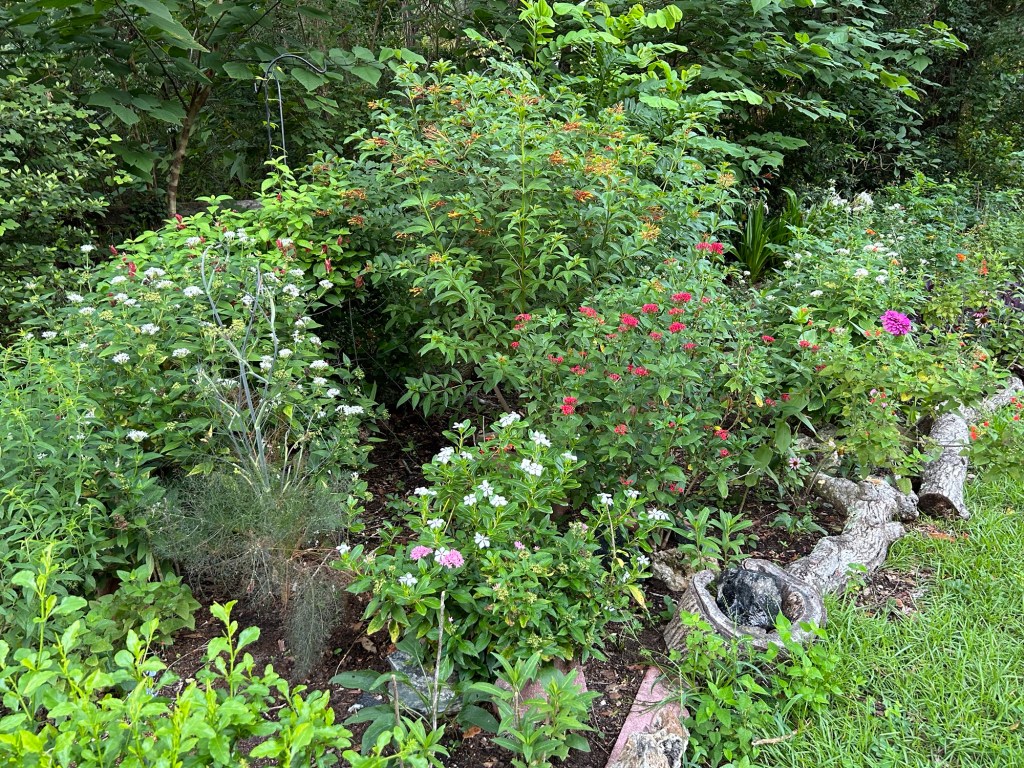
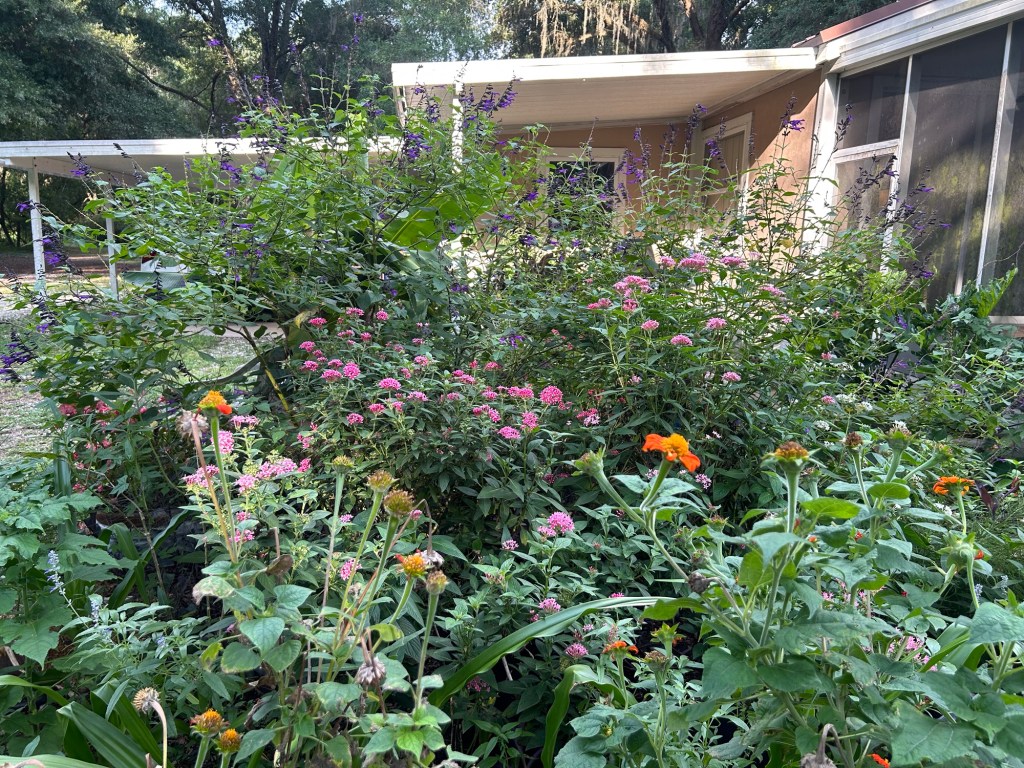
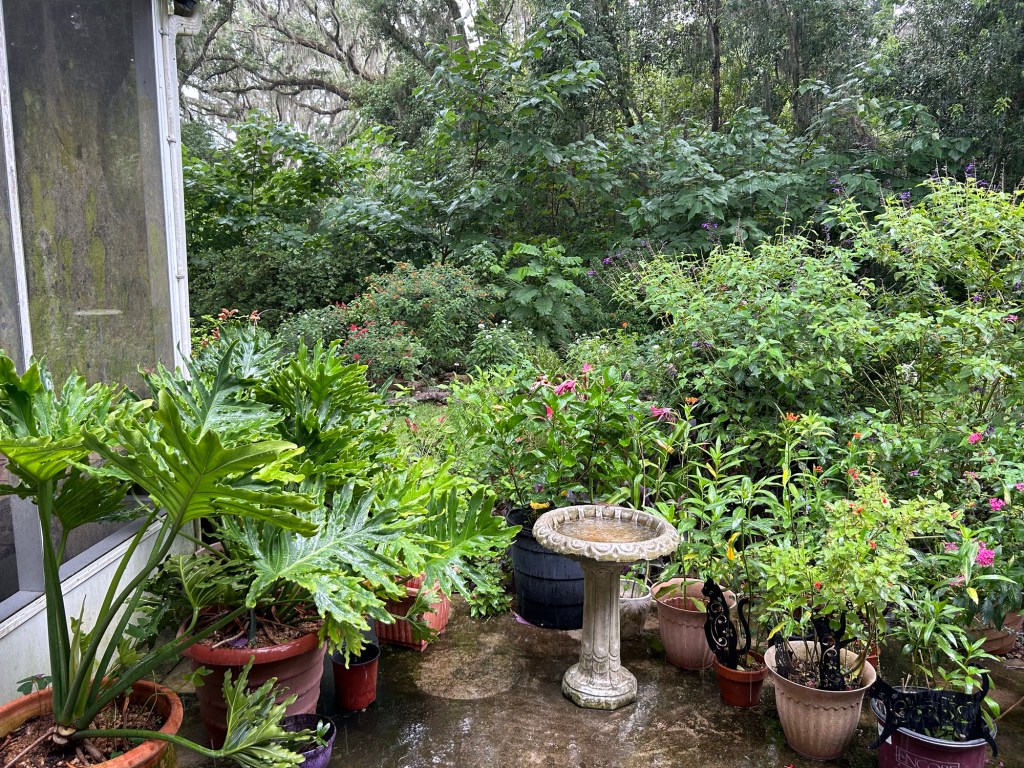
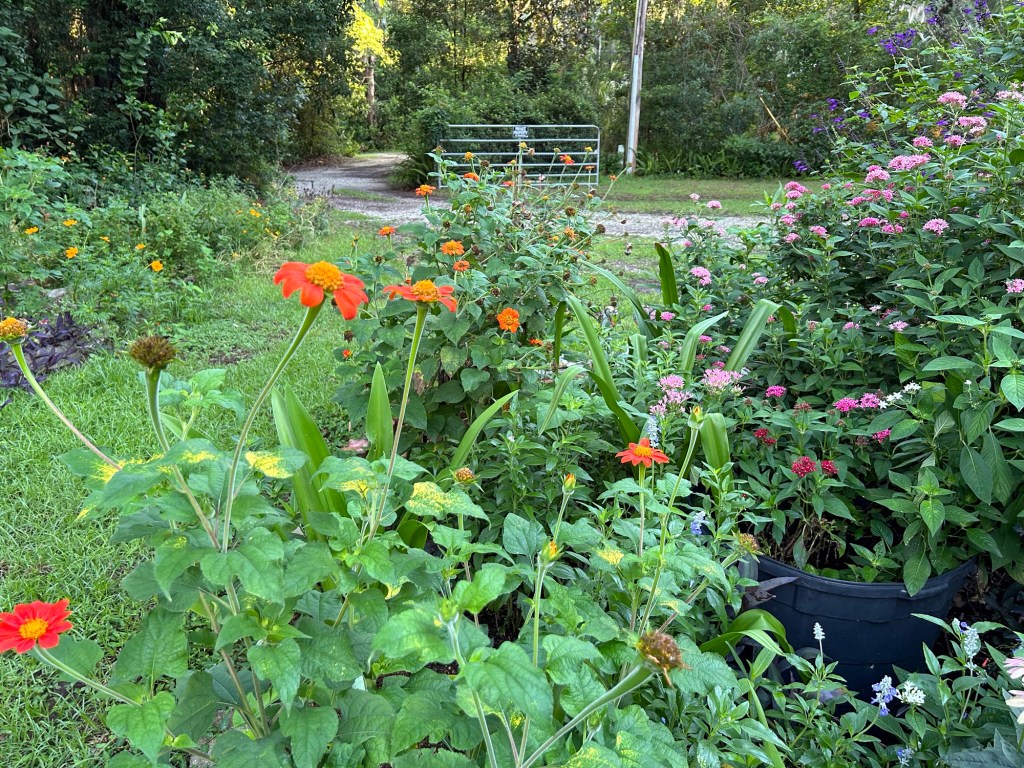
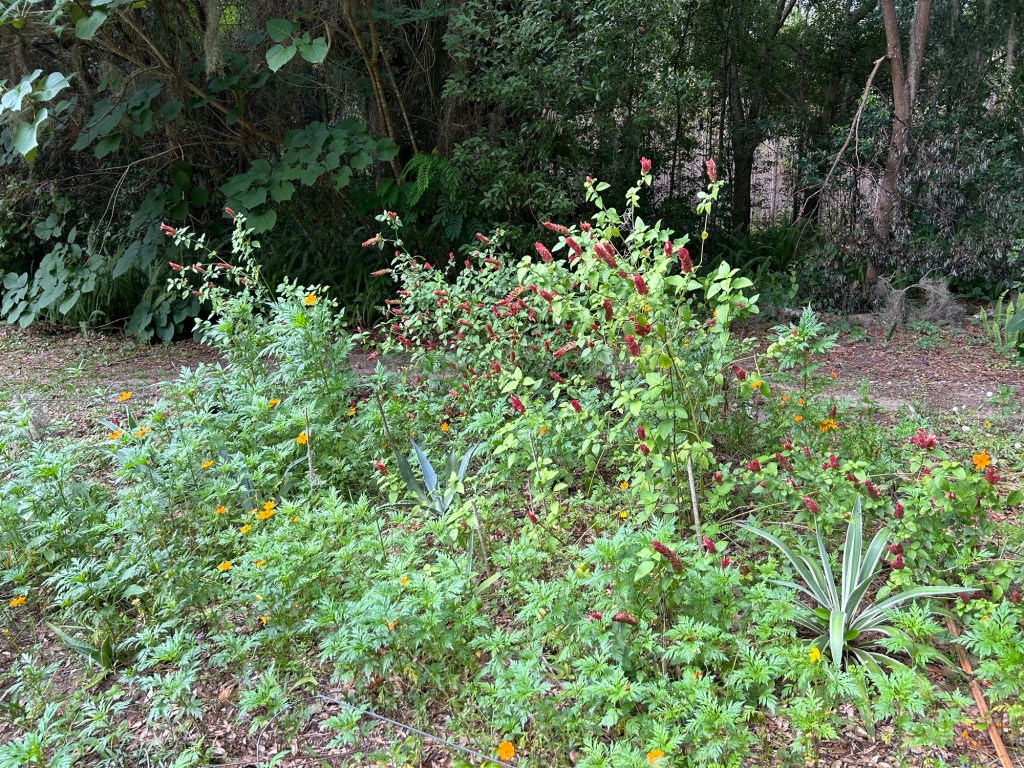
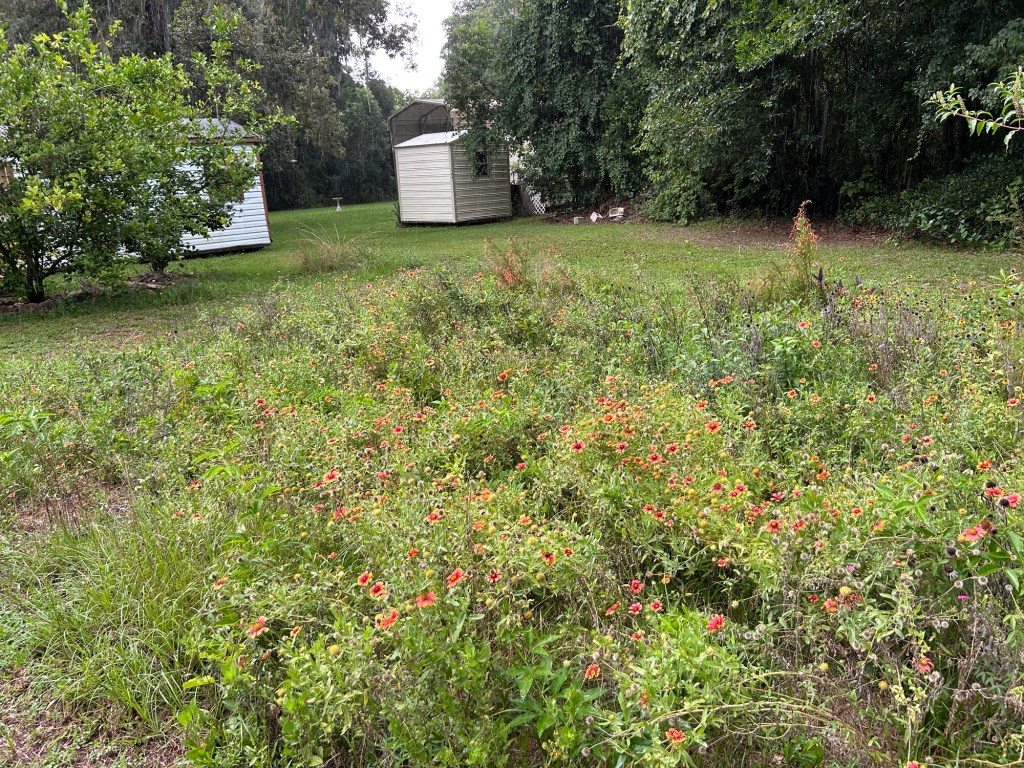
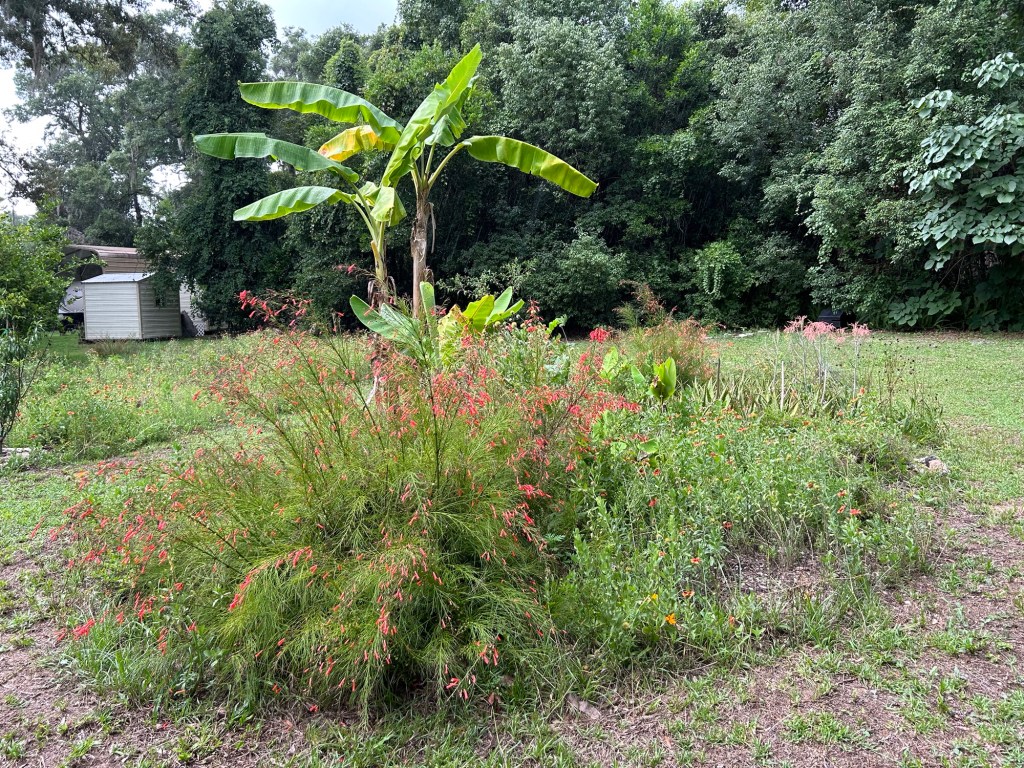
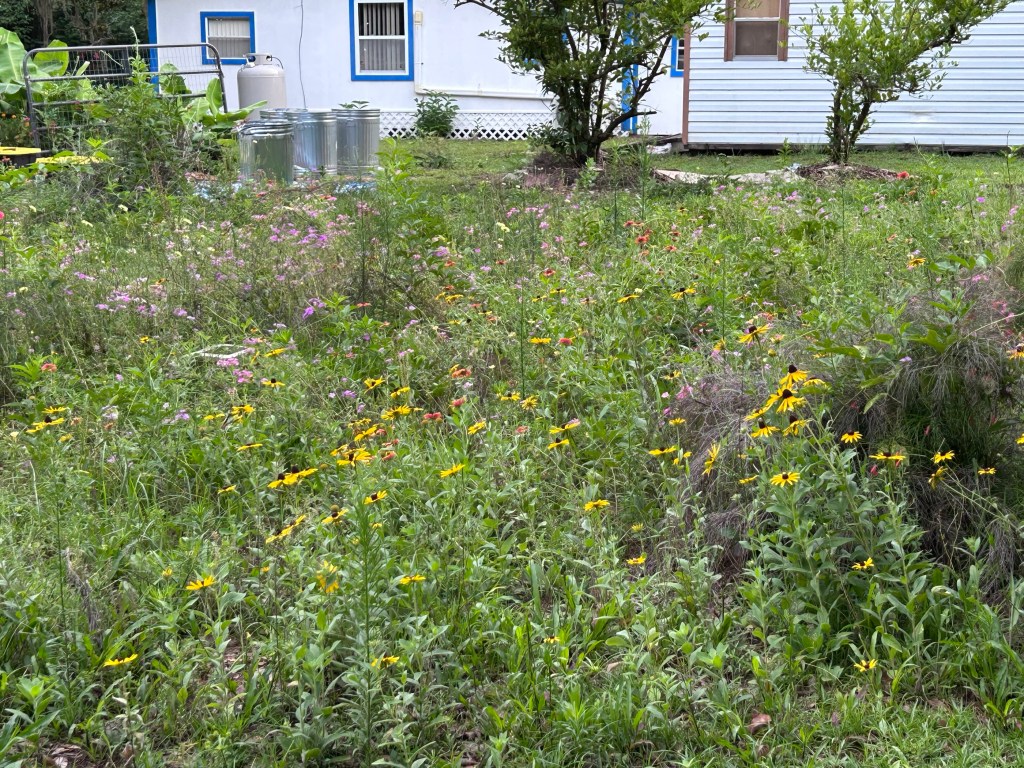
Banana tree surrounded by wildflowers.
Papilio glaucus
“’Just living isn’t enough,’ said the butterfly, ‘one must have sunshine, freedom and a little flower.’” — Hans Christian Anderson
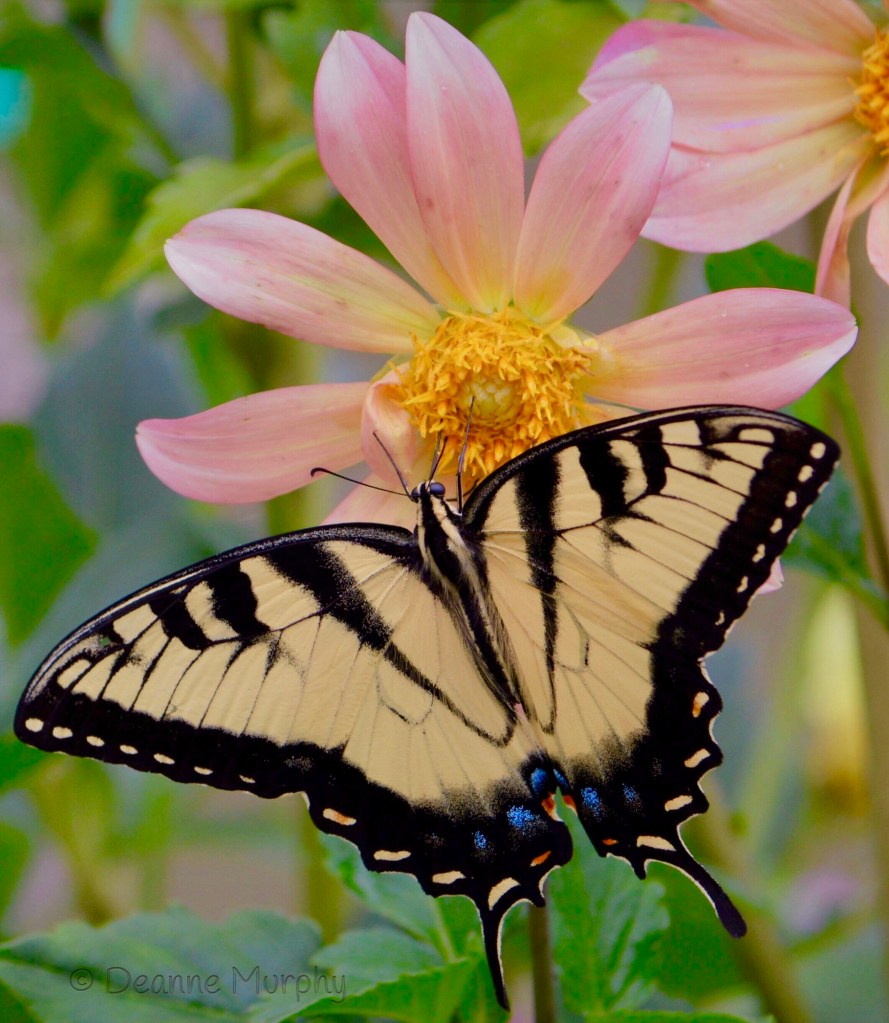
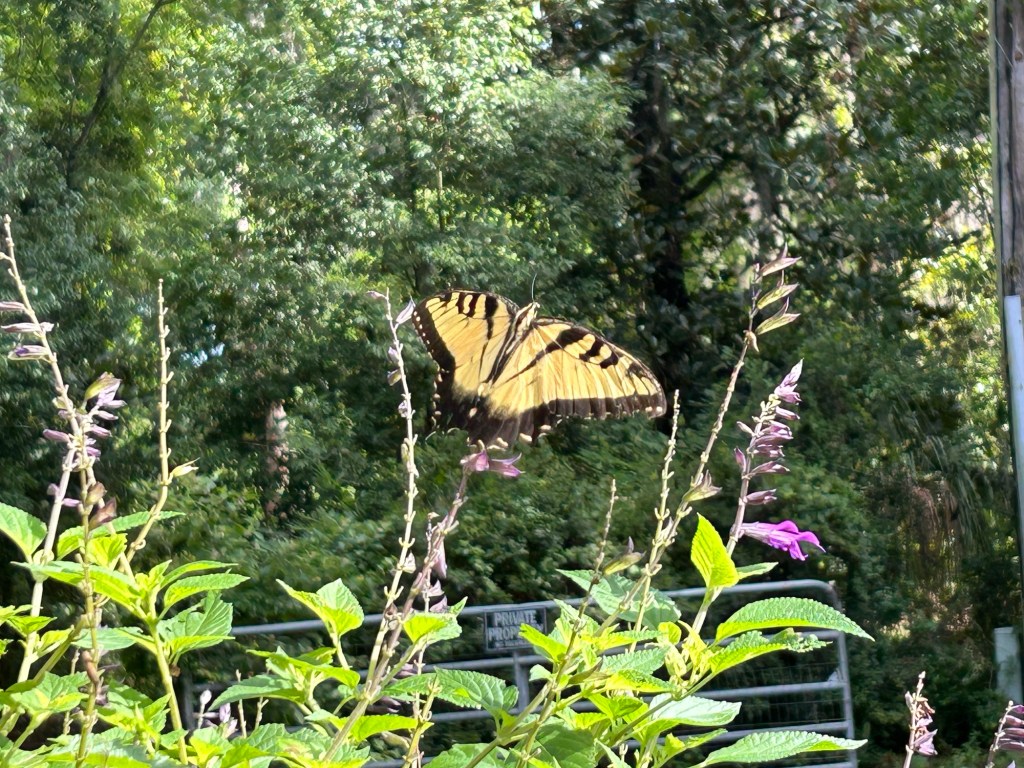
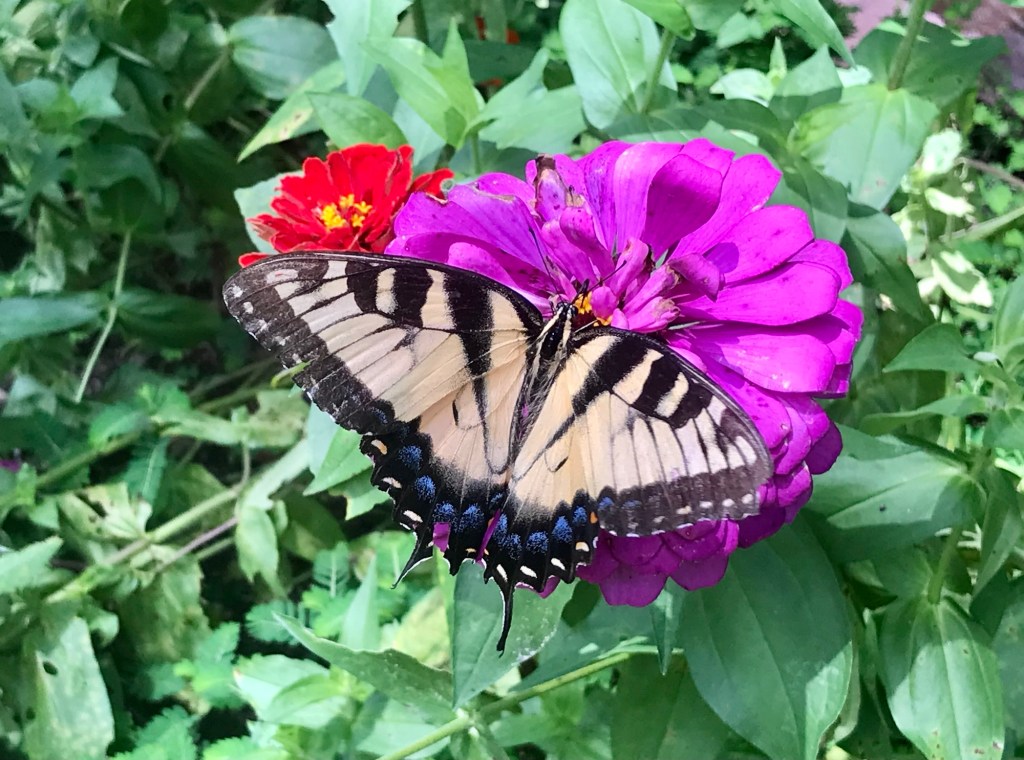
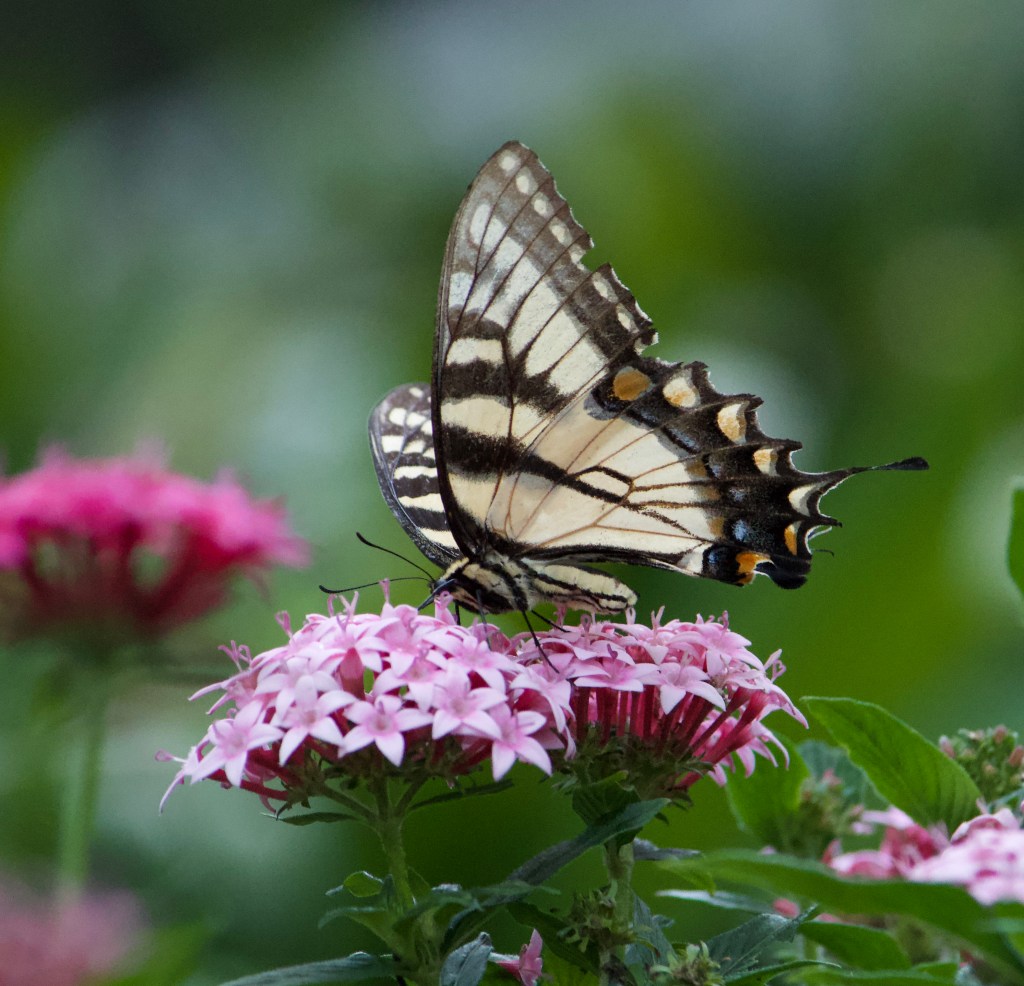
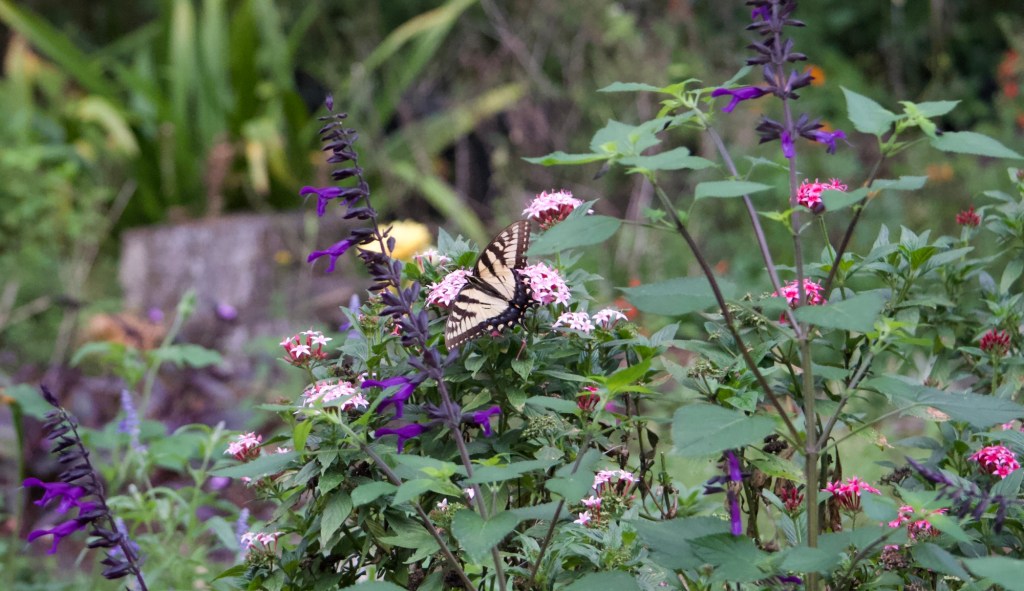
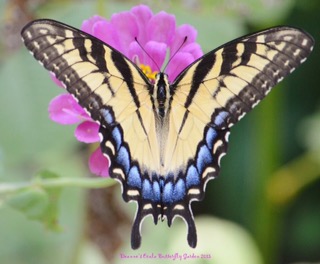
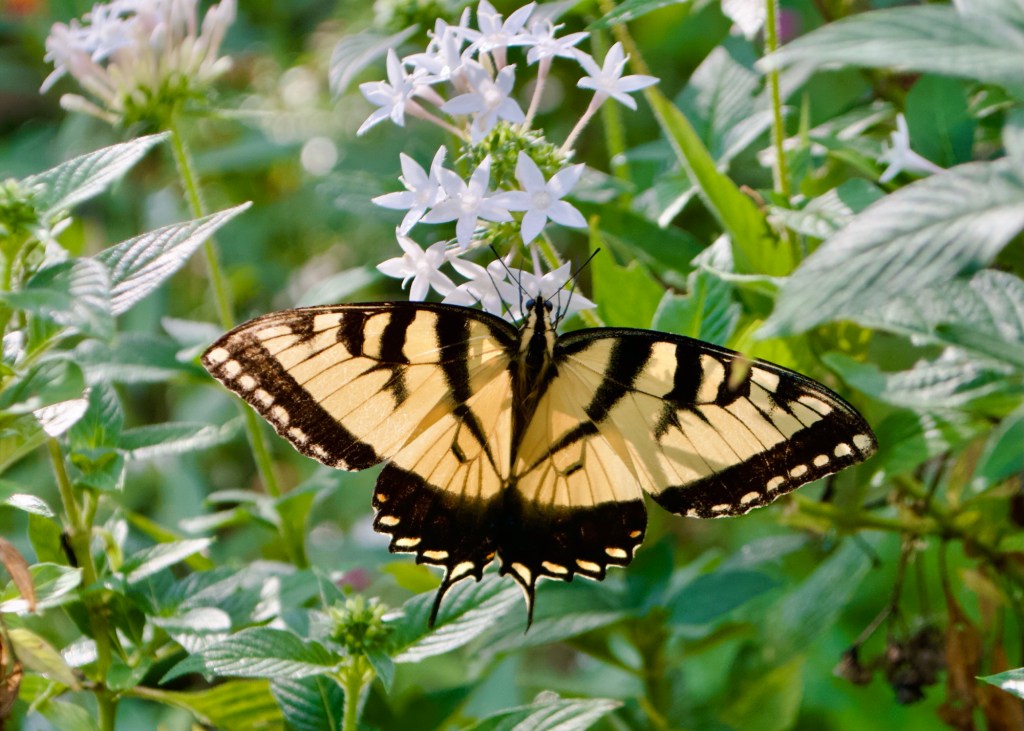
The Eastern Tiger Swallowtails visit the Butterfly Dunes often, though their larval host plants are not grown on the property but do exist in areas around the property. These include the wild black cherry and sweet bay Magnolia trees.
No caterpillar has been found to date. Since their host plant is usually a tree, they may be too high to find.
“If nothing ever changed, there would be no such things as butterflies.” — Wendy Mass

“’Just living isn’t enough,’ said the butterfly, ‘one must have sunshine, freedom and a little flower.’” — Hans Christian Anderson
Papilio polyxenes
“Don’t waste your time chasing butterflies. Mend your garden, and the butterflies will come.”— Mario Quintana
”Whenever you are creating beauty around you, you are restoring your own soul.”—Alice Walker
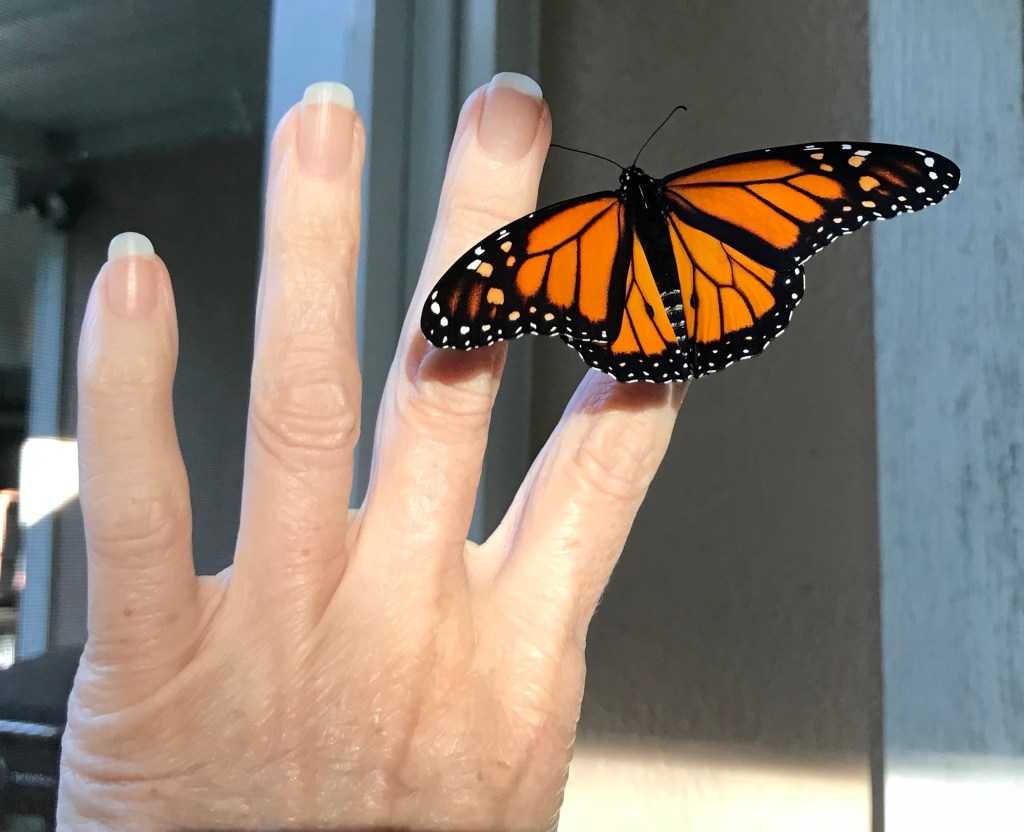
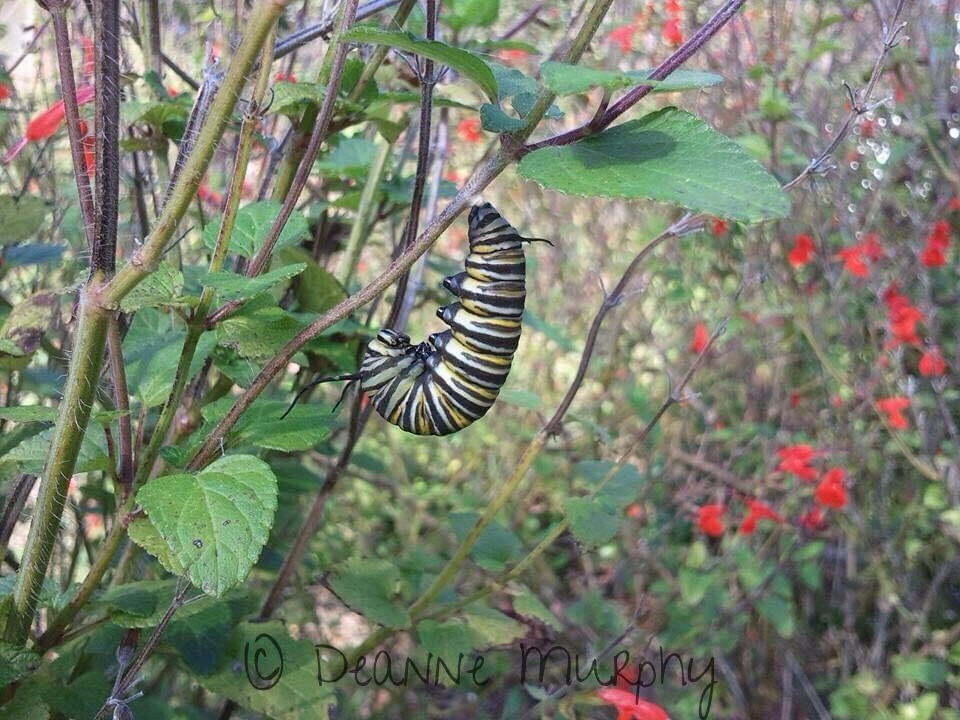
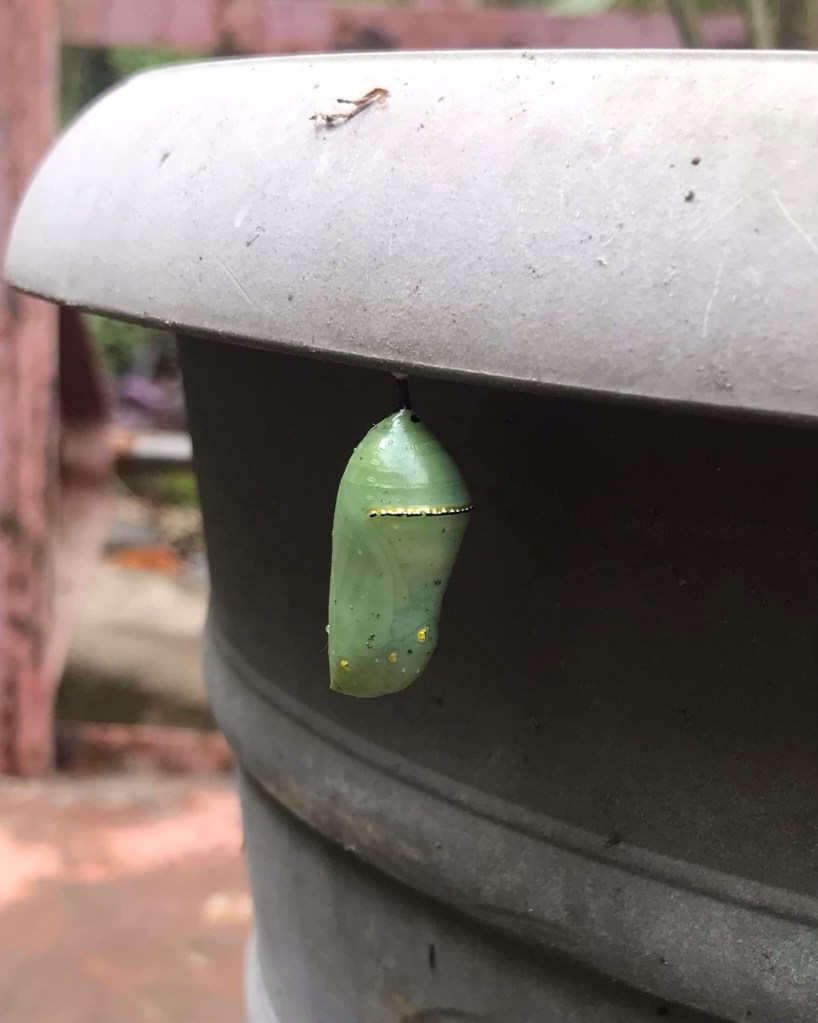
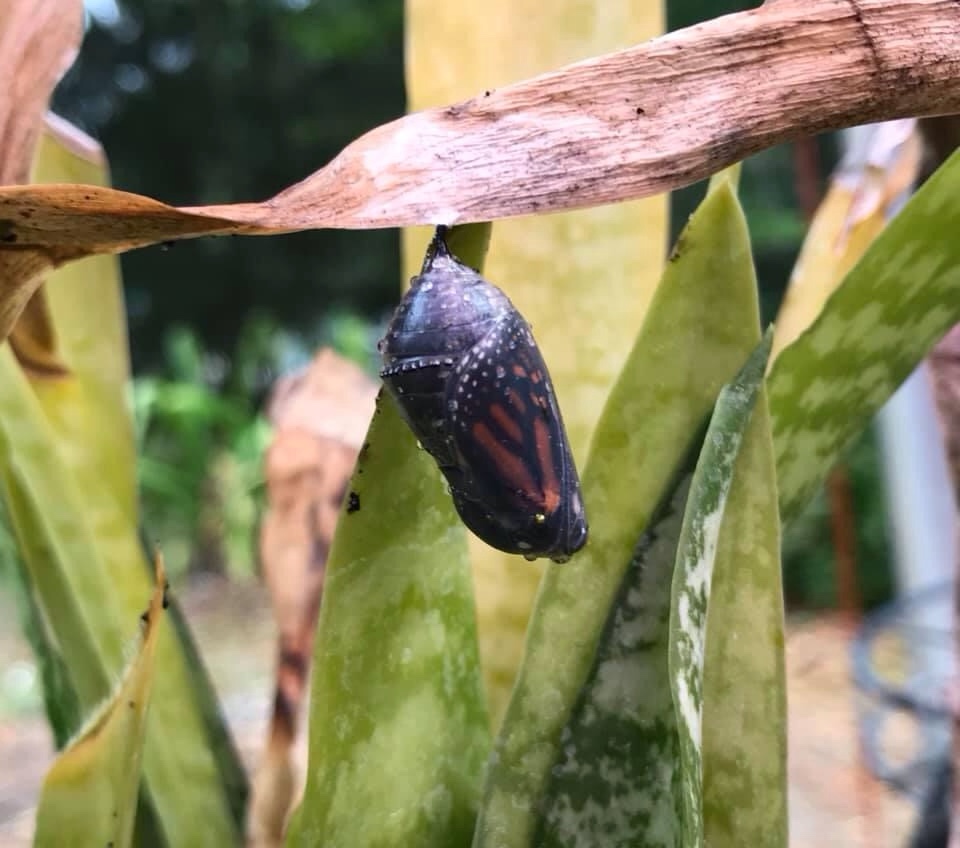
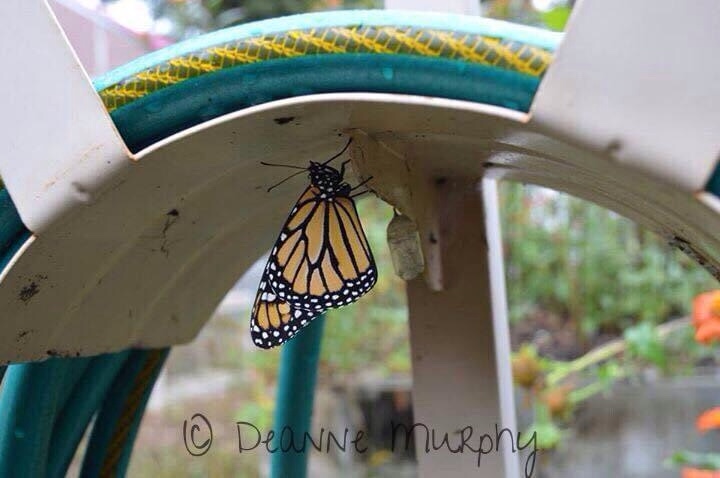
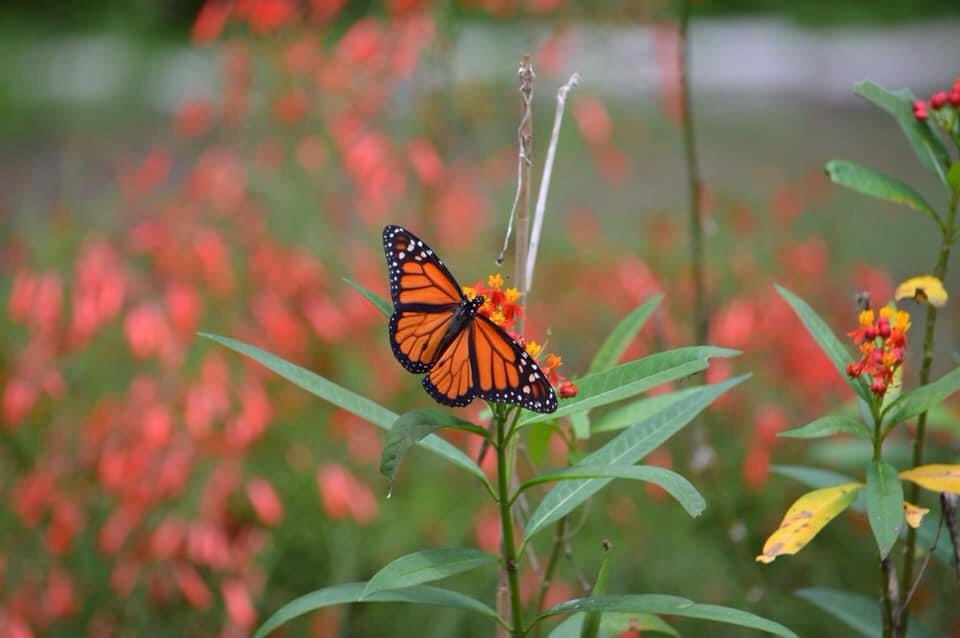
Danaus plexippus
“The caterpillar does all the work, but the butterfly gets all the publicity.” –George Carlin
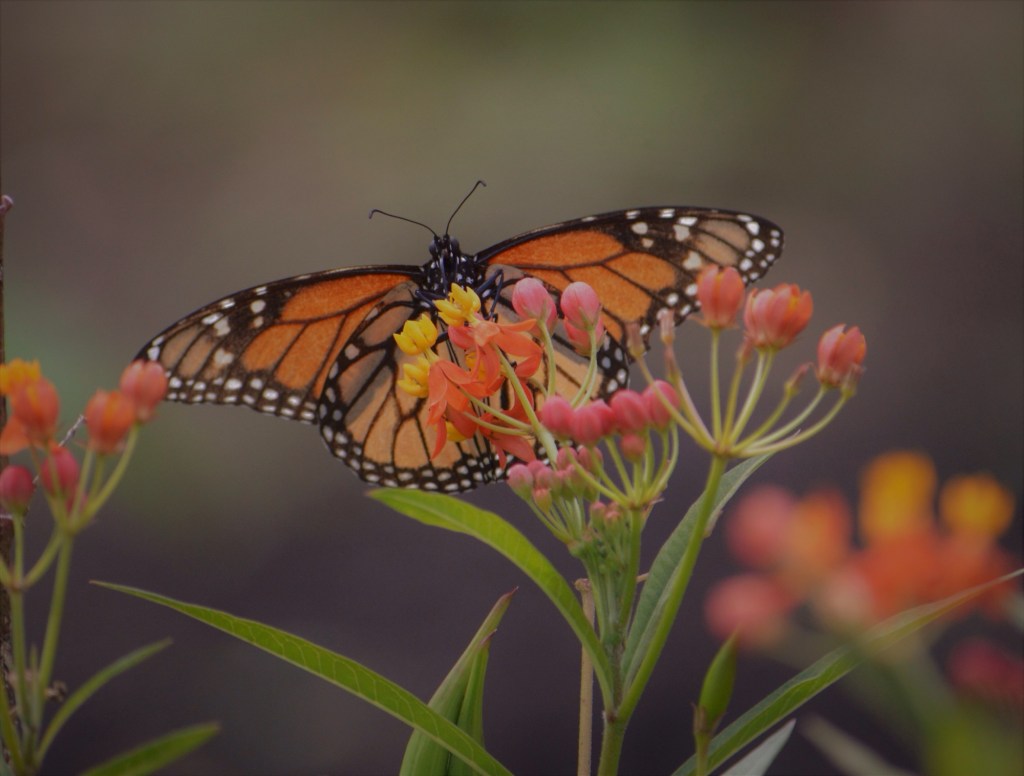
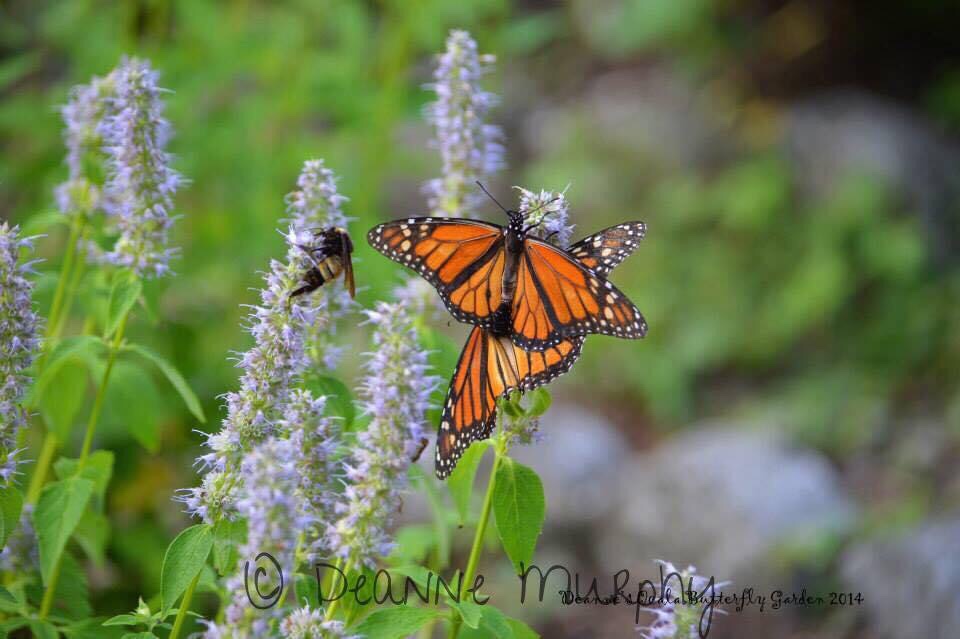
The monarch butterfly is one of the most familiar of North American butterflies. This amazing creature is famous for its annual migration pattern on both the East and West sides of the North American Rocky Mountains. Migration patterns have been studied for years and received much attention due to dwindling populations due to habitat loss from deforestation and logging, as well as agricultural practices and urban sprawl across its summer breeding grounds and overwintering locations. There have been many books and internet sites that delve into much more detail of the monarch. Listed at the bottom of this post are worthy internet sites to read more about them.
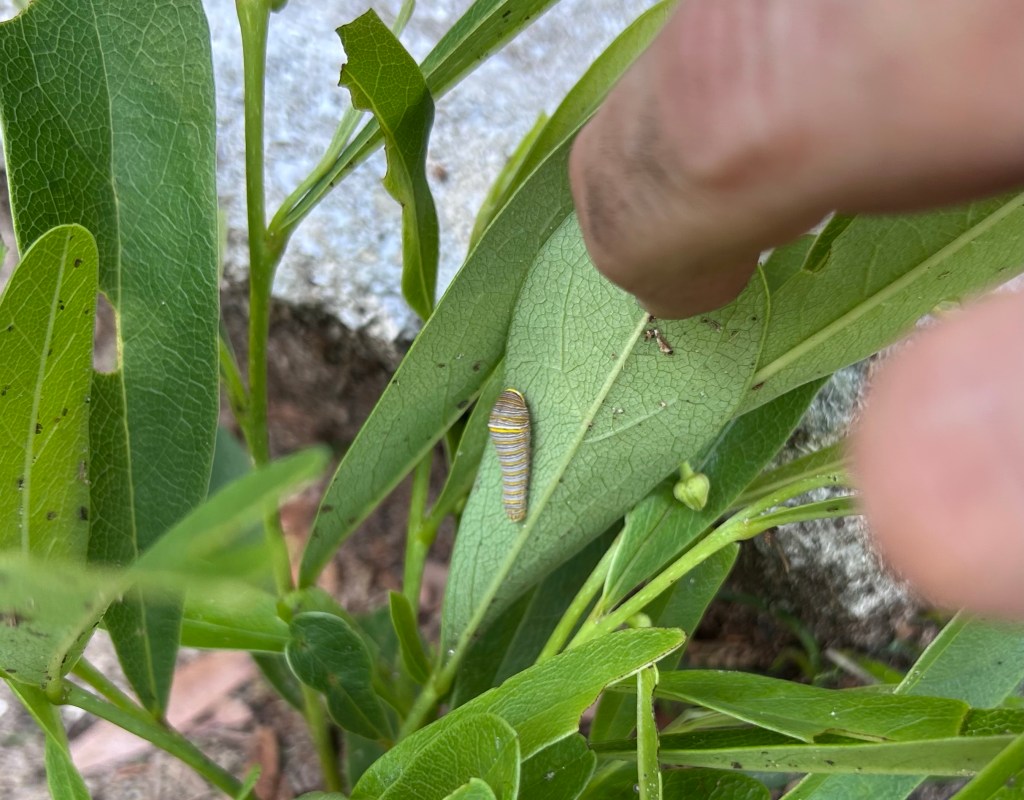
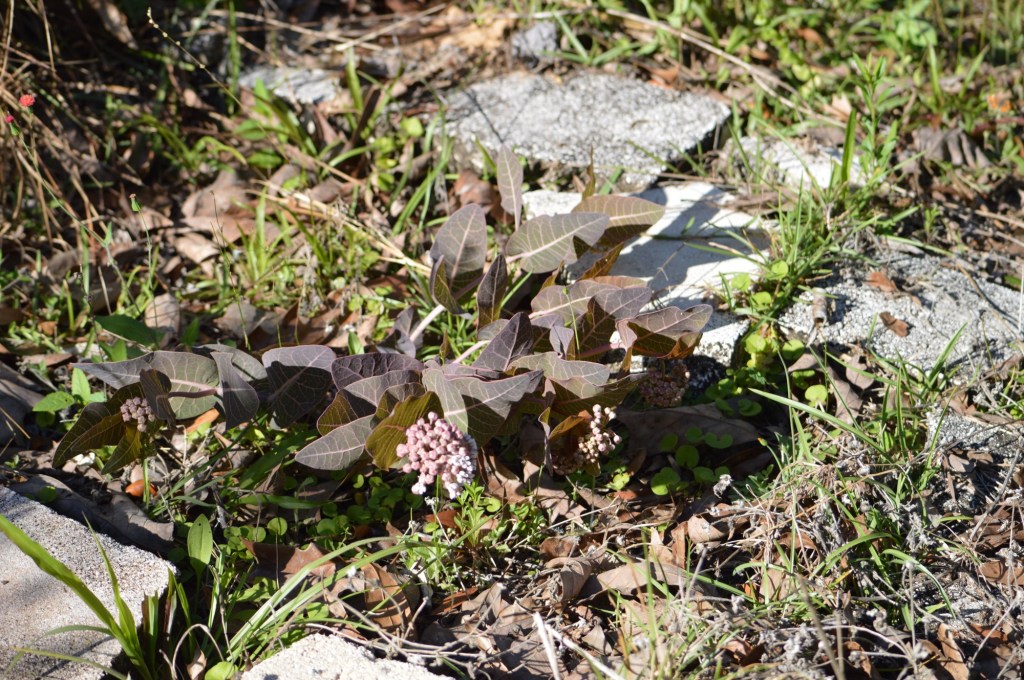
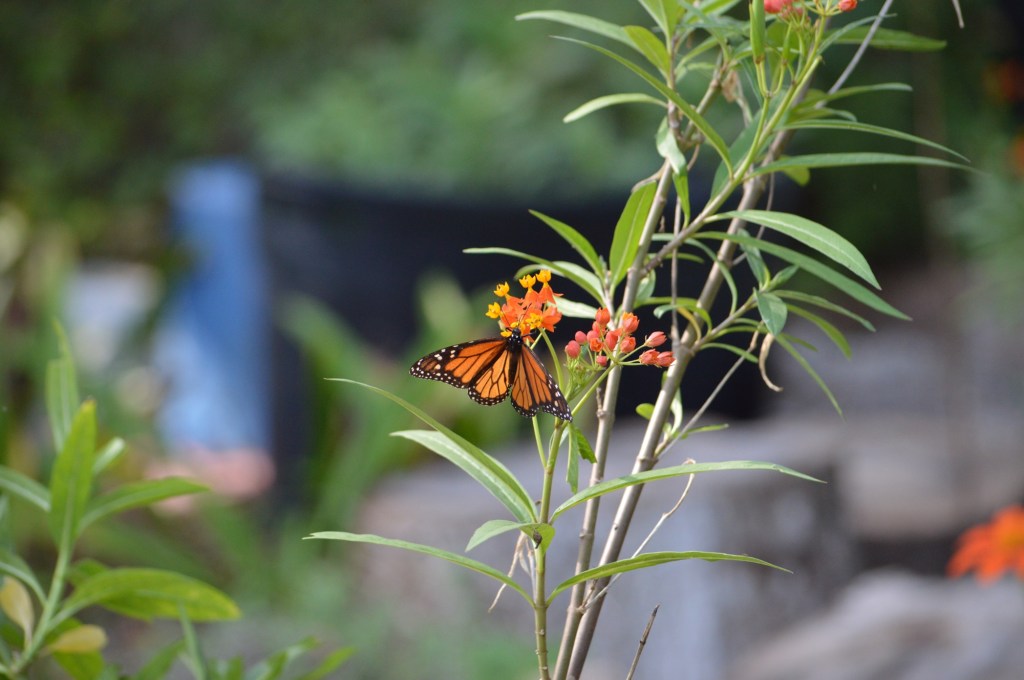
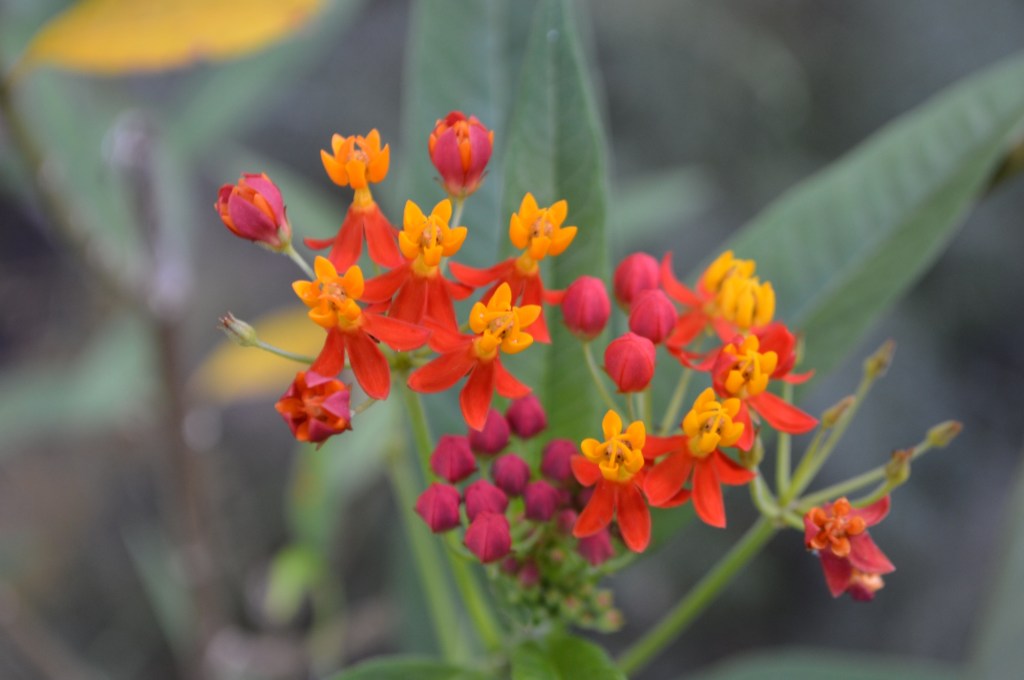
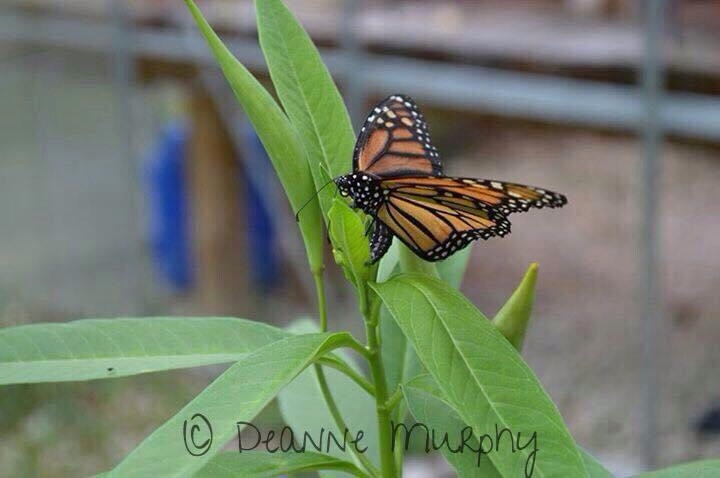
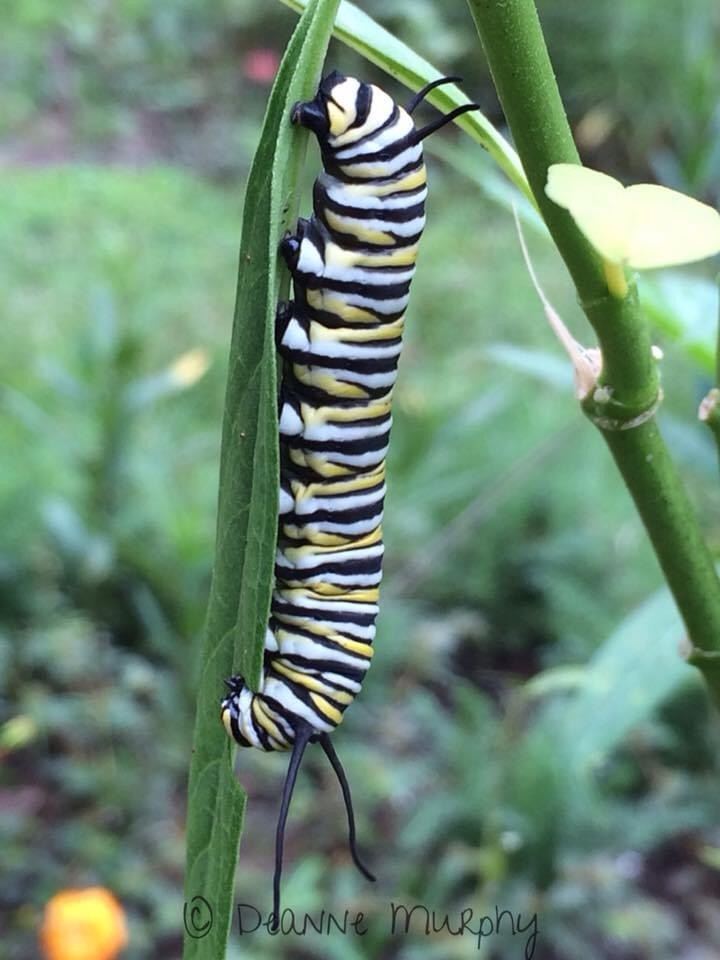
Monarch caterpillars require the host plant, Asclepius, which is a genus of herbaceous, perennial, flowering plants known as milkweed. There are many varieties of milkweed, depending on the region.
At the butterfly dunes habitat, here in Central Florida, Monarch butterflies live here most of the year. It’s possible that some migrate North in the spring and in the fall, the habitat receives some migrants flying south. Scientists suggest that many butterflies overwinter in Florida, and this has been observed at the Butterfly Dunes.
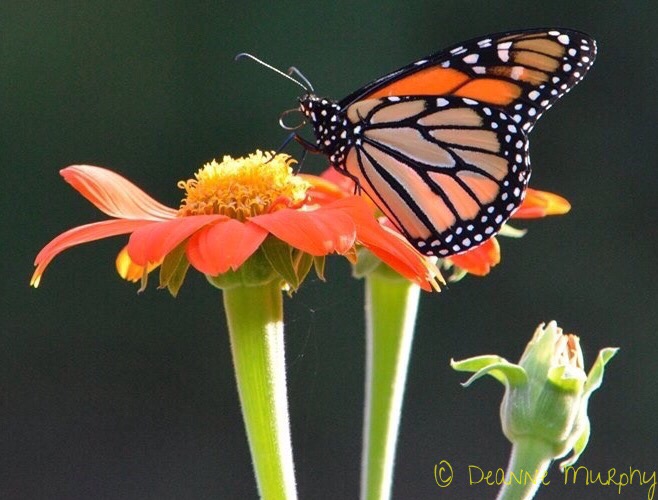
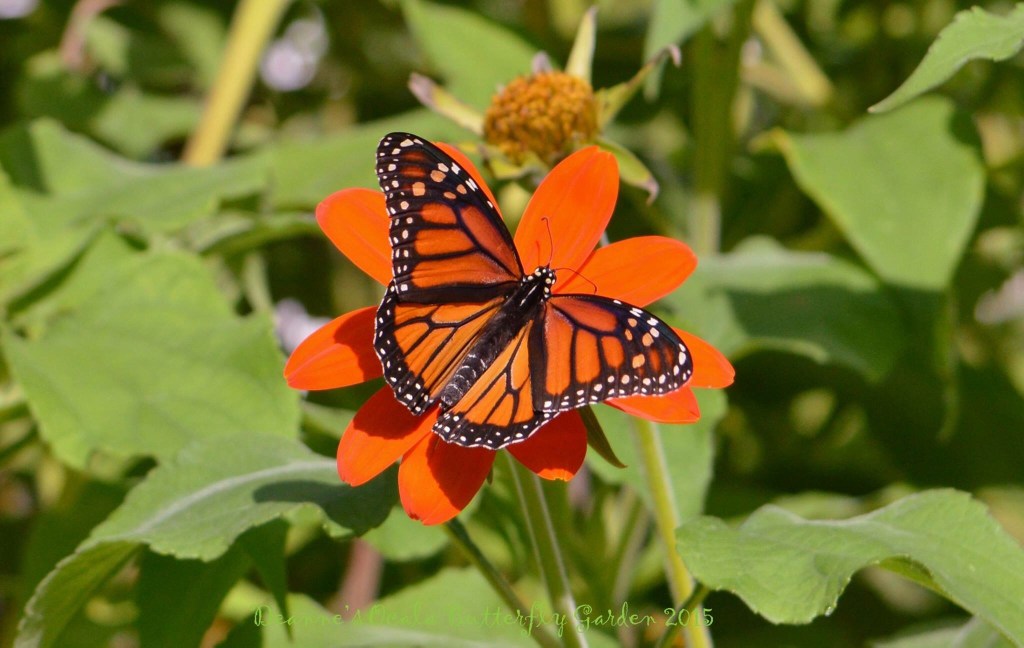
Monarch on Tithonia, also called Mexican Sunflower. This flower re-seeds itself continually through-out the growing season.
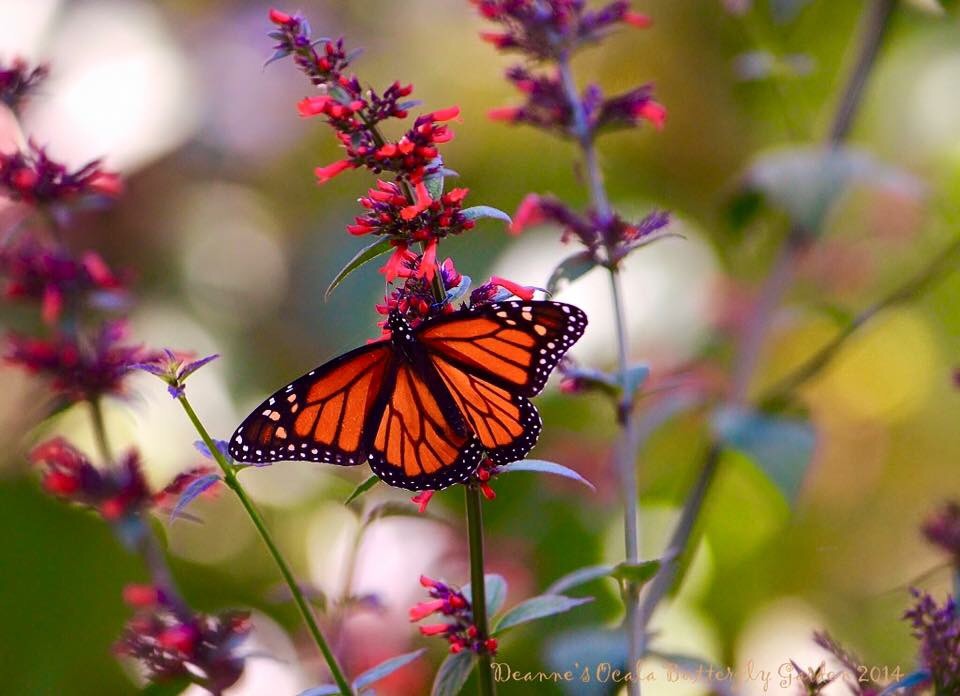
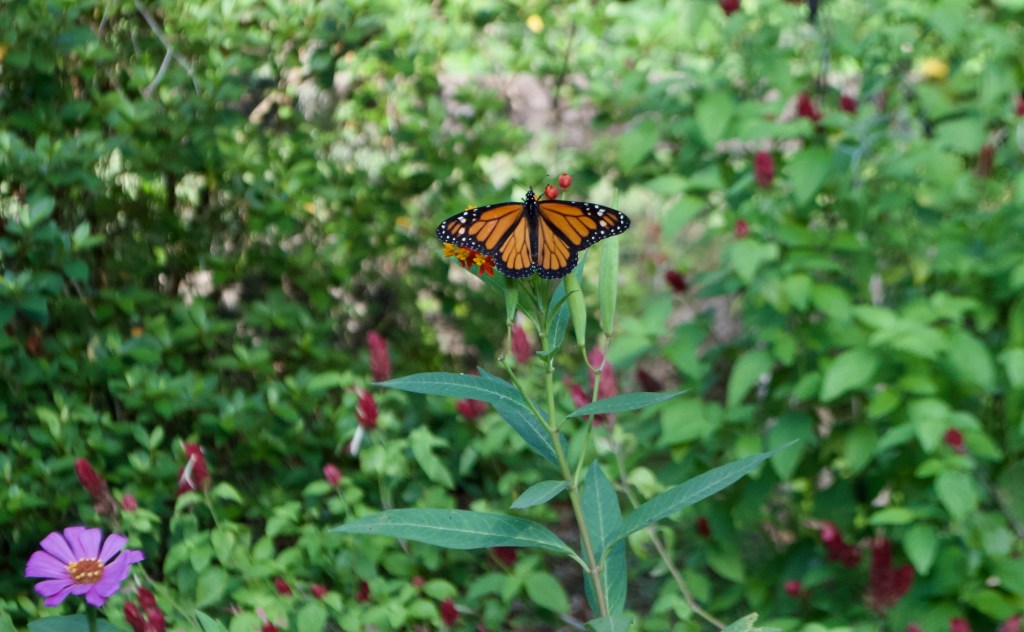
Monarch on Firecracker plant, Russelia sarmentosa.
Monarch larval host plants
More Information on the Monarch Butterfly.
Monarch Watch, https://www.monarchwatch.org
Journey North, https://journeynorth.org
U.S. Fish and Wildlife Service, https://fws.gov/pollinators
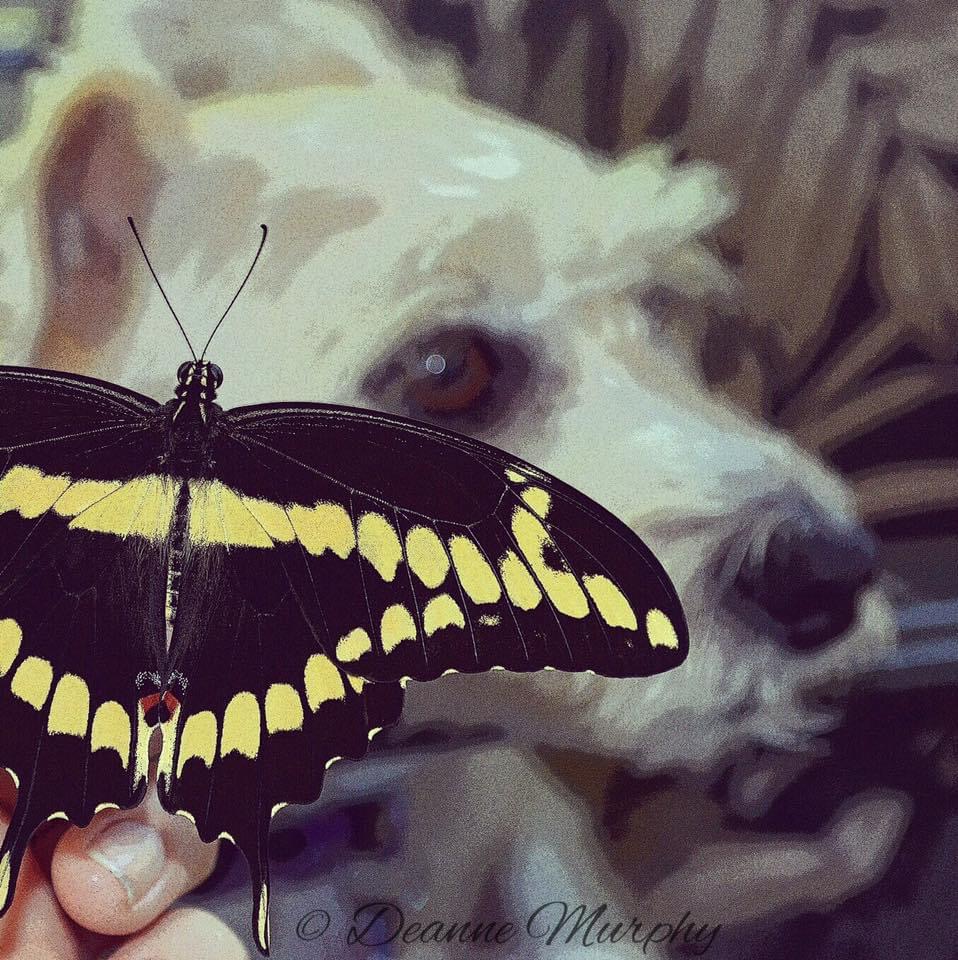
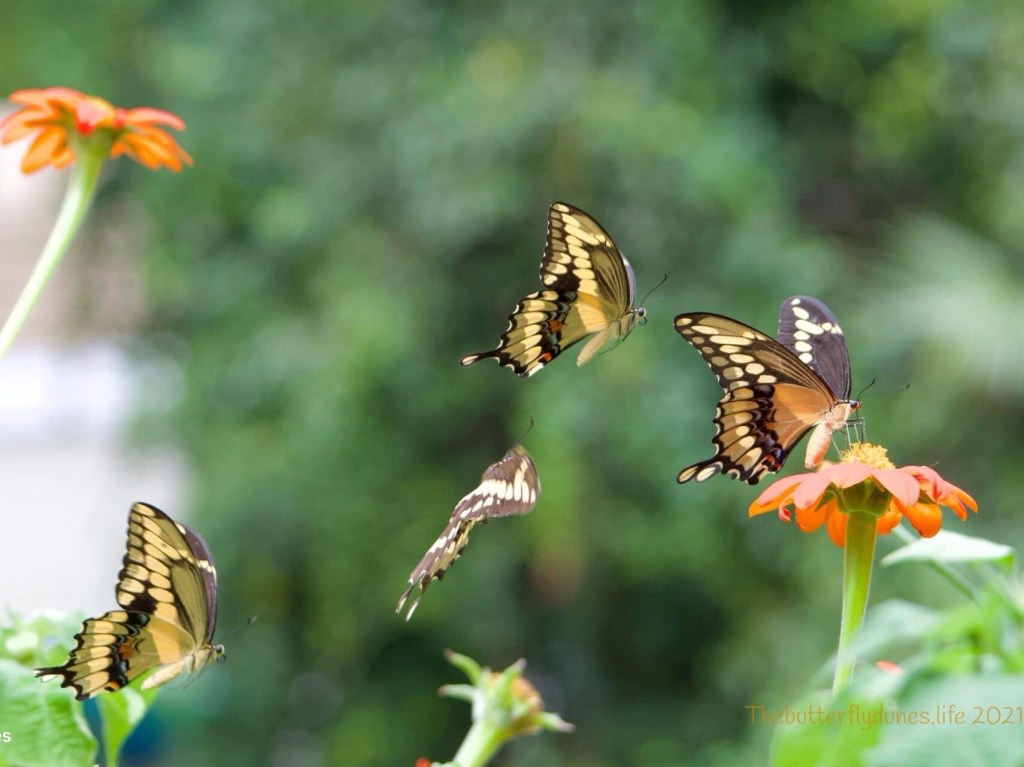
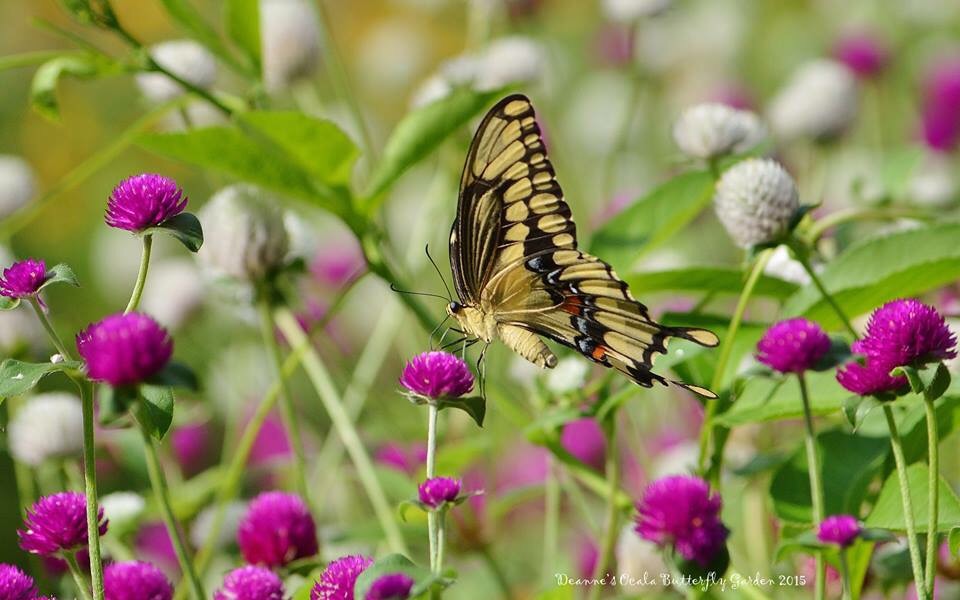
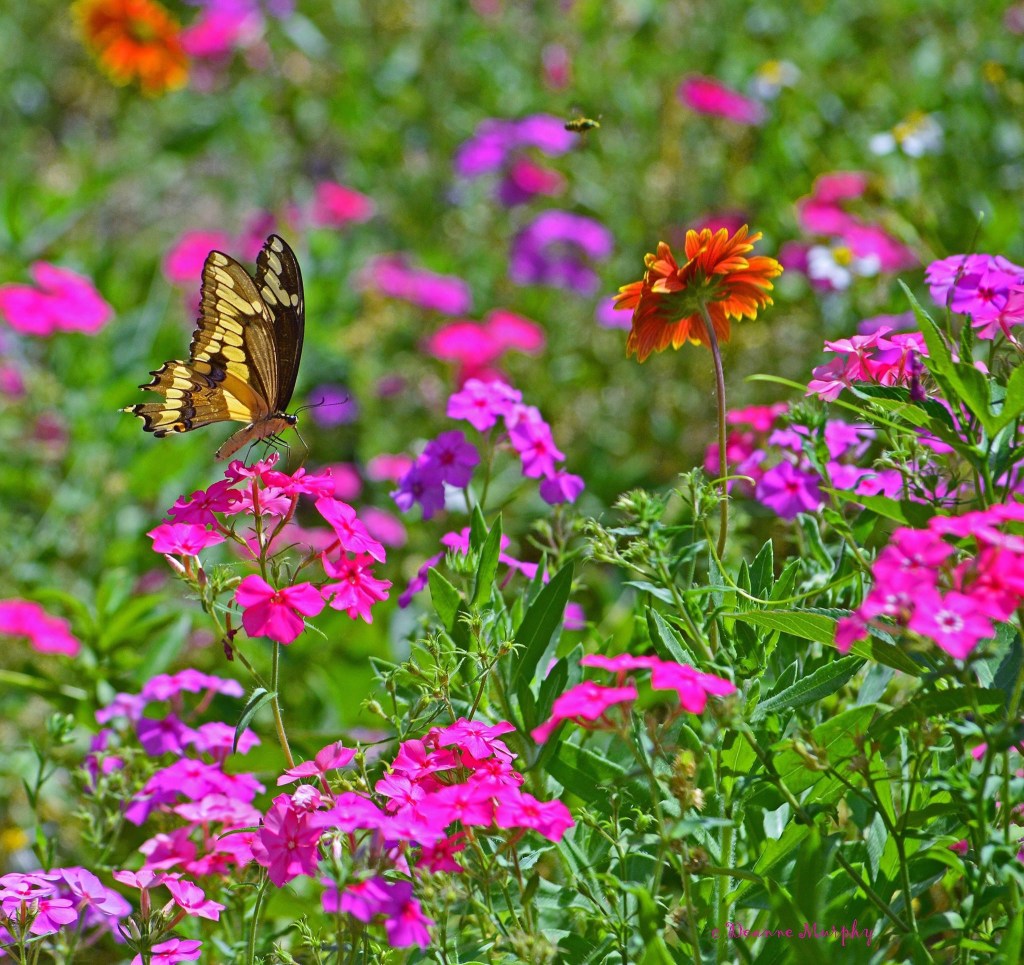
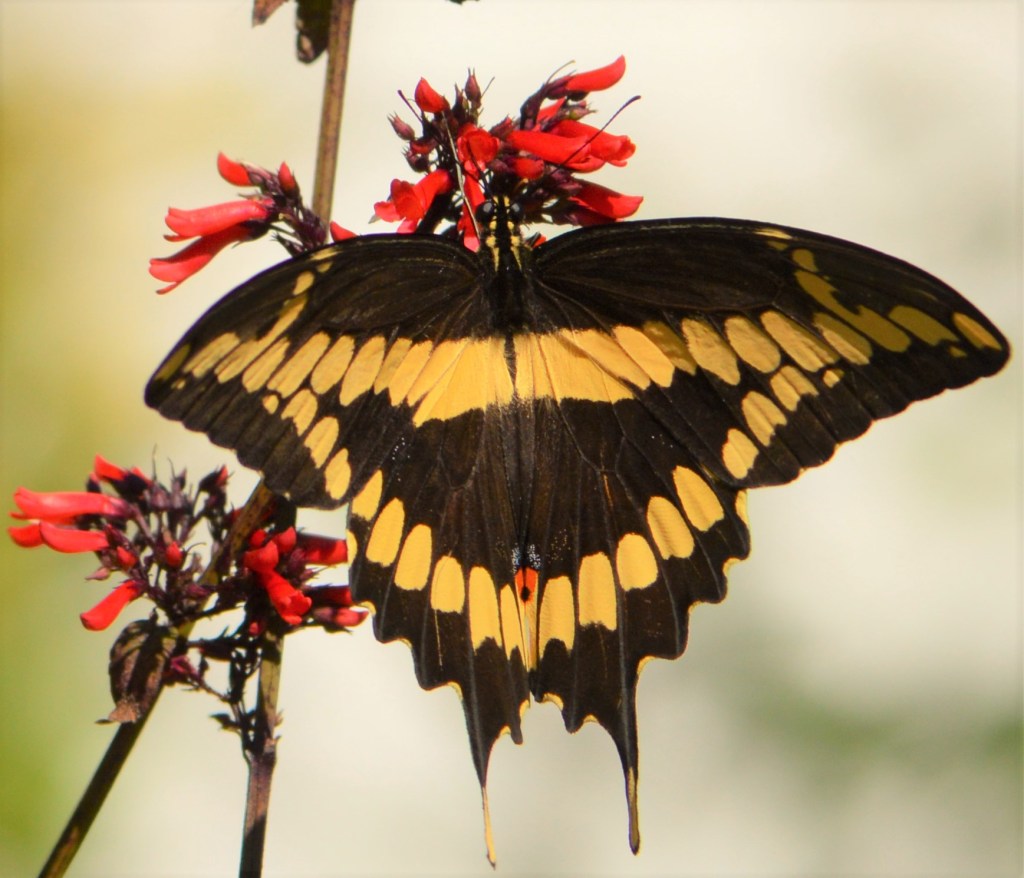
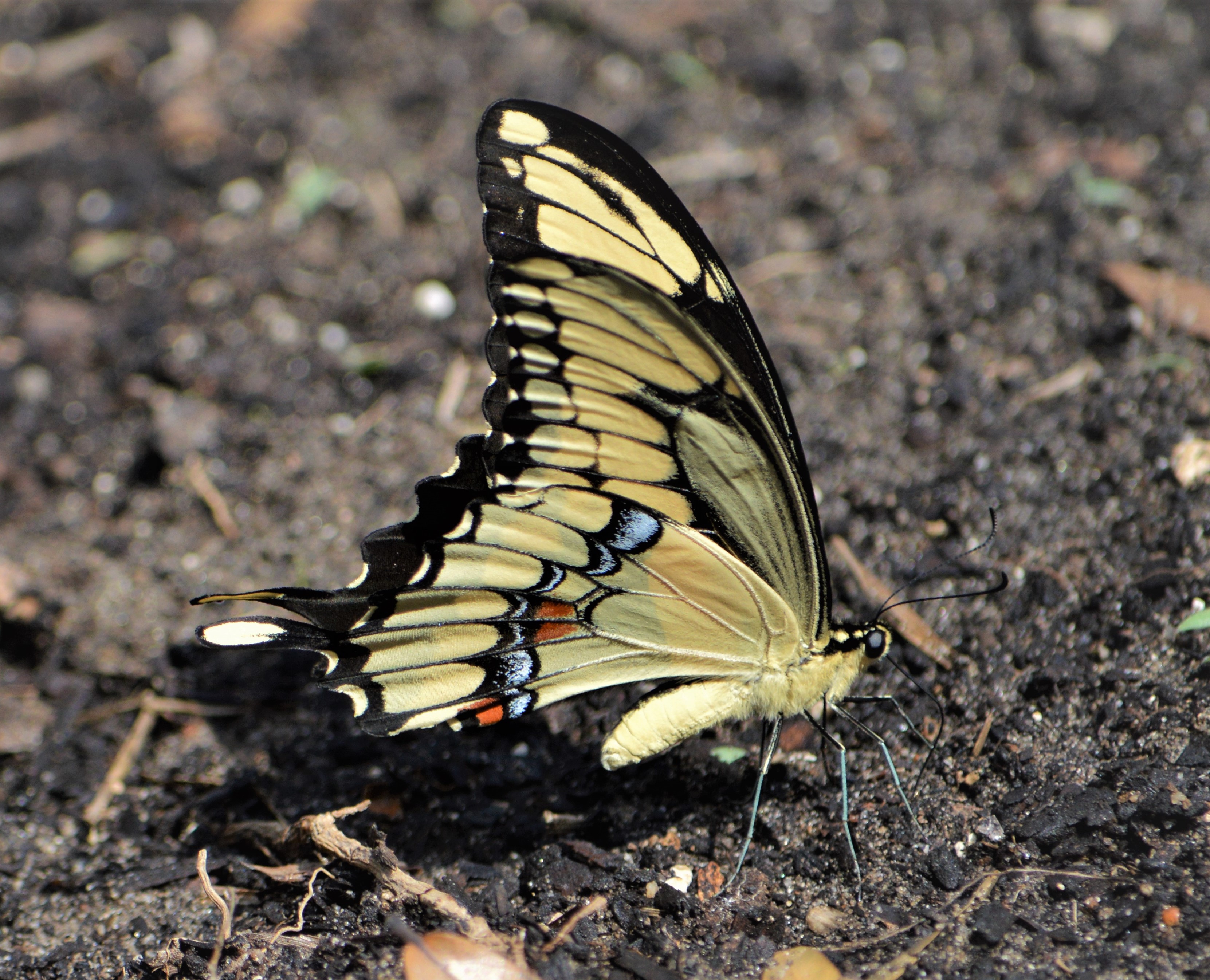
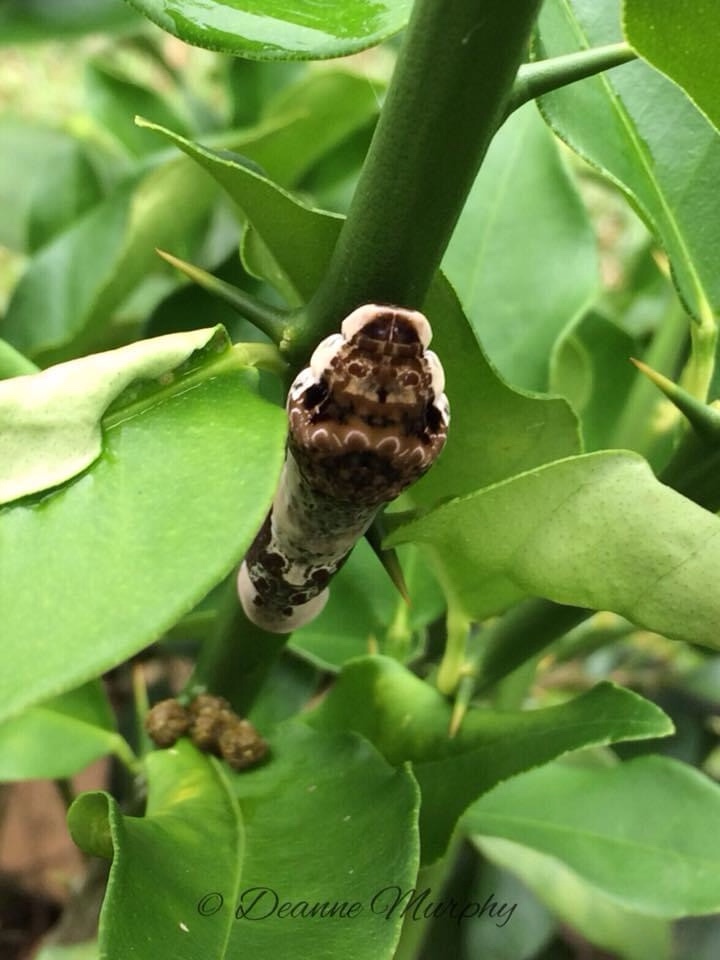
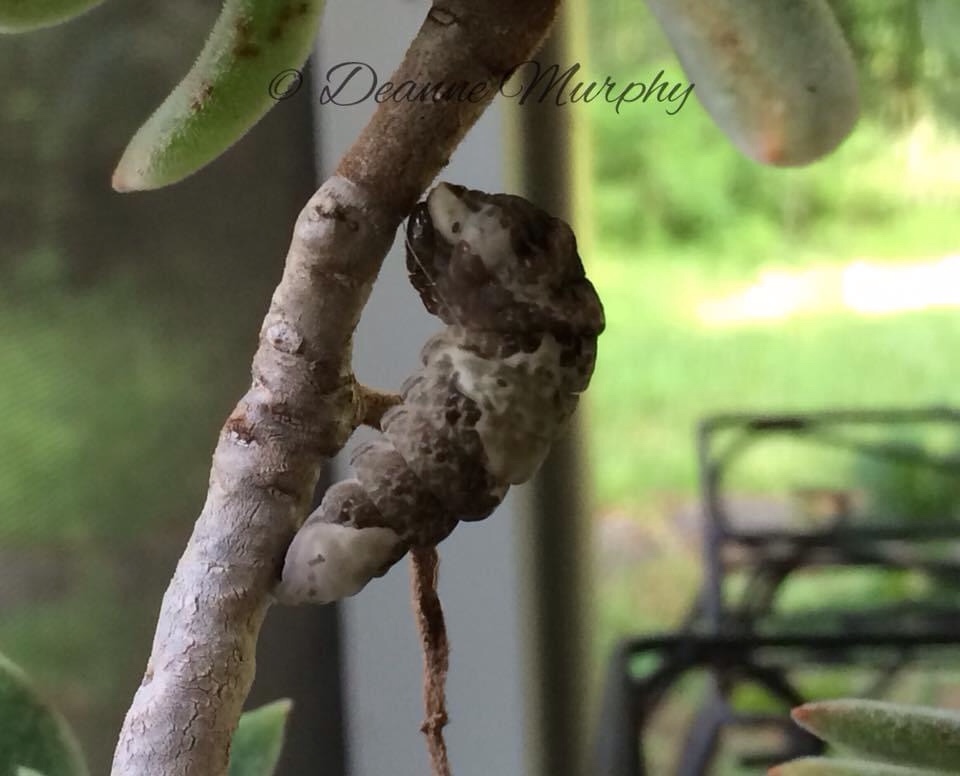
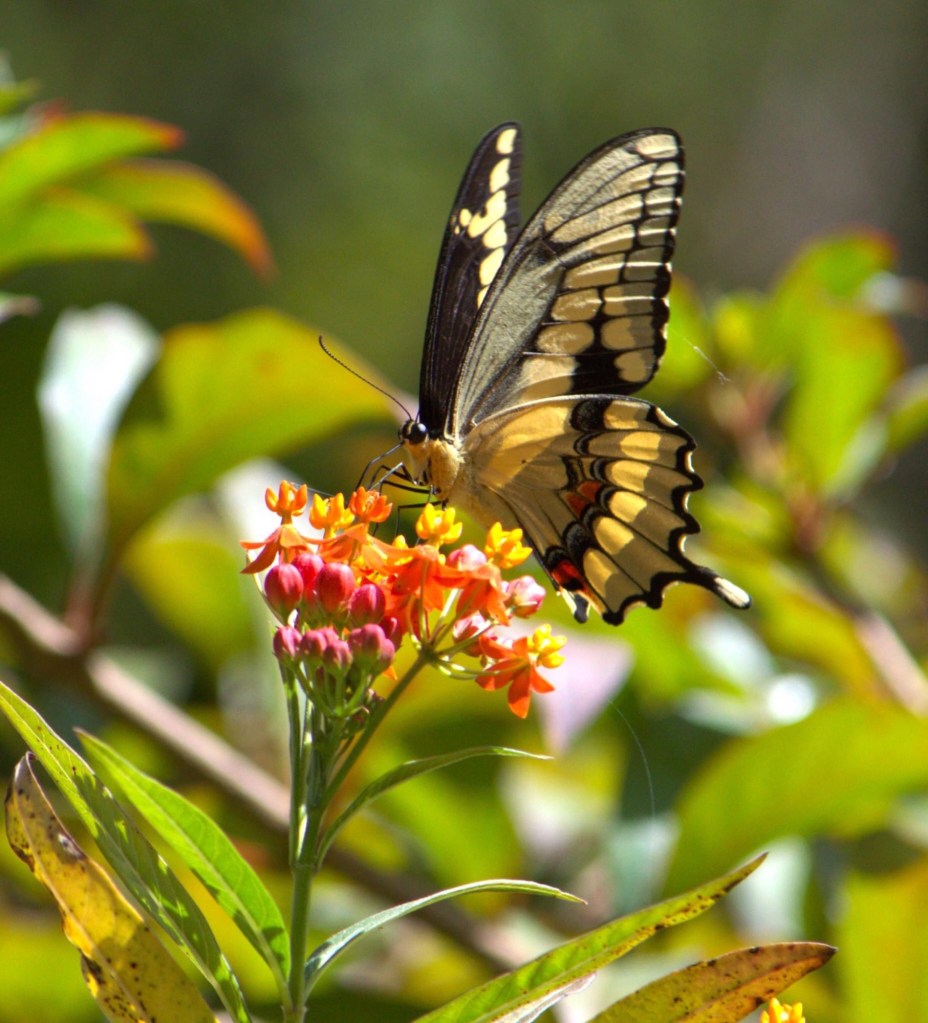
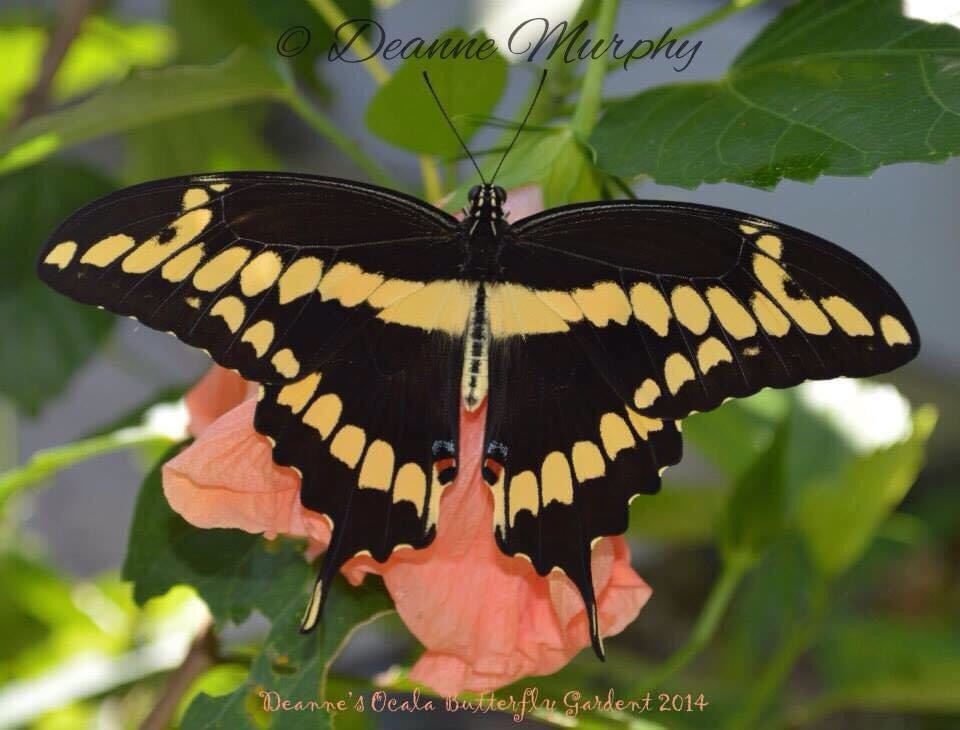
Papilio cresphontes
“We are like butterflies who flutter for a day and think it is forever.” ― Carl Sagan, “Cosmos”